
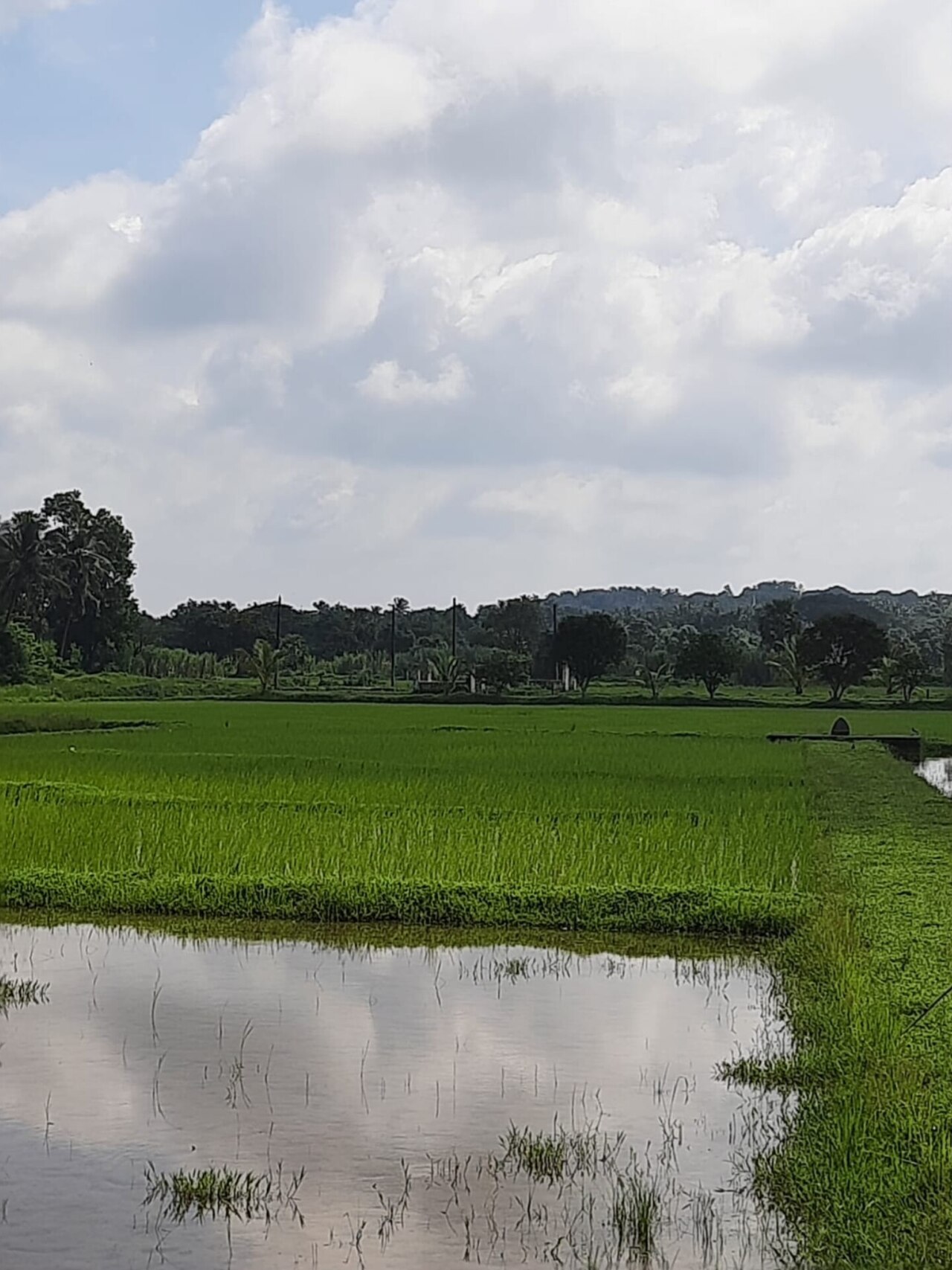
Efforts to cut methane from farming are being held back by a lack of scalable solutions, Hayden Montgomery, agriculture programme director at the Global Methane Hub, told AgNavigator. He rejects the common view that the tools already exist and only need adopting: "If you look at the evidence behind them and the applicability of the different systems, it just doesn't get us where we need to get to."
Rice shows the problem. Alternate wetting and drying (AWD), studied and promoted for more than 30 years, does reduce methane when fields are drained, said Woo Wei Li, the hub's senior programme officer for agriculture. But uneven fields, irrigation constraints and rain that makes draining impossible keep farmers from following the protocol. Studies of biochar and other measures are promising, she said, but too small and fragmented to support nationwide plans.
Montgomery said the central barrier is that methane has no market value. A farmer who applies a soil compound or gives an animal a feed additive to reduce methane gains no productivity and pays for it. Without a price signal from consumers, companies or governments, he said, adoption will stay limited; where signals exist they are narrow, tied to carbon markets and pilot projects.
The comments came as the hub launched a strategy to halve methane from rice farming by 2040. It sets five research priorities for its $100 million Rice Methane Innovation Accelerator, launched last year: agronomic practices, soil amendments, plant genetics, methane-reducing agents and measurement tools.
"No single practice will get us to 50% reductions," Montgomery said, so the work will develop and test solutions from several fields and show how they can be stacked to stay practical and affordable without hurting harvests. Some, such as site-specific crop nutrition advice, can move quickly because much of the knowledge already exists, but he stressed scientific rigour: farmers' livelihoods cannot be gambled on solutions that are not real.
The rice plan copies the hub's Enteric Fermentation Accelerator for livestock, which has raised over $200 million and put more than $120 million into research. For rice-growing countries in South Asia, where flooded paddies are a large methane source, the strategy's focus on practices that fit real fields is the part to watch.
Photo: Prathvi Acharya / Wikimedia Commons (CC BY 4.0)
Source: AgNavigator

Comments
(0)