
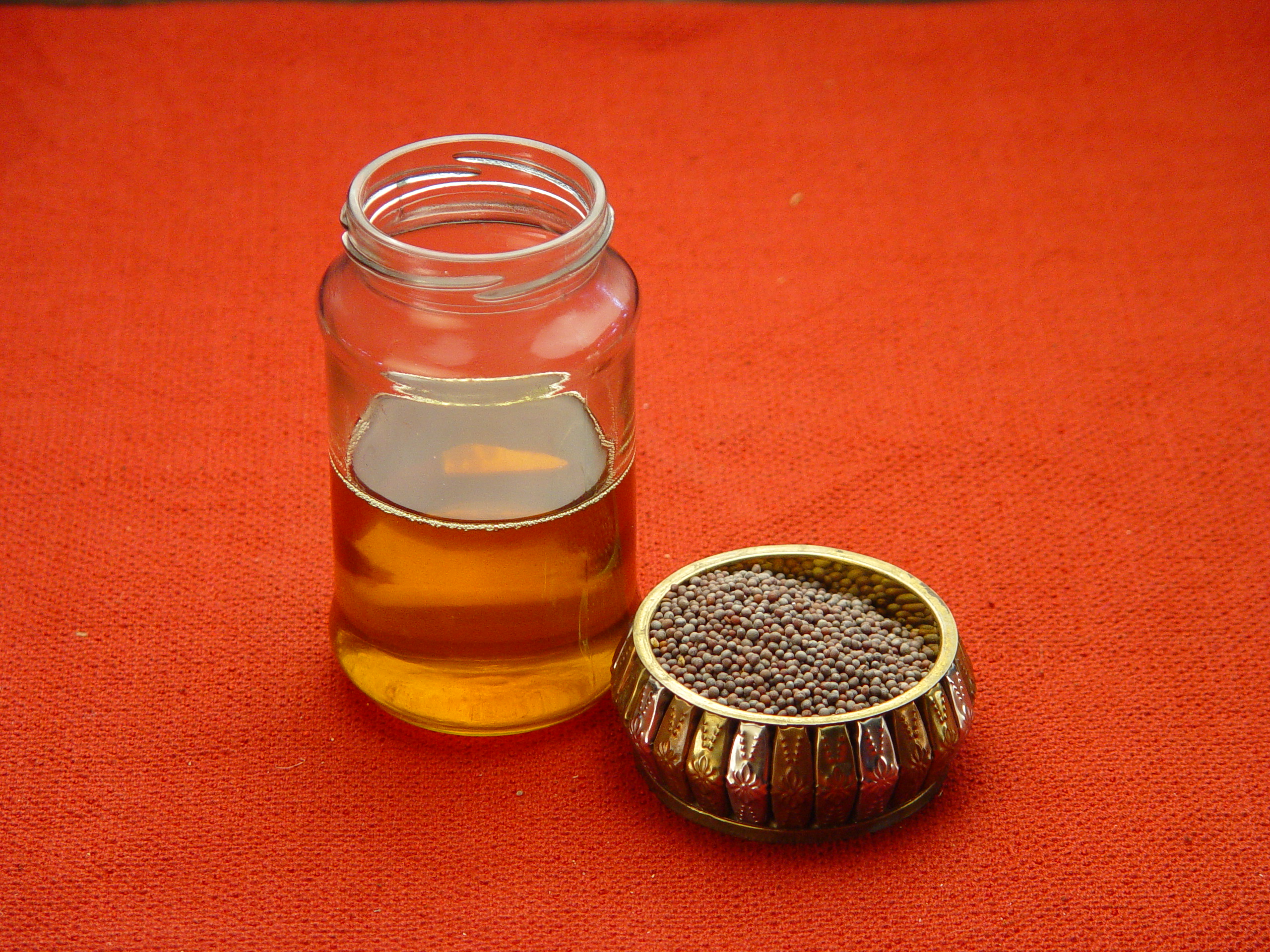
On 30 May 2026 BBC News Bangla asked nutritionists whether it is better to cook with ghee and butter or with soybean and mustard oil. Professor Md Sayedul Arefin, director of the Institute of Nutrition and Food Science at the University of Dhaka, said plant fat is far better than animal fat, though animal fat can be eaten in moderation.
The report came as social media videos showed some doctors advising people to swap soybean and mustard oil for butter or ghee, calling the animal fat more beneficial. At Eid-ul-Azha many also reason that a little extra beef or goat meat on one day does no harm. Red meat is the meat of mammals such as cattle, buffalo and goats.
What the nutritionists said
Professor Arefin told BBC Bangla: "In a word, plant fat is always far better than animal fat. Animal fat also has to be eaten, but in moderation. All the research done so far proves this."
He explained that animal fat is high in saturated fat, which is bad for the body and can be taken only in very small amounts. Plant fats are richer in unsaturated fat, which comes in two kinds. He rated monounsaturated fat the best, naming olive oil, almonds and peanuts as excellent sources, and said the polyunsaturated fat in sunflower oil and sea fish helps lower "bad" cholesterol in the blood.
Nutritionists said the harm depends on how much animal fat a person eats. Eating more red meat than a moderate amount raises the chance of various health problems. At the same time, they said, red meat cut into small pieces with the fat removed can be a good source of daily protein, and lean red meat is nutritious for children, adolescents, young people and pregnant women.
Why the body needs fat
Fat comes from plants as well as animals, and the body needs it. The UK National Health Service (NHS) explains that vitamins A, D and E are fat-soluble, so the body can only absorb them with the help of fat. In Professor Arefin's words, "fat is the source of essential fatty acids, which the body cannot make on its own."
According to the NHS, a gram of fat, saturated or unsaturated, provides 9 kcal of energy, against 4 kcal for a gram of carbohydrate or protein.
Which foods carry which fats, and how much is advised
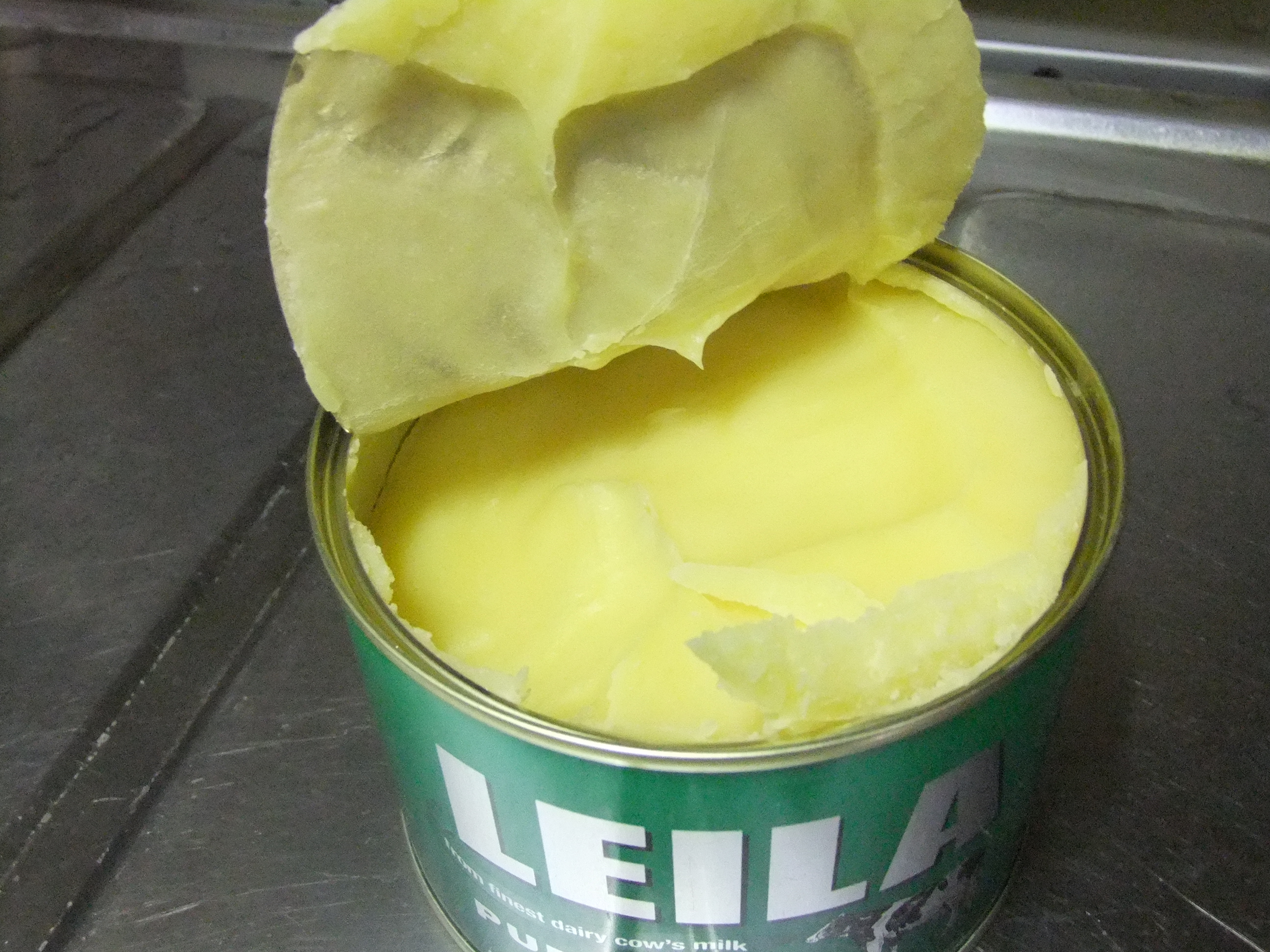
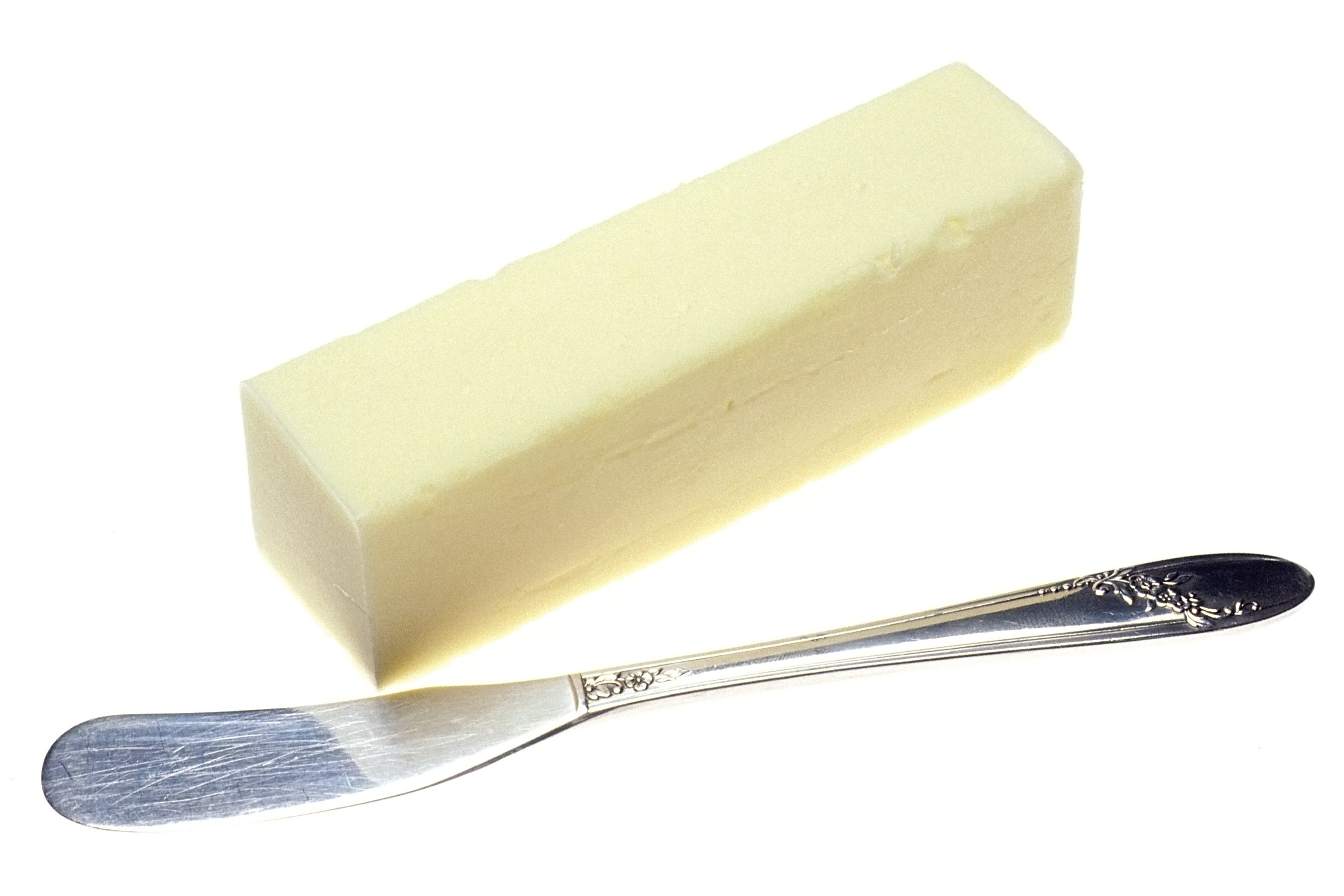
In its healthy diet fact sheet, the World Health Organization (WHO) advises that fat should provide no more than 30% of total daily energy, with no more than 10% from saturated fat and no more than 1% from trans fat. The WHO lists fatty meat, butter, ghee, cheese, cream, lard, and palm and coconut oil as sources of saturated fat, and fish, avocado, nuts, and sunflower, soybean, canola and olive oils as sources of unsaturated fat.
So not every plant oil is alike: the NHS also notes that palm and coconut oil are high in saturated fat. NHS guidance says men should not eat more than 30g of saturated fat a day and women no more than 20g, and adults should have no more than about 5g of trans fat a day. The BBC report added that too much saturated fat raises blood cholesterol, which can increase the risk of heart disease and stroke.
What a large study found
The BBC report cited an analysis of the National Institutes of Health-AARP Diet and Health Study in the United States, published in JAMA Internal Medicine in October 2024. Following 407,531 men and women from 1995 to 2019, researchers found that people who ate more plant fat, particularly fat from grains and vegetable oils, had a lower risk of death overall and from cardiovascular disease. A higher intake of animal fat, including fat from dairy foods and eggs, was linked with a higher risk.
The researchers themselves described the link between plant fat and lower risk as consistent but small. The nutritionists' advice was about amount and source, not cutting fat out: keep animal fat moderate and favour unsaturated plant fat.

Photo: Biswarup Ganguly / Wikimedia Commons (CC BY 3.0)
Sources: BBC Bangla, World Health Organization, UK National Health Service (NHS), JAMA Internal Medicine (PubMed)



Comments
(0)