
The Government of Ghana has launched its AgriConnect Compact, a national framework meant to strengthen food security, create jobs, cut food imports and pull investment into priority agricultural value chains, with support from the World Bank Group and other development partners.
The Compact sets out a coordinated agenda for public and private action: raising productivity, expanding value addition, improving access to markets and finance, and strengthening resilience across the country's agri-food system. It prioritises cocoa, oil palm, rice, maize and poultry while supporting other strategic crops.
The first phase runs from 2026 to 2030 and aims to improve food and nutrition security for an estimated 2.99 million people and to support more than 2.6 million jobs by 2035. Financing needs for that phase are put at about $3.5 billion, expected from a mix of public and private sources.
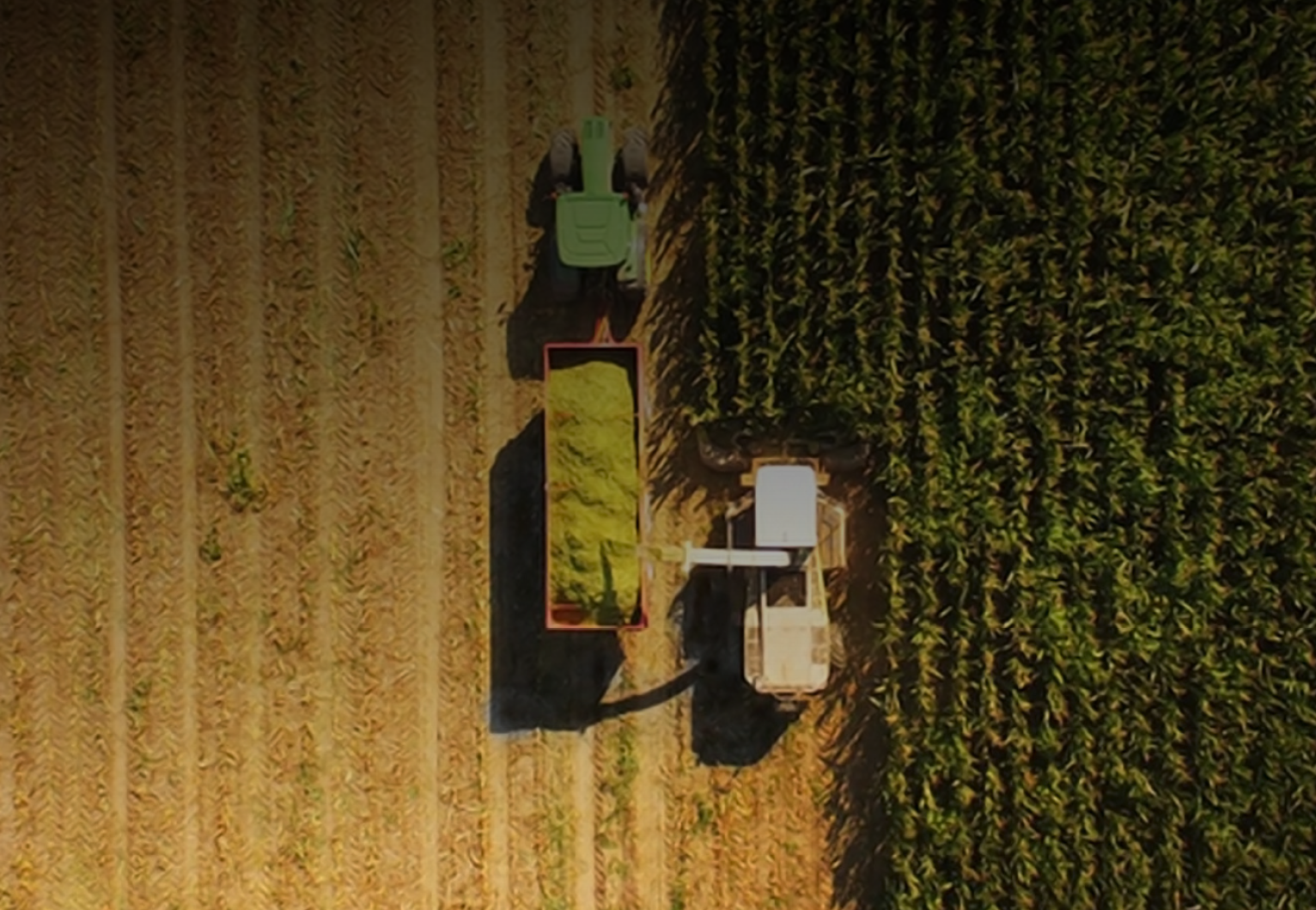
The practical focus is on the parts of the chain that usually break first: irrigation, seed systems, mechanisation, farmer services, agro-processing and logistics — so that more food is grown, processed and sold inside Ghana rather than leaving as raw produce.
"Ghana's AgriConnect Compact is a bold step toward building a more productive, resilient, and jobs-rich food system," a World Bank Group representative said at the launch. "By linking policy reform with investment and delivery, Ghana is creating the conditions to strengthen food security, support farmers and agribusinesses, and unlock private capital."
A government representative put the ambition in plainer terms: "AgriConnect is about turning Ghana's agricultural potential into tangible results: more food on the table, more jobs for young people, and more value created here at home."
What distinguishes a compact from a strategy, on the Bank's account, is that it brings policy reforms, targeted investments and delivery mechanisms under one national framework, with the coordination and monitoring that usually decide whether such plans survive contact with a planting season.
Source: World Bank
Comments
(0)