
Public and private investment must tackle the financial barriers that keep women from benefiting from digital technology and artificial intelligence in farming, Shobha Shetty, head of the Global Agriculture and Food Security Program (GAFSP), told SciDev.Net's Ruth Douglas in an interview.
Shetty, a senior agricultural adviser at the World Bank, which hosts the programme, said women are too often treated as numbers when it comes to digital access. "We need to look at what we have to do to ensure that investments in digital agriculture really benefit more women, rather than just talking about how many women we reached," she said, speaking ahead of an event at FAO headquarters in Rome on 15 October, on the sidelines of the World Food Forum.
She cited a World Bank Africa Gender Innovation Lab experiment in Ethiopia that scored women entrepreneurs for loans with psychometric tests instead of collateral: over three years 89 percent of women offered the product borrowed formally, against 42 percent in a comparison group. In Uganda, women who received loans through mobile money accounts earned 15 percent higher profits than those paid in cash, because they had more control over the money.
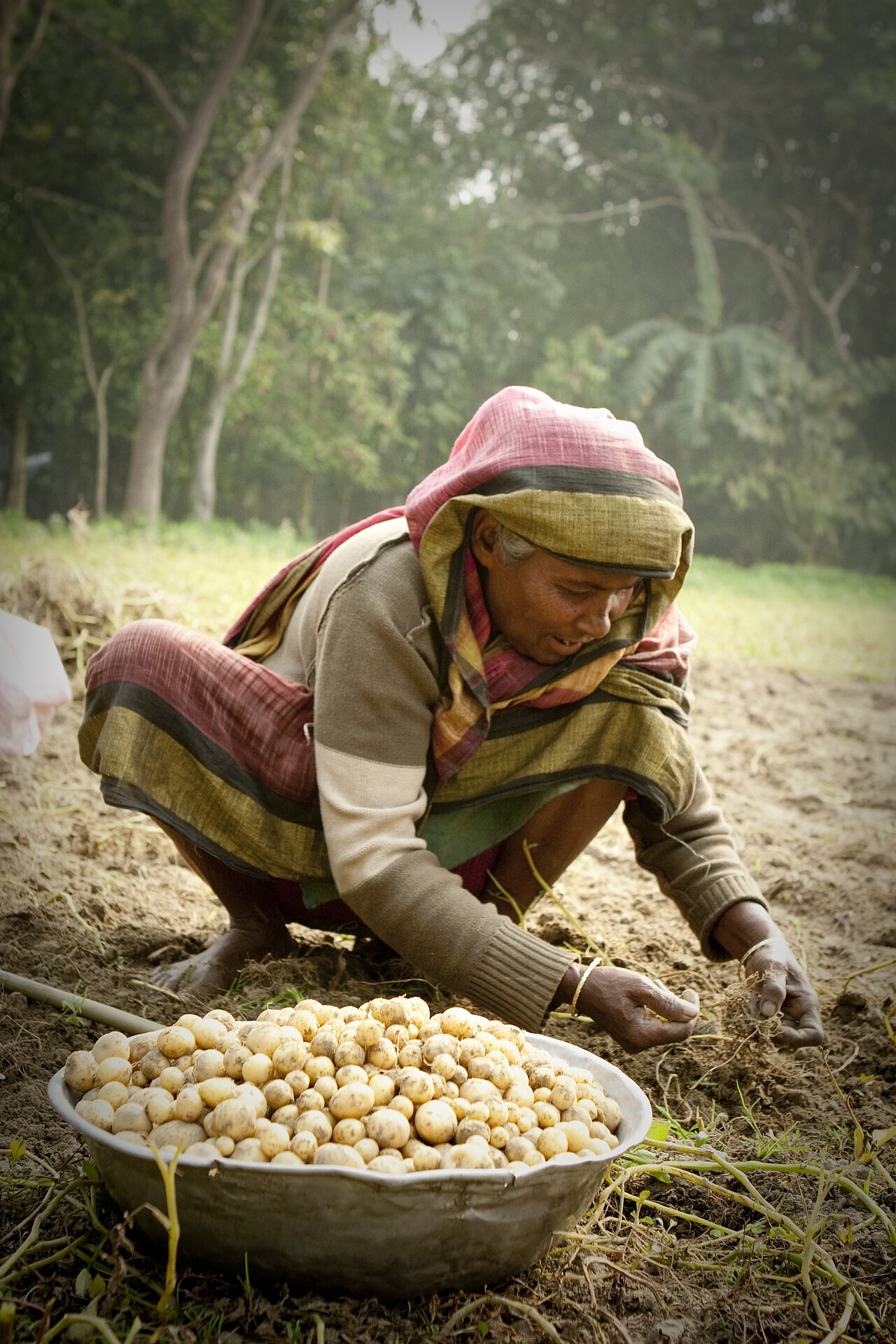
For finance to work for women, she argued, it must join better information with affordable products, repayments that match farm income and payment channels women control. She pointed to a GAFSP-supported project in Bangladesh where members of a local potato cooperative use FAO's RuralInvest digital tool for accounts and investment plans; women there have taken charge of the cooperative's books, strengthening their position and opening new job prospects.
Since 2010 GAFSP has invested nearly US$2.5 billion in more than 300 projects in low-income countries. Its new Business Investment Financing Track has made initial investments of US$14 million with the African Development Bank, which it hopes will catalyse up to US$200 million in lending in Ethiopia, Uganda, Tanzania, Malawi and Zambia, plus US$6 million towards a US$21 million package for smallholders in Rwanda. After "brutal" aid cuts, Shetty said, mobilising private and public capital is critical.
Photo: Hridoye Mati O Manush / Wikimedia Commons (CC BY 2.0)
Source: SciDev.Net


Comments
(0)