
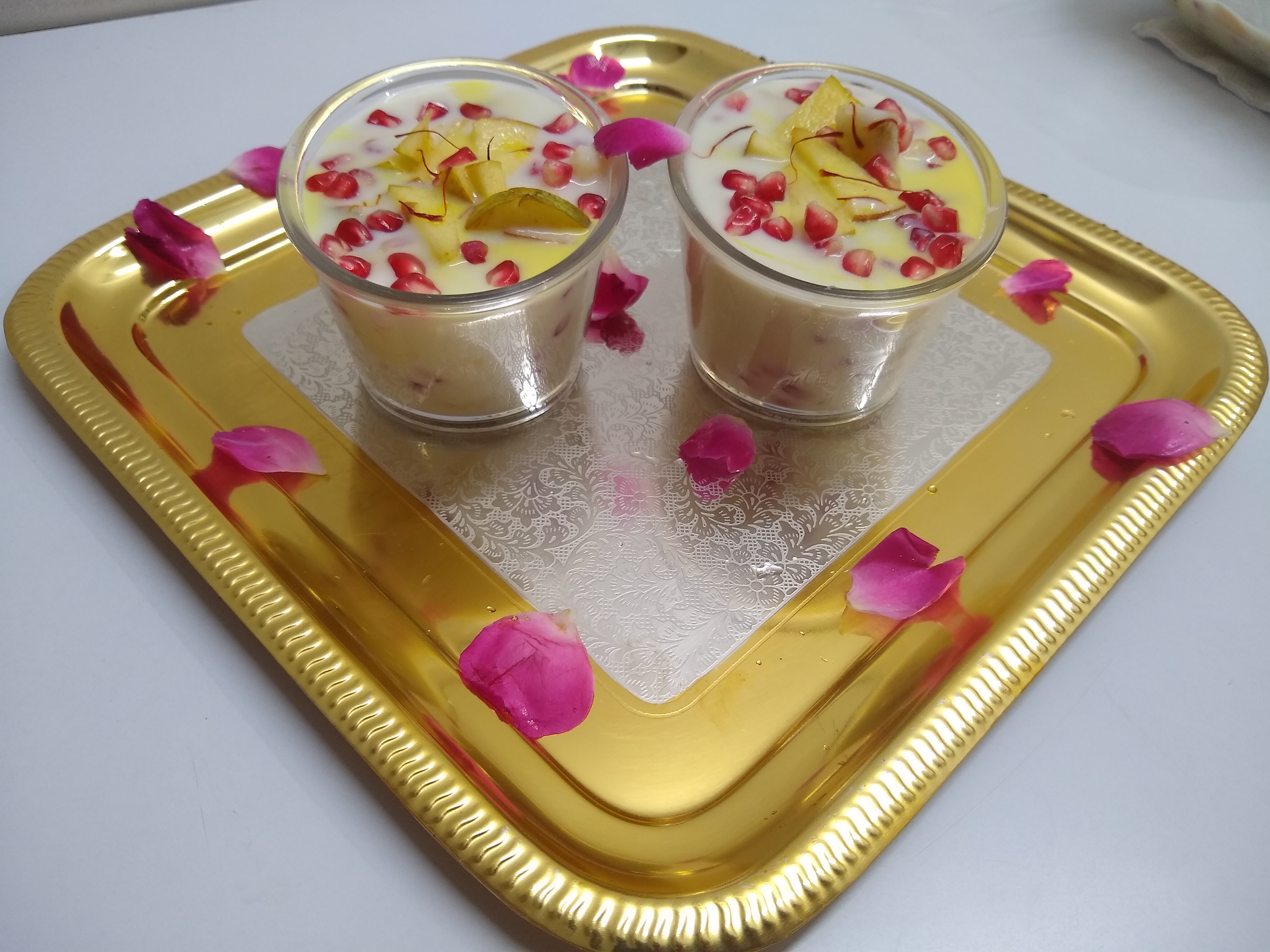
For something cold at teatime in the summer heat, fruit custard is easy to make at home. Jagonews24 published this simple recipe on 27 April 2025. It needs milk, powdered milk, sugar, a few whole spices, custard powder and whatever fruit is in season. Once cooked, the custard sets after 30 minutes in the fridge and is served with fruit and ice cream.
What custard powder is
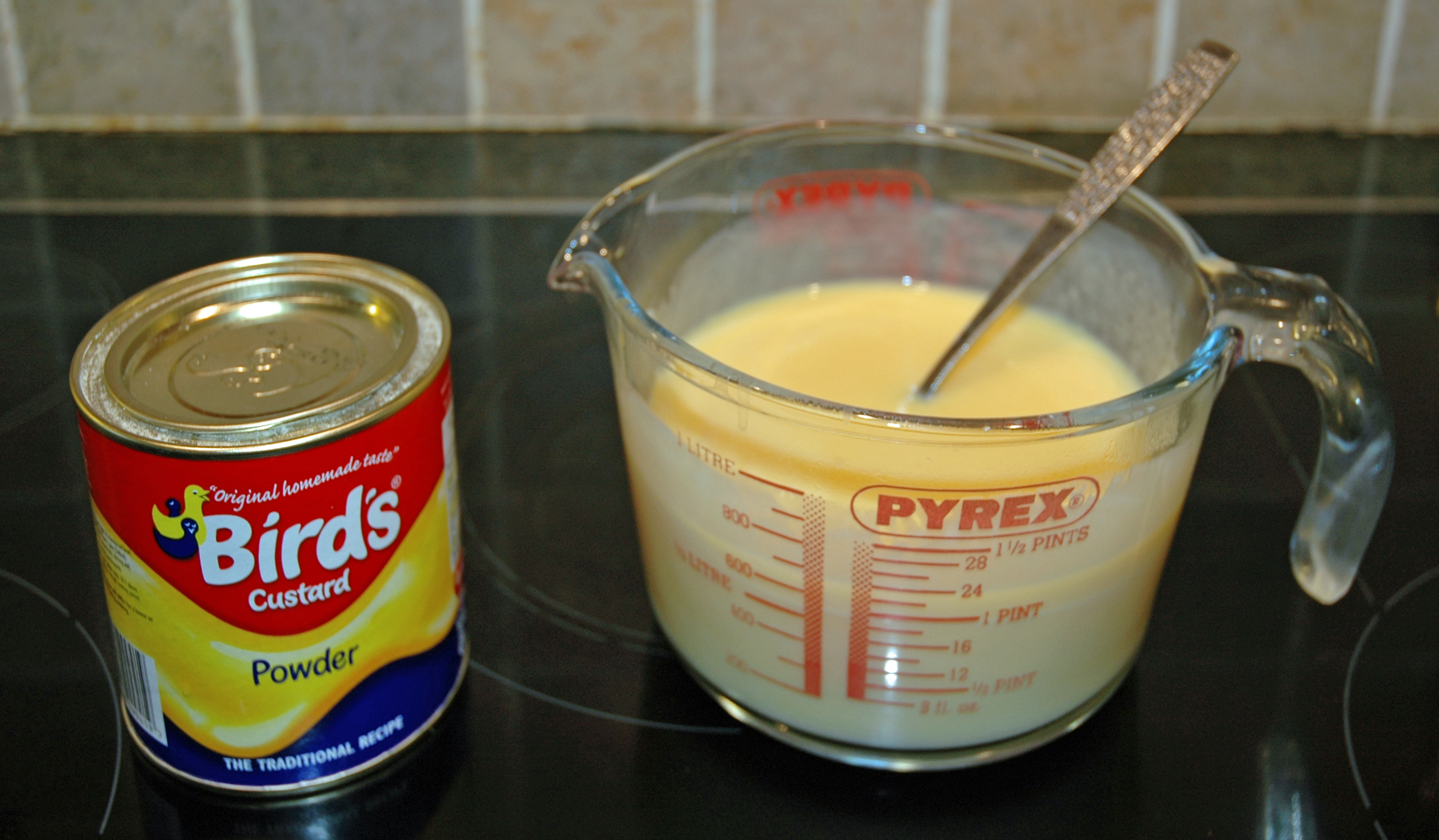
Classic custard is sweetened milk or cream thickened by cooking it with egg or egg yolk. In custard powder, cornflour does the thickening instead. Custard powder is made from cornflour, salt, flavouring and colouring, and some brands also contain egg. Mixed into milk and heated, it thickens into a custard-like sauce.
Alfred Bird, a chemist in Birmingham, England, created the first custard powder in his shop in 1837. His wife was allergic to eggs, and he wanted a custard she could eat. The product is still sold today as Bird's Custard.
Ingredients
- Milk: 1 kg
- Powdered milk: 1 cup
- Sugar: half a cup
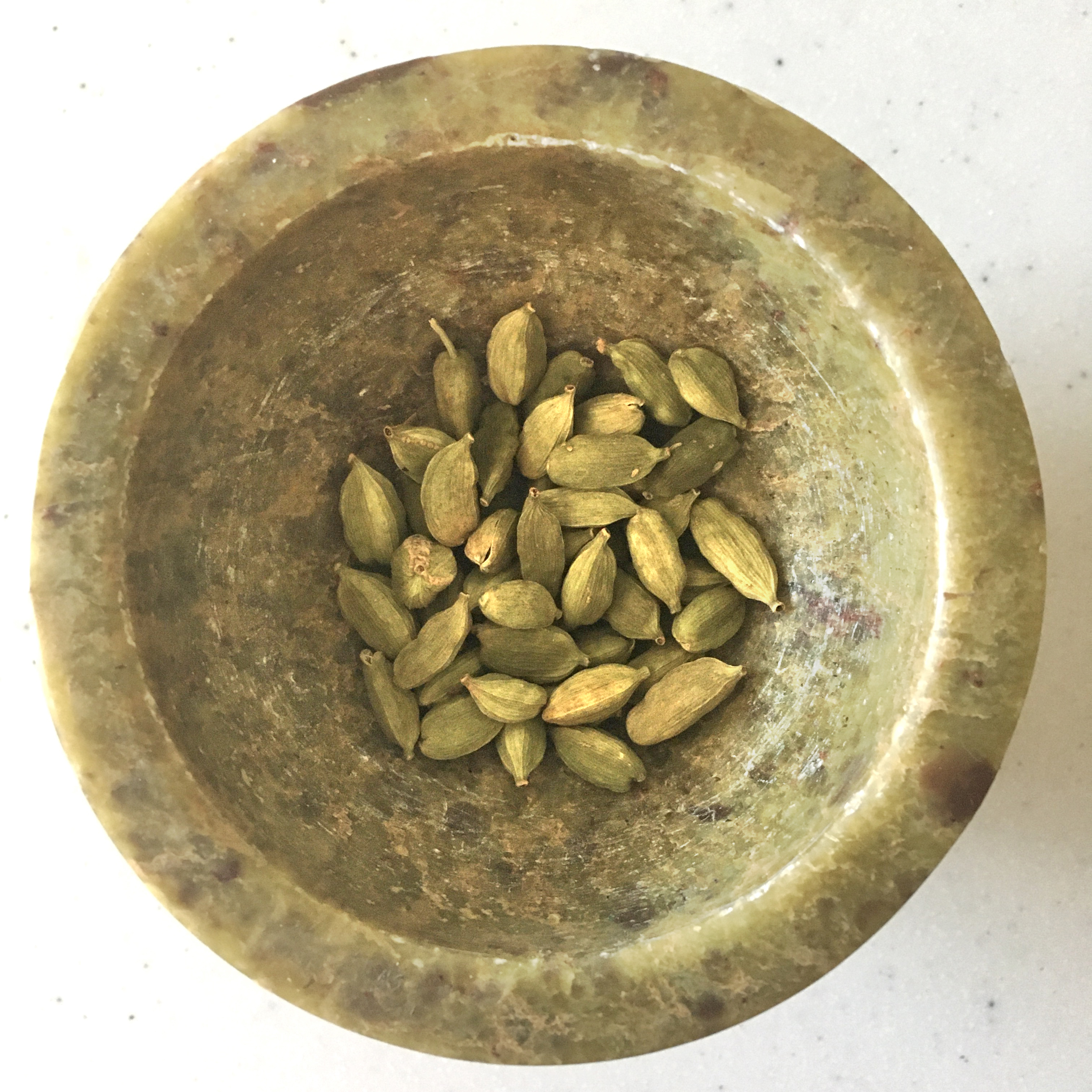
- Green cardamom: 3 pods
- Cinnamon: 1 small stick
- Indian bay leaf (tejpata): 1
- Custard powder: 4 spoons
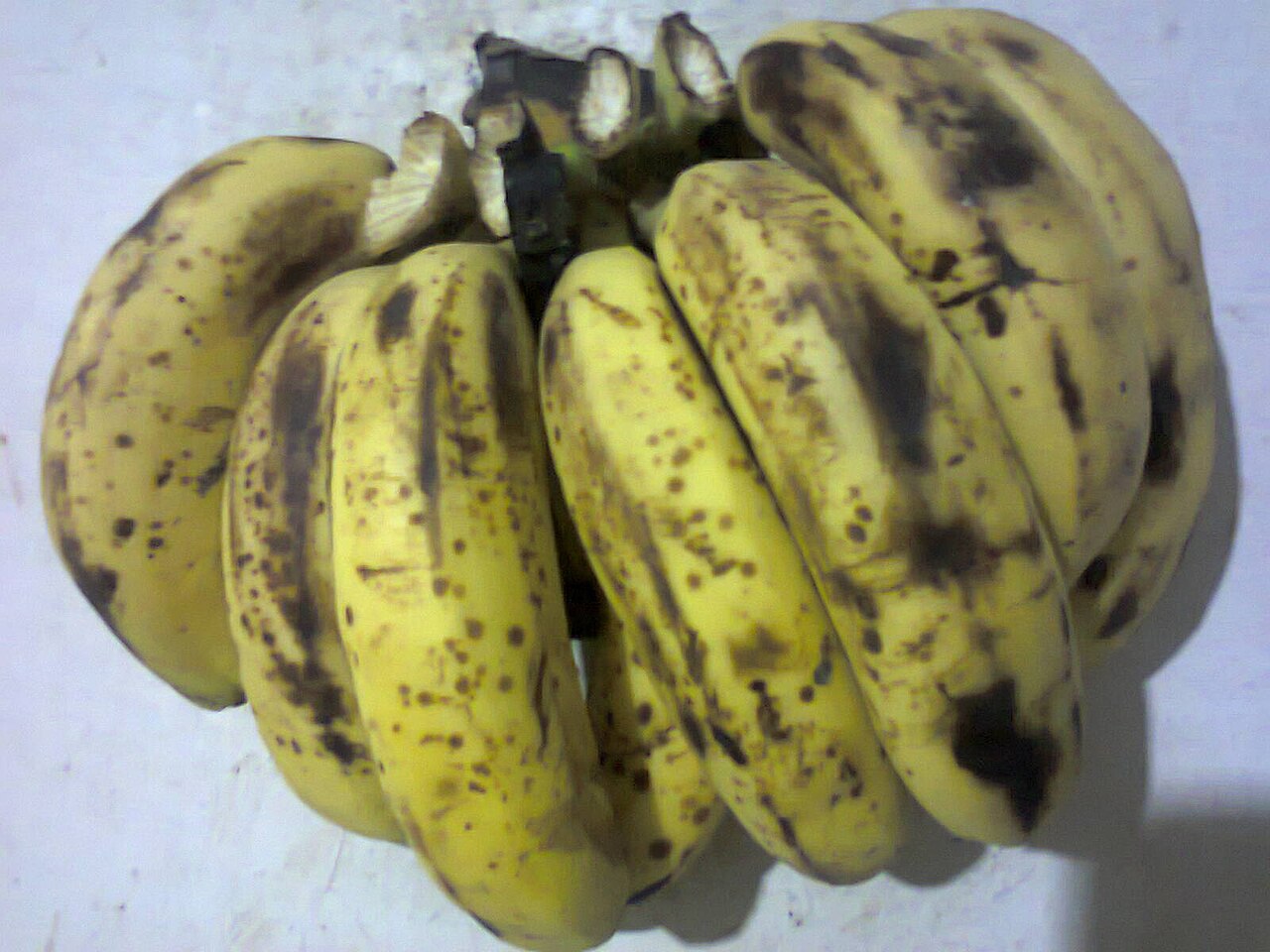
- Fruit of your choice (apple, grapes, banana, pomegranate and so on)
- Ice cream: any flavour you like
The small cardamom in the recipe is green cardamom (Elettaria cardamomum), counted as the world's third most expensive spice after saffron and vanilla. The bay leaf used in Bengali kitchens comes from Cinnamomum tamala, a tree native to the region from northern India, Bangladesh and Nepal to Myanmar, whose leaves carry a cinnamon-like aroma. Both lend fragrance to milk desserts.
Method
- Set aside half a cup of cold milk.
- Boil the rest of the milk until it reduces to a little over half a kilo.
- Add the powdered milk, sugar to taste, cardamom, cinnamon and bay leaf. As the custard will be served with ice cream, a little less sugar keeps the taste balanced.
- When the milk has thickened a little, take out the cardamom, cinnamon and bay leaf.
- Stir 4 spoons of custard powder into the cold milk you set aside, pour it into the hot milk on the stove and keep stirring without stopping.
- When the mixture is as thick as a sticky payesh, take it off the heat, let it cool and put it in the fridge. It will set in 30 minutes.
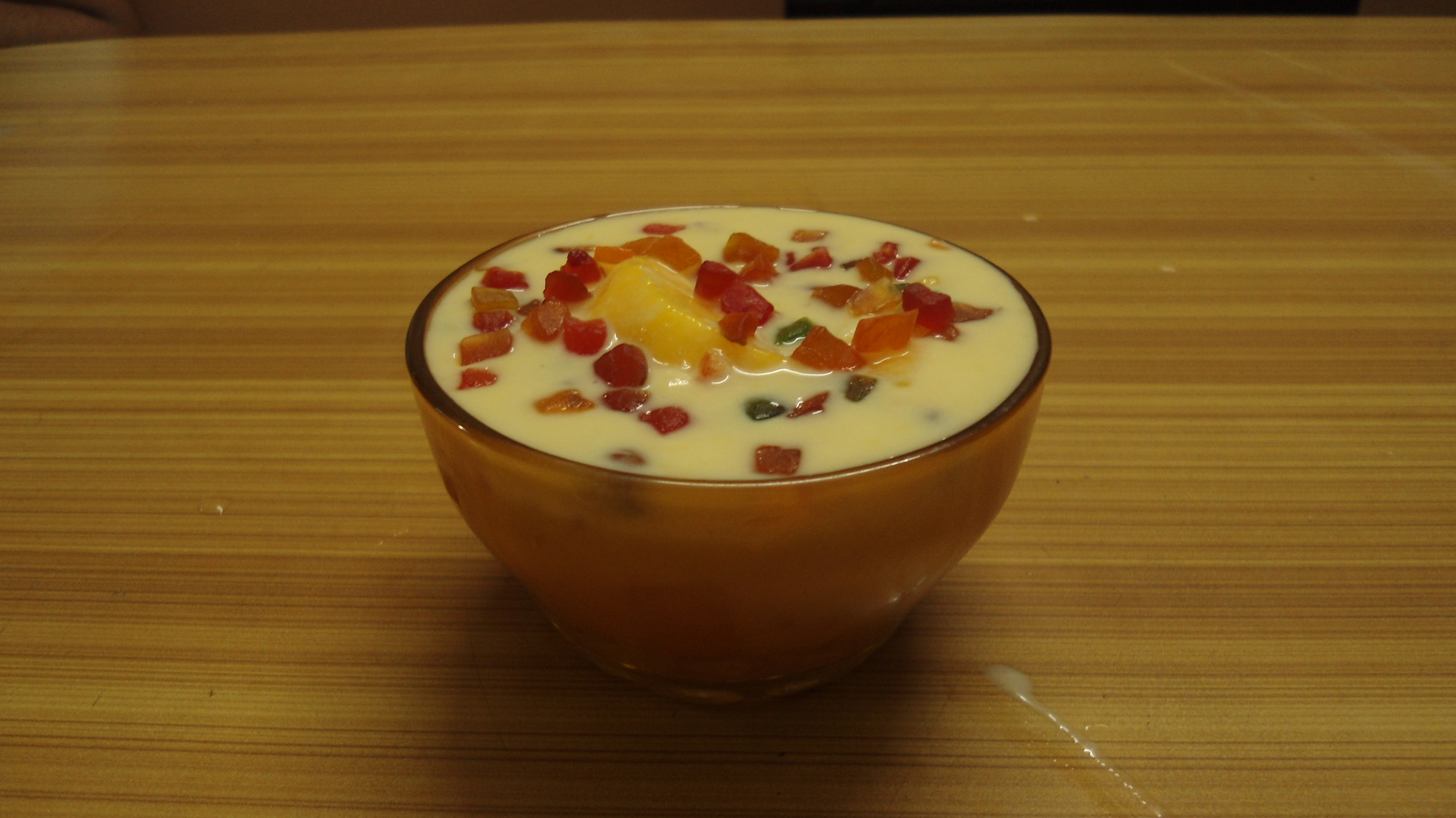
- Cut the fruit into cubes of the same size, fold them into the custard and serve it cold with ice cream on top. A single fruit works too.
Keeping cut fruit bright and the custard safe
Cut apples and bananas turn brown when exposed to oxygen in the air, through a reaction driven by the enzyme polyphenol oxidase. The original recipe suggests that if you cut the fruit in advance, you soak it in cold water from the fridge with a little salt. Dipping in salt or sugar solutions and keeping fruit cold are both recognised ways of slowing the reaction, and acids such as citric or ascorbic acid are used for the same purpose.
A milk dessert should not sit out for long. The US Department of Agriculture's Food Safety and Inspection Service (FSIS) says bacteria grow fastest between 40 and 140 degrees Fahrenheit and can double in as little as 20 minutes. Food should not be left out of refrigeration for more than 2 hours, or more than 1 hour when the temperature is above 90 degrees Fahrenheit. On a hot day, put any leftover custard back in the fridge promptly.
Photo: Shaili Sharma / Wikimedia Commons (CC BY-SA 4.0)
Sources: Jagonews24, US Department of Agriculture Food Safety and Inspection Service (FSIS), Wikipedia (Custard, Custard powder, Bird's Custard, Cardamom, Cinnamomum tamala, Food browning)


Comments
(0)