
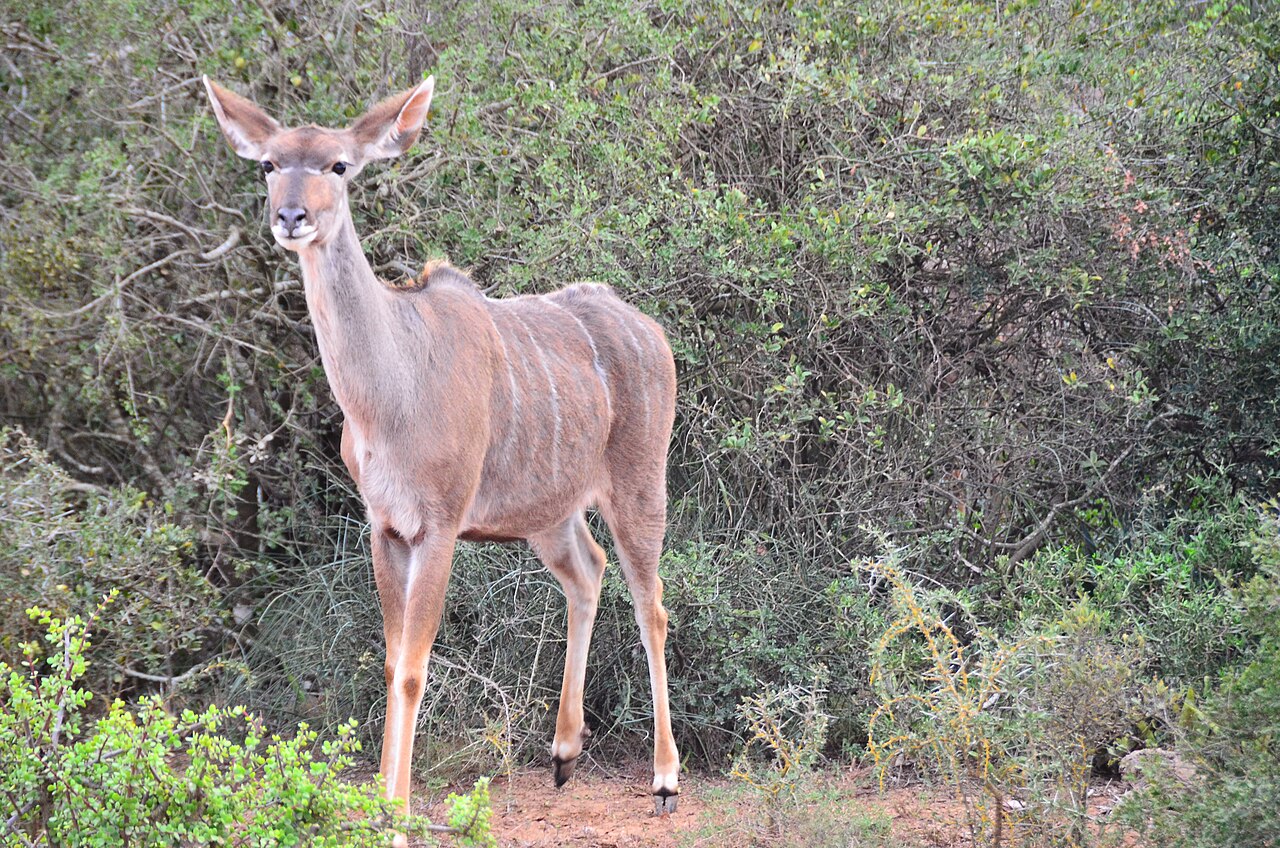
Foot-and-mouth disease (FMD) has been confirmed in kudu at Addo Elephant National Park near Gqeberha in South Africa's Eastern Cape, and the whole park, about 180,000 hectares, is under quarantine while veterinary authorities assess the risk of further spread.
Between 5% and 10% of the park's kudu are lame, SANParks veterinarian Dr David Zimmerman told Farmer's Weekly. Red hartebeest and eland have also developed clinical signs, although infection in those species has not been confirmed. A kudu bull and cow sampled on 1 September tested positive, a warthog sampled the same day was negative, and SANParks confirmed the outbreak on 13 October after follow-up tests; the first tests had been negative.
FMD has been spreading southwards from the province's northern border, and in July it was found on a property in the Paterson area near the park's north-eastern boundary. "Wildlife in areas that were previously free of FMD have become infected through exposure to infected livestock," Zimmerman said, adding that the source of the Addo infection is not known.
The disease rarely kills wild animals, but lame ones are easier prey. The bigger worry is buffalo, which carry the FMD virus in Southern Africa, sometimes for years, without obvious signs. Three of Addo's separately fenced sections hold buffalo. The Darlington Dam section, about 40 km from the main camp, is separated by at least three game fences and the Zuurberg mountains, which may reduce the chance of transmission, though Zimmerman cautioned that distance alone cannot guarantee protection.
Under the quarantine, animal movements are restricted, vehicles, equipment, people and materials are controlled between sections, and no cloven-hoofed animal may enter or leave without veterinary authorisation after a risk assessment. Tourism continues under the park's biosecurity rules. For farmers around the park, the case shows how the disease now moves between livestock and wildlife. The report is by Hanlie du Plessis.
Photo: Dariusz Jemielniak / Wikimedia Commons (CC BY-SA 4.0)
Source: Farmers Weekly South Africa

Comments
(0)