
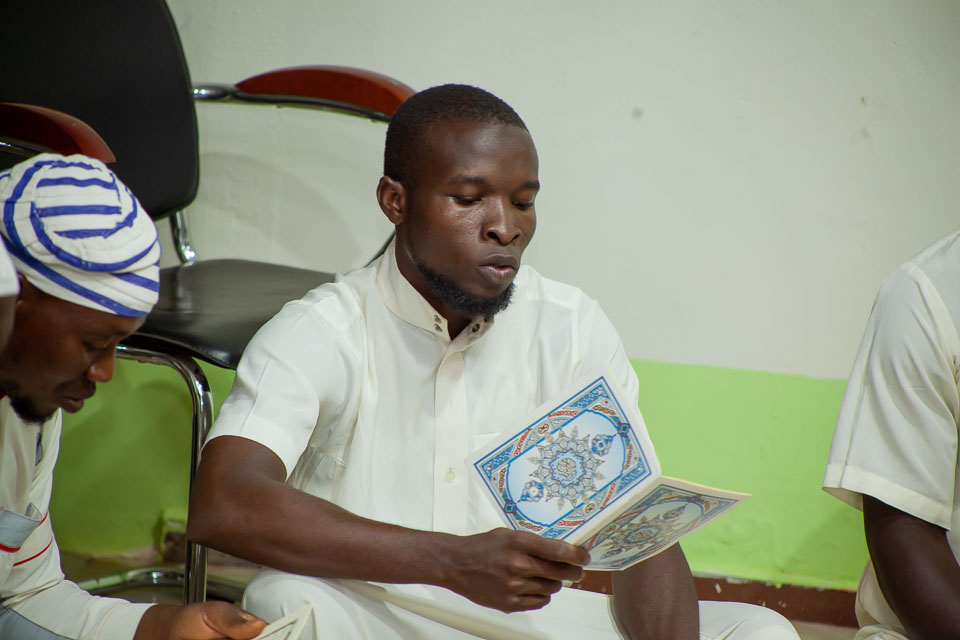
A piece on Channel i Online sets out what the Quran and authentic Hadith say about whether people are born good or bad. Islam, it says, does not regard human beings as born sinful or evil; they are born with fitrah, a natural disposition.
In hadith 2658 of Sahih Muslim the Prophet (peace be upon him) said every child is born upon fitrah and its parents then lead it to a later religious identity; he cited verse 30 of Surah Ar-Rum alongside it. The writer draws from this that upbringing shapes belief and identity, while individual responsibility still matters.
Verses 7 to 10 of Surah Ash-Shams say God made the soul aware of its good and bad, and that whoever purifies it succeeds and whoever corrupts it fails. Verse 10 of Surah Al-Balad speaks of showing people two paths, and verse 3 of Surah Al-Insan of showing the way, after which a person may be grateful or ungrateful.
The Quran and Hadith, the piece says, do not brand anyone permanently as a bad person for a single mistake or sin; the emphasis is on self-purification, returning to the right path and doing good. Islam treats wrong as wrong, yet keeps the way to reform open.
Its conclusion: people are born with fitrah but have the ability to choose between good and bad, and through their own deeds can purify or corrupt their soul and character. The piece is by Farjia Hossain.
Photo: OJjnr / Wikimedia Commons (CC BY-SA 4.0)
Source: Channel i Online
Comments
(0)