
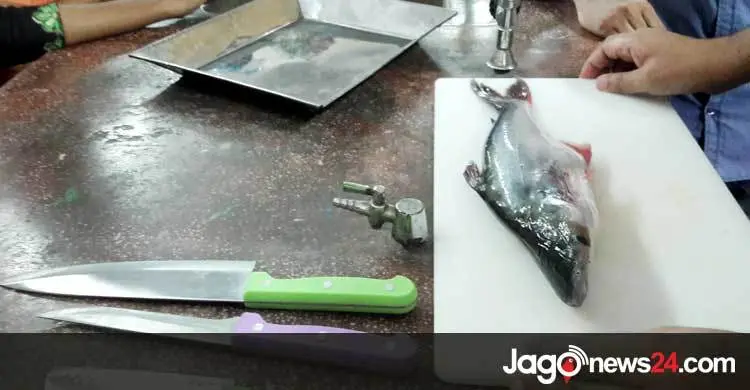
Fillet and sashimi are among the most popular foods for people abroad, but they also have potential in Bangladesh, according to Bangladesh Agricultural University. There are also strong prospects for exporting them.
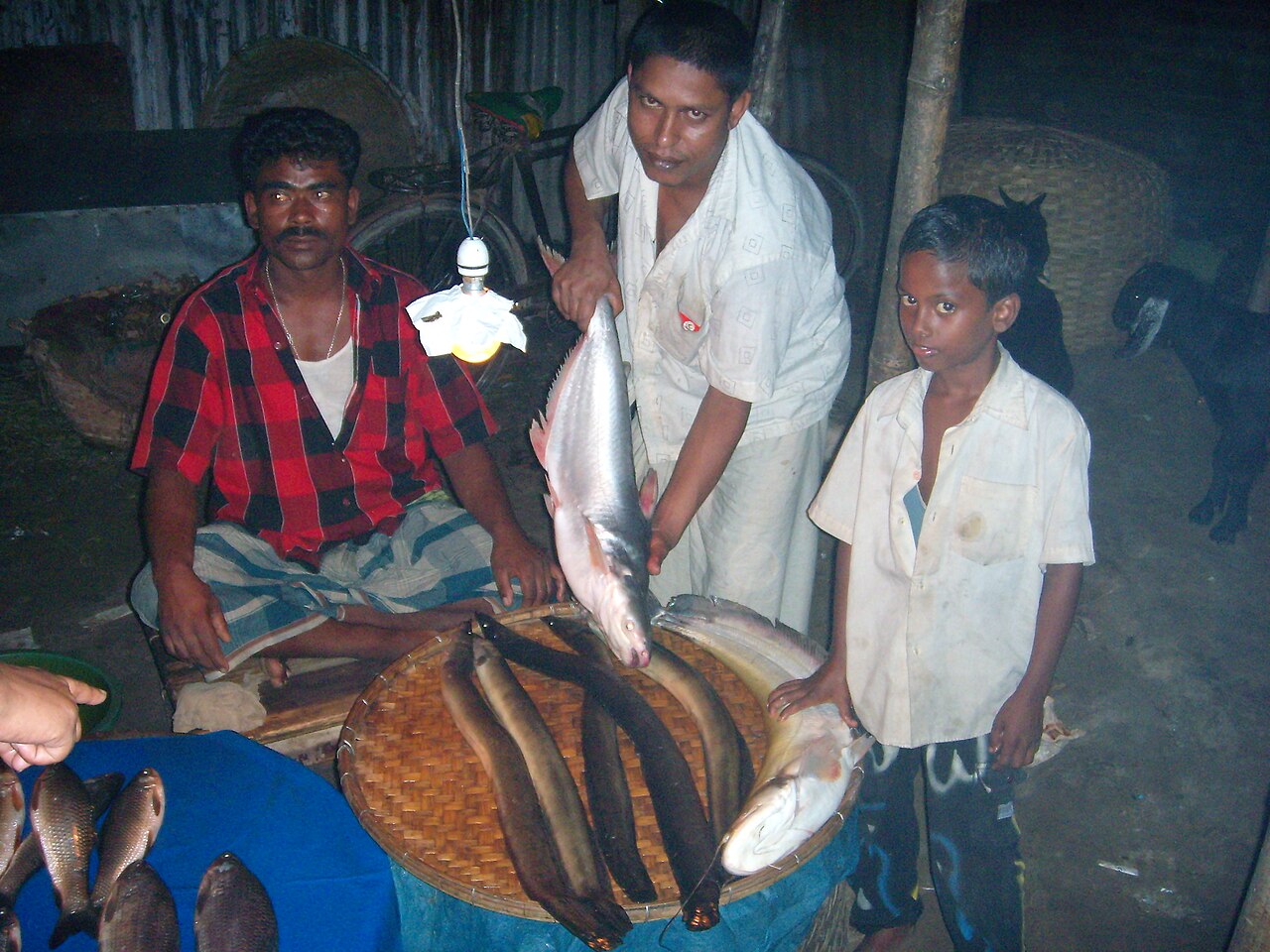
Fillet, the fleshy part of a fish, is made from fish whose flesh has no small bones. In Bangladesh pangas, tilapia, various catfish and sea fish are used for it.
The same kinds of fish are used for sashimi, which consists of thin slices of the flesh of fresh fish, about 2.5 inches long and 0.5 inches wide. It is eaten with sauce or with various vegetables.
How it is made
To make sashimi from pangas, a fillet is prepared first. A knife is placed near the head and the fish is cut along the backbone towards the tail. The skin is then carefully removed, and the fillet is cut into thin small pieces to make fillet sashimi.
For serving, tomatoes, coriander leaves and onions are arranged artistically around the sashimi. There are strong prospects for making fillet and sashimi from Bangladesh's pangas and tilapia and exporting them.
Source: Jagonews24. First published in Bengali on The Agro News.

Comments
(0)