
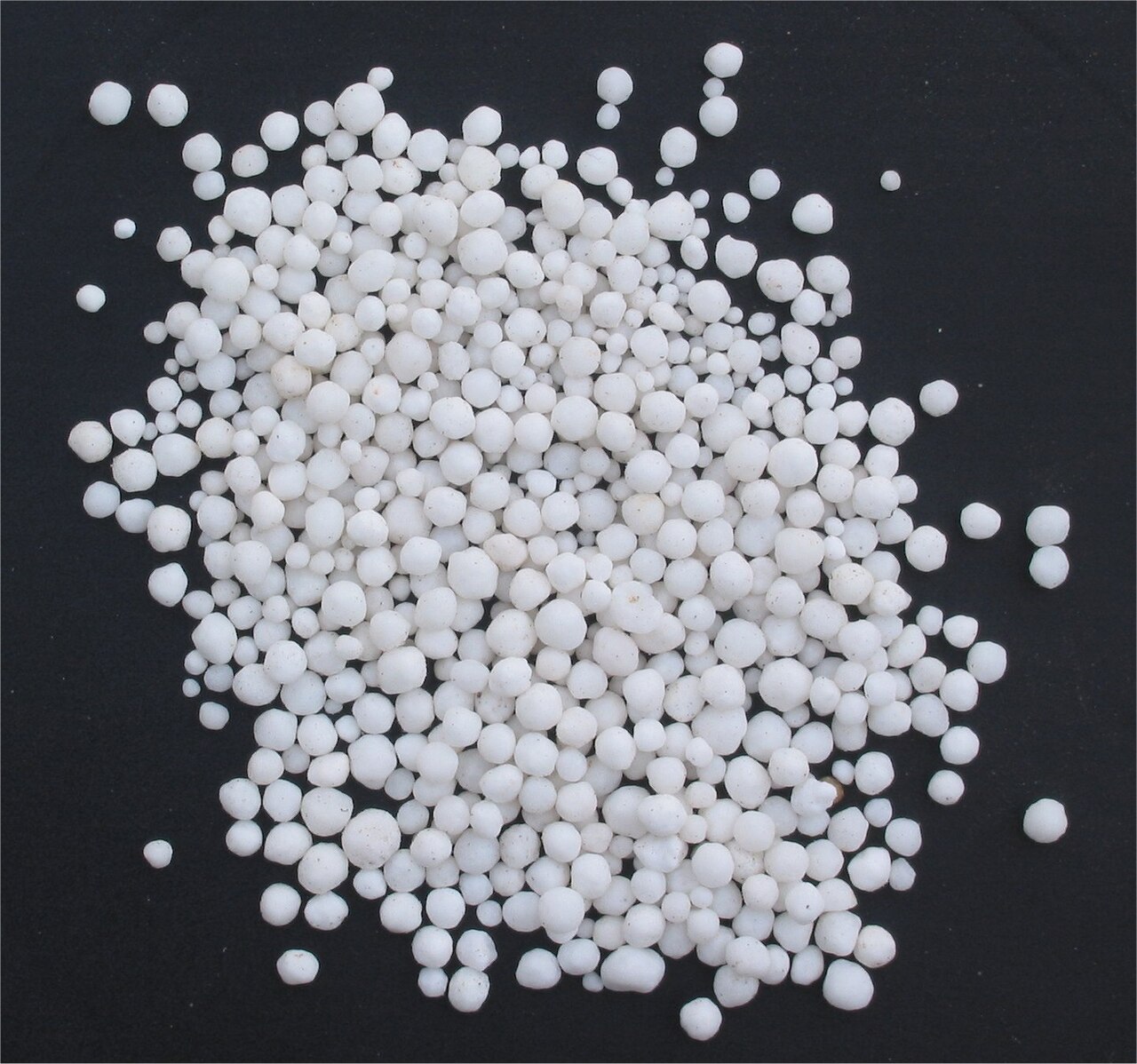
American farmers could face tighter and costlier supplies of all three main crop nutrients, nitrogen, phosphate and potash, as conflict in the Middle East and trade uncertainty with Canada weigh on the fertiliser market, Josh Linville, vice president of fertilizer at StoneX, told Michigan Ag Today.
The Strait of Hormuz is the critical choke point. "Three of the world's biggest urea exporters, Iran, Qatar, Saudi Arabia, are behind the Strait of Hormuz," Linville said, adding that the same three are big anhydrous ammonia exporters and that Saudi Arabia is also a major phosphate exporter. "With the attacks that went on this weekend, it doesn't look like it's improving anytime soon." The disruption also reaches energy markets: natural gas is the main feedstock for nitrogen fertiliser, and higher gas costs can cut output or shut plants well beyond the region. "That's why we've seen a little bit of European production go down," he said.
Phosphate faces an extra problem. Sulfur is a key raw material for phosphate fertiliser, and Linville said about half of the world's tradable sulfur supply comes through the Strait of Hormuz. Without it, manufacturers elsewhere, including in the US, cut production rates because there is not enough or it costs too much. That keeps a high price floor: even when farmers buy less, prices may not fall much, and if they fall below production cost, more plants shut. "More production shuts down because that price floor is so stinking high," he said.
Potash is a Canada question. The US produces little of its own and about 90% of its potash imports come from Canada, which makes the USMCA negotiations important to fertiliser buyers on both sides of the border. "For all the bluster on both sides of the aisle, both sides of the border, we've never seen anything actually go against potash yet," Linville said, but he warned that if the trade agreement falls apart, "I think both sides of the border go after potash".
For growers, the result is continued uncertainty as they weigh fertiliser purchases against crop prices, cash flow and expected returns ahead of the next application season.
Photo: Rasbak / Wikimedia Commons (CC BY-SA 3.0)
Source: Michigan Ag Today


Comments
(0)