
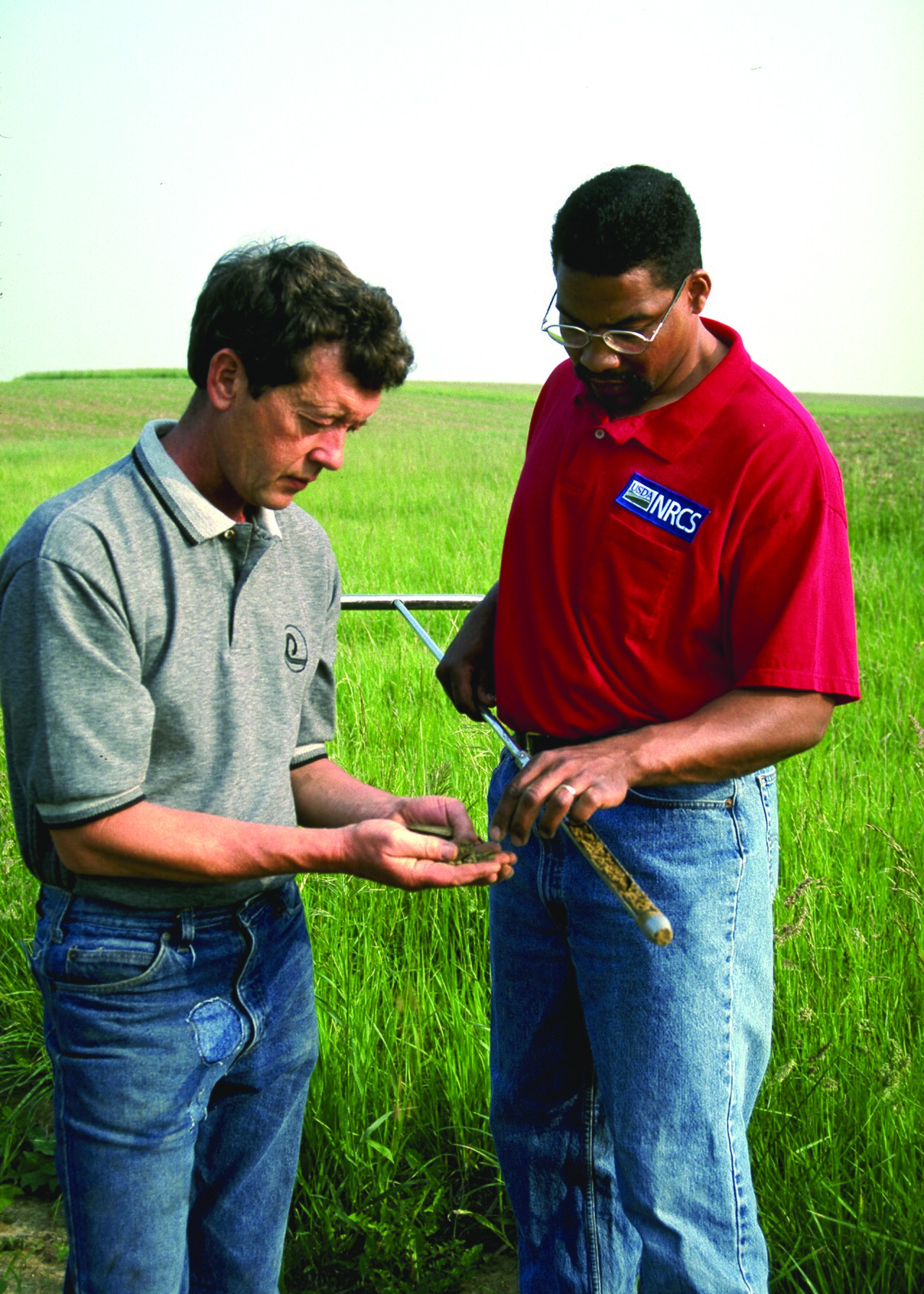
With input costs high and weather hard to predict, growers can make fertiliser go further by reviewing each field after harvest instead of repeating last year's programme, Farms.com reported on 29 October, drawing on advice from Wilbur-Ellis principal sales agronomist Tyler Kidd.
The first step is to see how fields performed, using yield maps, crop removal estimates and field history. Fields hit by drought or uneven rain may need different nutrients from high-yielding ones. "The first step is getting an idea of where we're at before we make a plan," Kidd said. "Growers need to decide what crop they're going to plant, what kind of yield they think they can make and fertilize accordingly."
Soil samples should come from all kinds of ground, strong, weak and visibly problematic, not just similar areas. Growers should also look beyond nitrogen, phosphorus and potassium to sulfur, calcium and magnesium and to micronutrients such as zinc, manganese and boron, and check soil pH, which can stop crops using nutrients that are present. Fixing such problems can pay more than simply raising rates.
Fertiliser should match realistic yield goals set by rainfall, irrigation, soil and crop choice; feeding for yields that will not come only adds cost. Many growers apply essential nutrients early and adjust later as the season becomes clearer. Before adding a product, check that it answers a documented need, using research data, trial results and an agronomist's advice: the cheapest product is not always the best buy, and a dearer one is not automatically better. The aim is the right nutrients at the right rate in the right places.
Photo: Tim McCabe, USDA Natural Resources Conservation Service / Wikimedia Commons (Public domain)
Source: Farms.com
Comments
(0)