
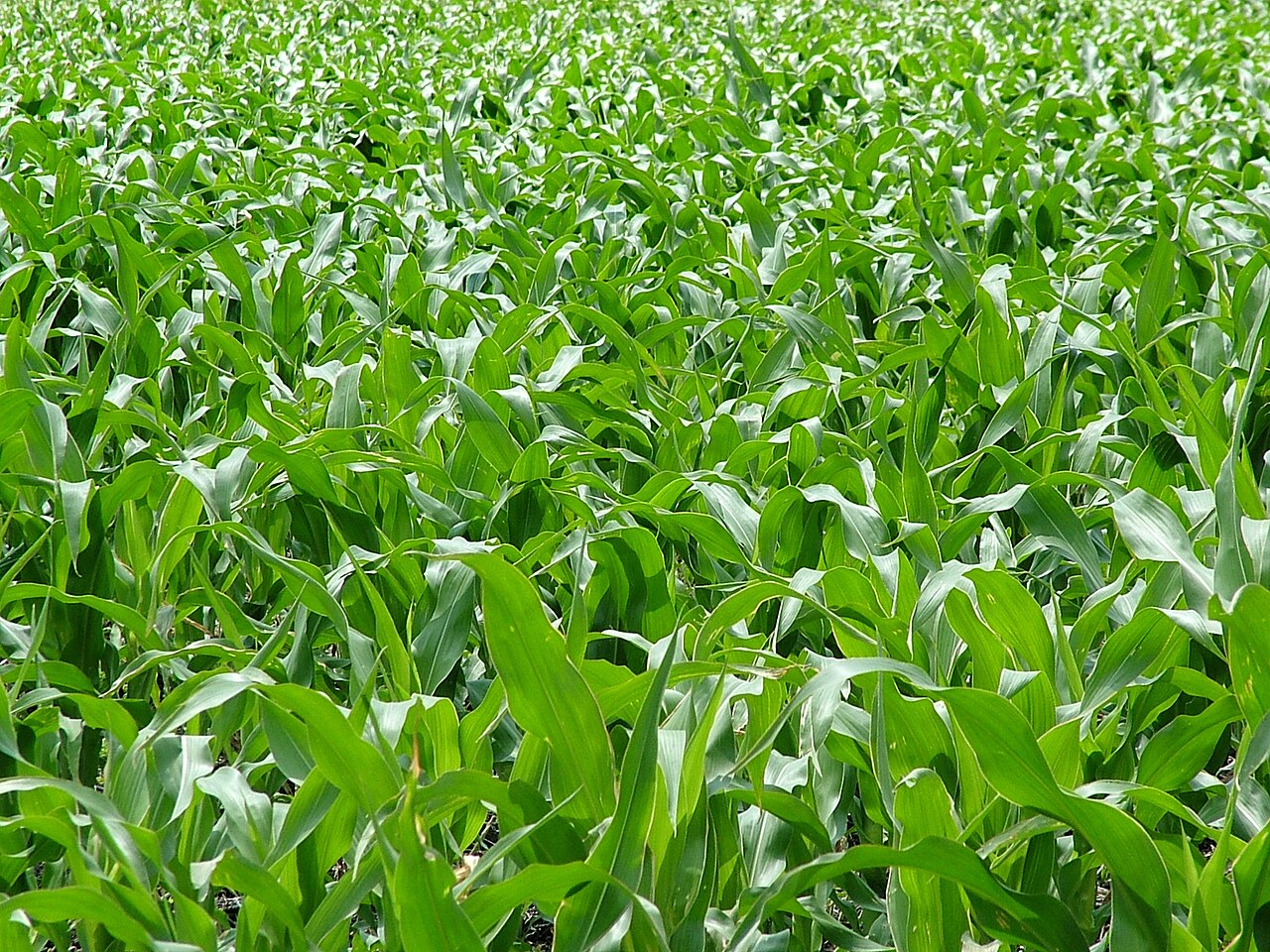
With forecasts pointing to a strengthening El Niño that could reach super El Niño status in summer 2026/27, grain and oilseed farmers in South Africa's Free State, North West, Mpumalanga and Limpopo are expected to put drought risk ahead of maximum production, Magda du Toit reported for Farmers Weekly South Africa on 31 October. Some have already started planting sunflower, maize and soya bean early to spread risk.
The South African Weather Service and the Department of Agriculture have warned of greater risks of heat stress, moisture deficits and uneven rainfall. Jaco Naudé, Pannar Seed's area sales manager in the Free State, said farmers can adjust planting strategies, cut maize hectares on marginal soils, plant sunflower, stagger planting dates and review fertiliser and planting rates; irrigating in the cooler part of the day can ease stress in warm spells.
Charles Basson of Syngenta Seeds South Africa said growers should watch soil temperature at and just after planting, because swings between warm days and cool nights stress crops and activate the Sclerotinia fungus that attacks sunflowers. "It's temperature fluctuation that acts as the fungus's biological alarm clock," he said, adding that early weed control matters in maize. Yolandi Furniss of Syngenta Seedcare said nematode damage is often worse under drought, and seed treatments can protect young roots while crops establish.
Corné Louw, head of applied economics at Grain SA, said 2026/27 may not be a year to experiment with untested products or practices, given high input costs, especially energy-linked inputs affected by Middle East instability, low grain prices and late-season drought risk. He urged careful buying of the right inputs at competitive prices, fertiliser plans based on soil analysis and realistic yields, and knowing the production cost of each crop and field.
Free State farmer Petrus Roux of Kromvlei Boerdery near Hoopstad, who plants half his land to maize and half to groundnuts, soya bean and sunflower and also farms cattle and game, said he starts planning the next season straight after each harvest, weather outlook included.
Photo: Lotus Head / Wikimedia Commons (CC BY-SA 3.0)
Source: Farmers Weekly South Africa

Comments
(0)