
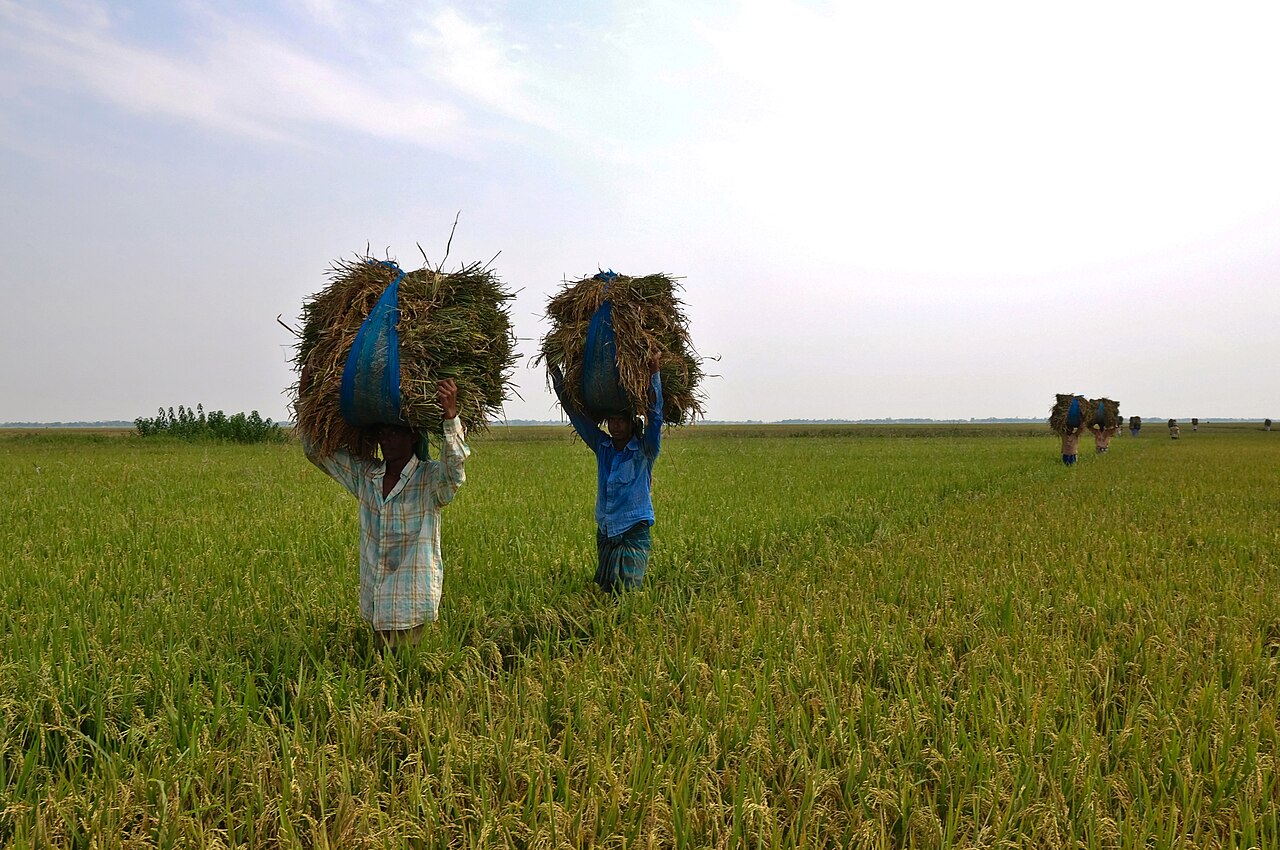
Seed villages, or seed technology villages, are being set up in 40 upazilas of Cumilla, Noakhali, Feni, Lakshmipur and Brahmanbaria districts. The aim is to let farmers produce and store quality seed on their own land, strengthen the local seed system and get seed quickly to disaster-hit areas when needed, Krishi Shomoy reports.
The work is carried out through the Agricultural System Restoration Component of the Bangladesh Sustainable Recovery, Emergency Preparedness and Response Project (B-STRONG), run by the Department of Agricultural Extension (DAE). One of its purposes is to restore farming damaged by climate change and flash floods. The project's goals include raising crop output by 2 percent through modern technology and mechanisation, and training farmers and agricultural entrepreneurs, at least 30 percent of them women.
Areas that grow two rice crops a year and wheat, pulses, oilseeds or spices in another season are being chosen, with at least three seed technology villages planned in each upazila at first. Foundation seed and improved varieties developed by BARI, BRRI, BINA, BADC and Bangladesh Agricultural University are given priority.
As demonstrations, rice will be grown on 10 bigha in each of two seasons, 20 bigha in all, with five to 10 farmers taking part; wheat, pulses and oilseeds get three bigha each, with one to three farmers apiece. The project office estimates 1,440 tonnes of rice seed from 2,400 bigha, 135 tonnes of wheat seed from 360 bigha, 72 tonnes of pulse seed from 360 bigha and 57.60 tonnes of oilseed from 360 bigha, plus 4.8 tonnes of spice seed and 120 tonnes of bulbs and tubers from 120 bigha each.
To keep seed quality up, each village is being given a moisture meter, seed storage containers, tarpaulins, a sack-sewing machine, a sealing machine, scales and sacks or packets. Under the plan the farmers in each village will store at least 2,500 kg of rice seed, 600 kg of wheat seed, 200 kg of pulse seed, 100 kg of oilseed, and either 2 kg of onion seed or 200 kg of onion bulbs.
DAE, the Seed Certification Agency (SCA) and project staff are inspecting the fields together. Each village rogues its crop at least three times to remove off-type plants, and keeps to correct planting spacing, isolation distance, weed control and balanced fertiliser use. Those involved expect the scheme to ease the shortage of quality seed and to turn farmers into seed producers and suppliers, less dependent on the market.
The report was filed by Krishi Shomoy's Cumilla correspondent.
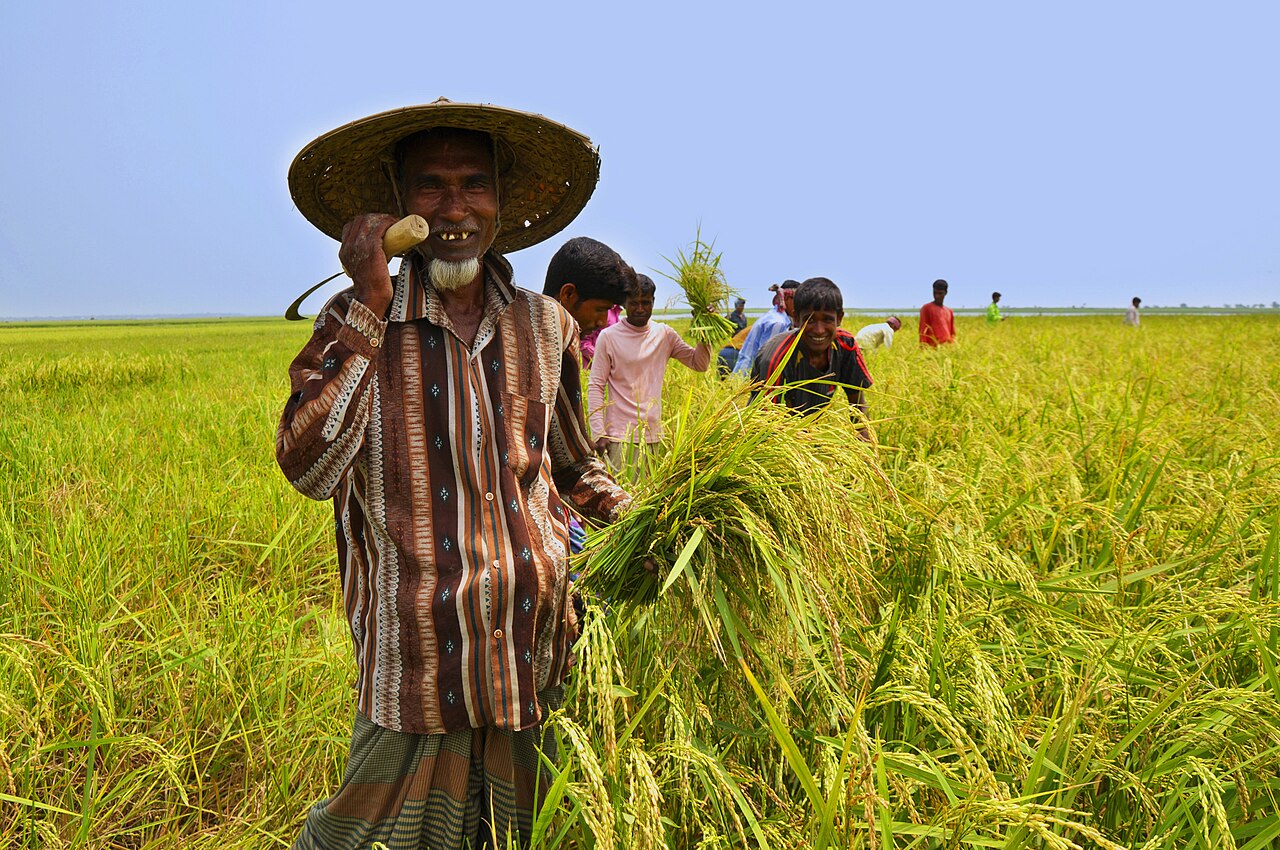
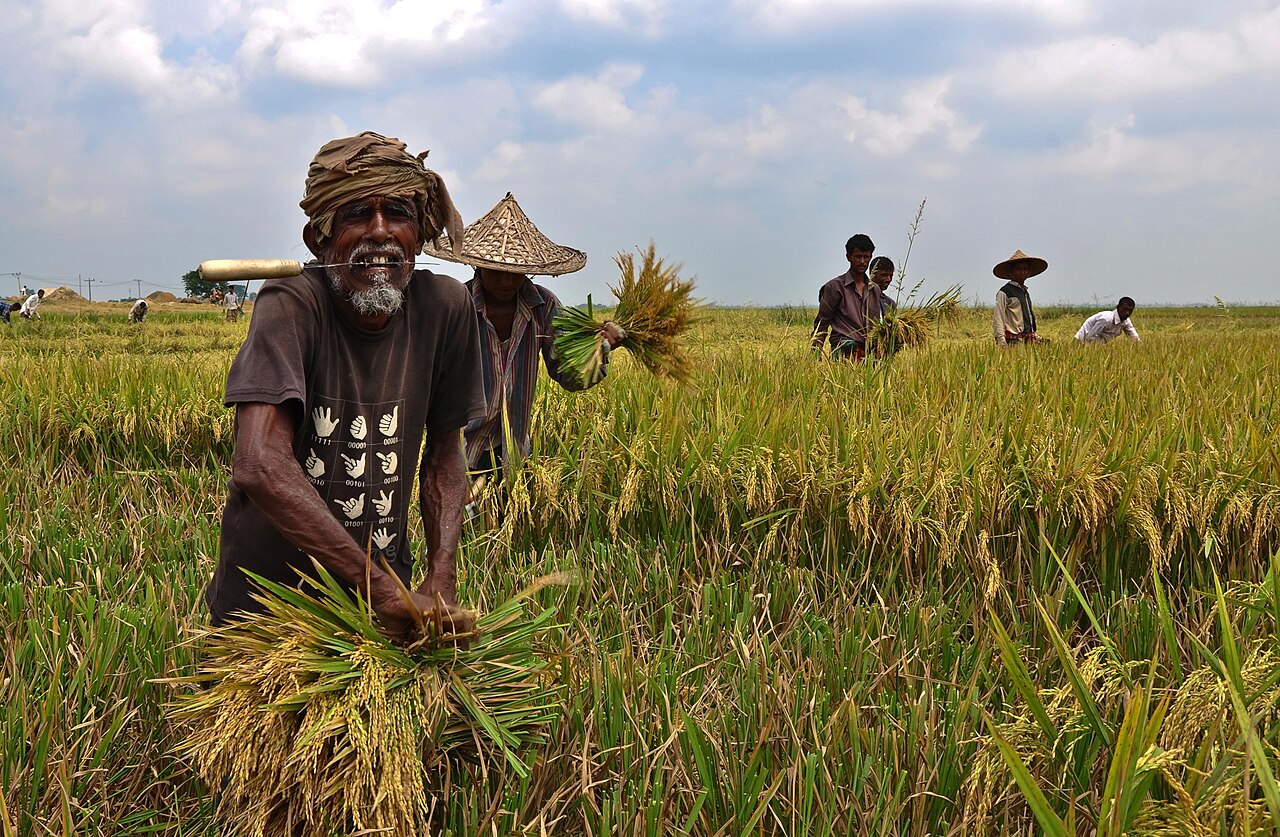
Photo: Harvesting paddy in a haor, Balaram Mahalder / Wikimedia Commons (CC BY-SA 3.0)
Source: Krishi Shomoy

Comments
(0)