
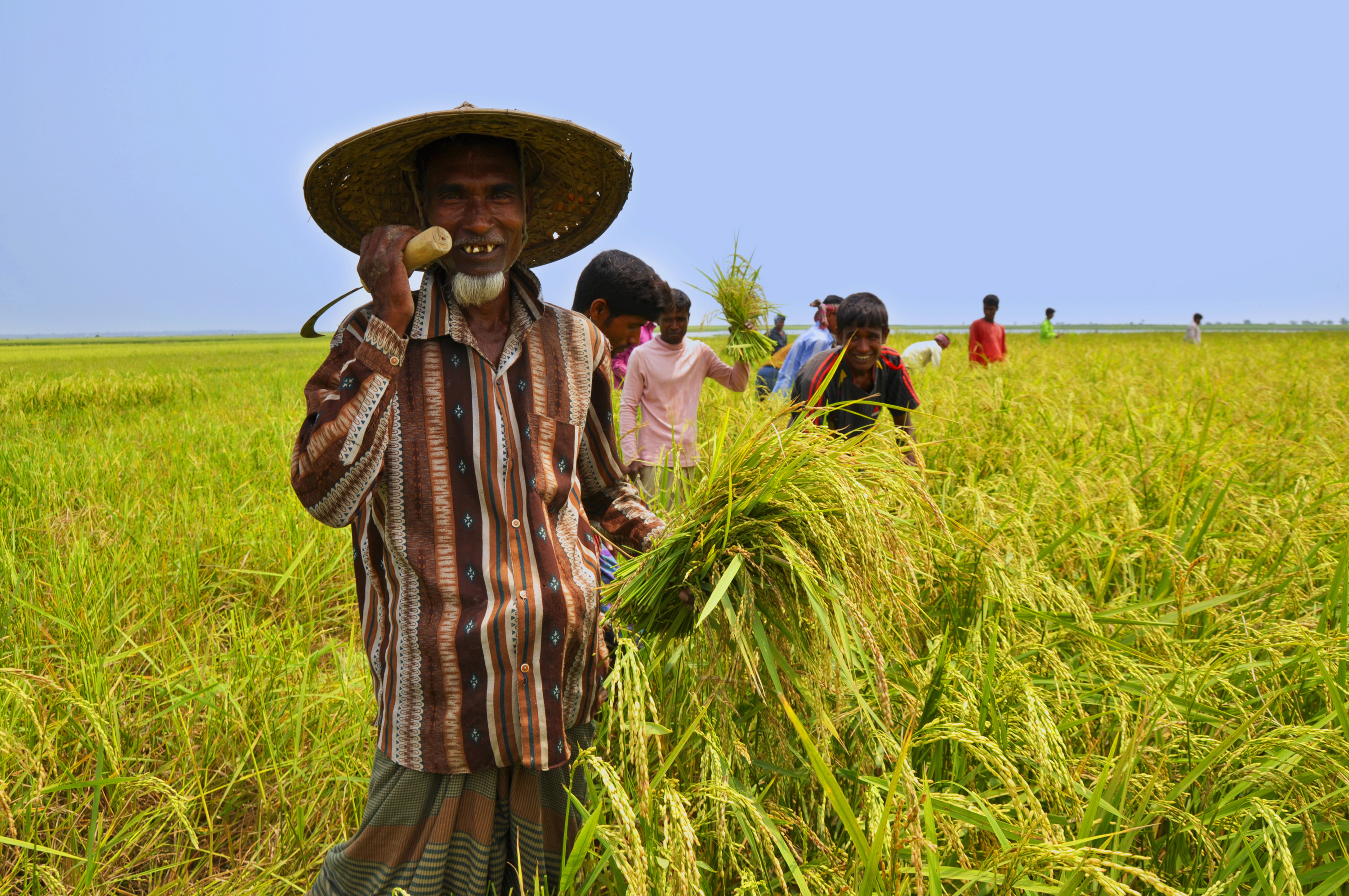
To stop irregularities and the grip of middlemen on government paddy buying, Bangladesh's food department decided to run the 2019 Aman procurement in several districts through a mobile app. BBC Bangla reported on 28 November 2019 that the app, called Krishoker App (Farmers' App), had been built by the Bangladesh Computer Council, and that the Directorate General of Food planned to use it in 16 districts that season.
That year's Aman procurement drive began on 20 November 2019 and was due to end on 8 February 2020. The government set out to buy 600,000 tonnes of paddy from farmers at Tk 26 a kilogram and 350,000 tonnes of rice from mills at Tk 36 a kilogram. Under government policy, a list was drawn up of how much paddy would be bought in each district.
From registration to lottery: selling paddy through the app
Dr Mosammat Nazmanara Khanum, director general of the Directorate of Food, told the BBC that the work under way at the time was mainly farmer registration. Farmers could register on the app until 7 December with their name and national ID number. Those whose names then appeared on the app would apply to sell paddy, stating which variety they had grown and how much they wanted to sell.
After the applications were analysed, a software lottery would decide whose paddy would be bought. Each selected farmer would be told digitally where to deliver the paddy, and there would receive a printed copy of a cheque for the payment, which could be cashed at a bank. The director general said this would leave no room for irregularities by brokers or by any dishonest person among officials.
According to the BBC report, the app offered these main features:
- Anyone could download it from the Google Play Store.
- Farmers could use it to sell their paddy and rice to the government.
- Millers and farmers would learn the demand for paddy and rice and the delivery dates by message on their phones.
- Applications to sell paddy and their status could be checked in the app.
- Anyone facing harassment could lodge a complaint.
Help for farmers without a phone
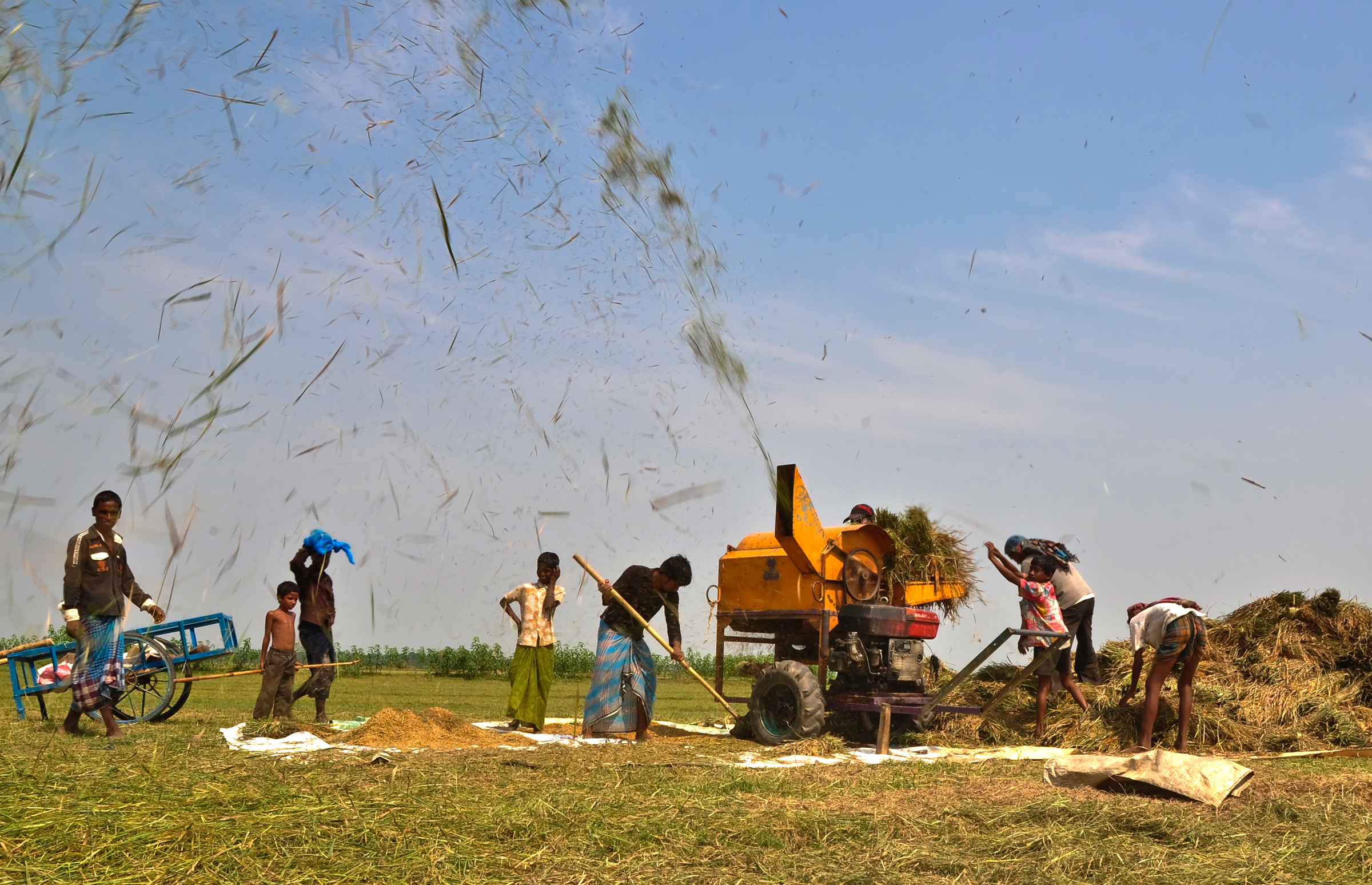
The director general said wide awareness work had been carried out among officials and farmers in the 16 districts where the app was to be used. District and thana-level food officials, along with staff of the Union Digital Centres, were trained to use it. Farmers without a phone could register and apply at several places, she said; each farmer registers only once, and the same registration number would let them sell paddy and take part in other programmes every year.
On 21 November, Agriculture Minister Abdur Razzaque told an event in Dhaka that the government would buy 600,000 tonnes of paddy directly from farmers that Aman season, that underprivileged farmers would get priority and that a lottery would be held for this. He said, as The Daily Star reported, that paddy prices had risen by Tk 100 to Tk 200 a maund after the procurement was announced.
The Aman season and government procurement
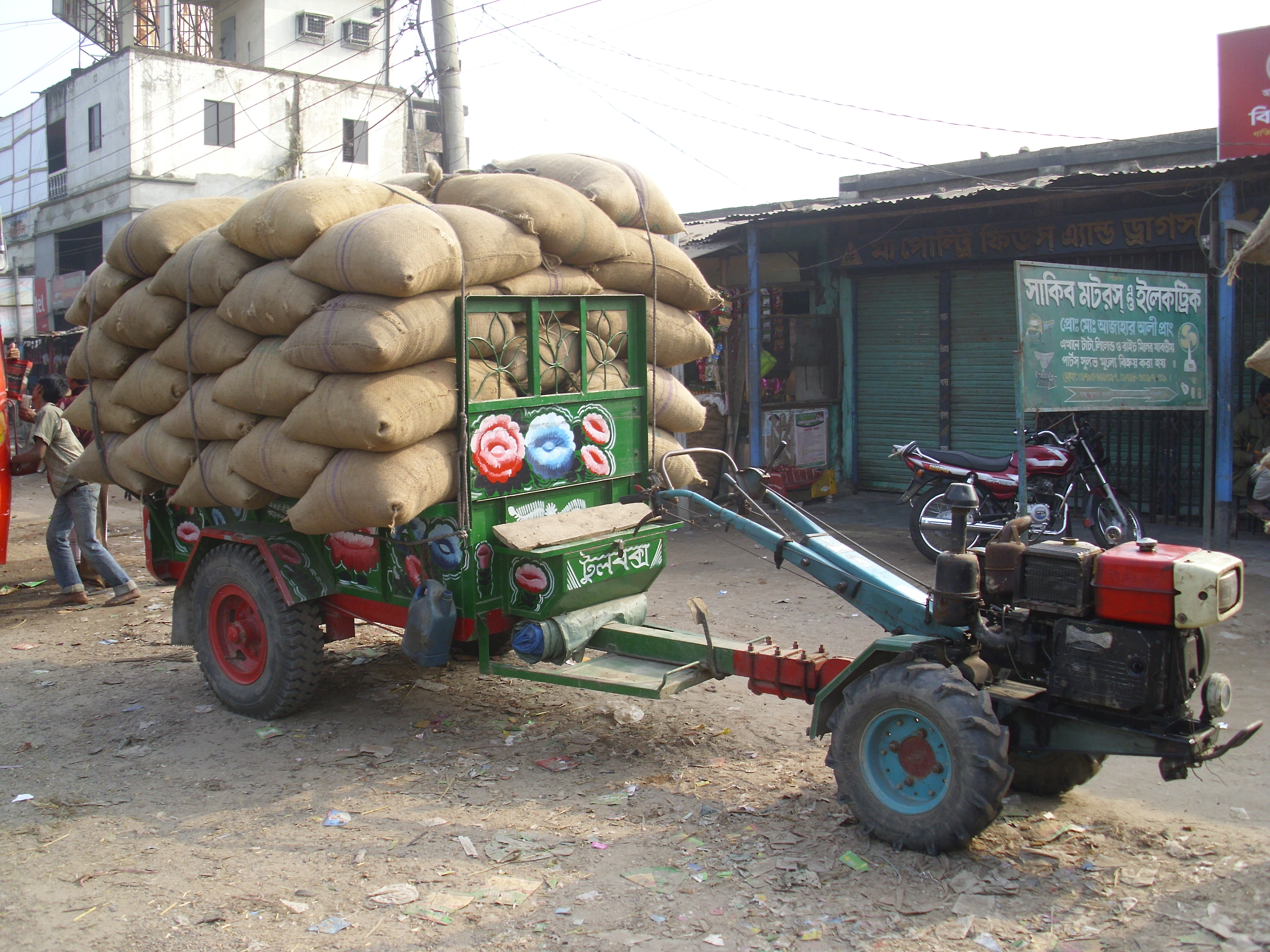
Bangladesh grows rice in three seasons: Aus, Aman and Boro. Citing the crop calendar in the Ministry of Agriculture's Krishi Diary, an April 2019 report by the US Department of Agriculture's Foreign Agricultural Service says Aman rice is planted in July and August and harvested in November and December. The same report estimated the 2018/19 Aman crop at 5.873 million hectares and 13.5 million tonnes of rice, and said the Ministry of Food procured 799,966 tonnes of Aman rice at Tk 36 a kilogram between 1 December 2018 and 3 March 2019.
The Directorate General of Food, which runs paddy and rice procurement, is a department under the Ministry of Food responsible for managing the country's food supply; it traces its origins to the Food Department created after the Bengal famine of 1943. The Bangladesh Computer Council, which built the app, works under the Information and Communication Technology Division of the Ministry of Posts, Telecommunications and Information Technology.
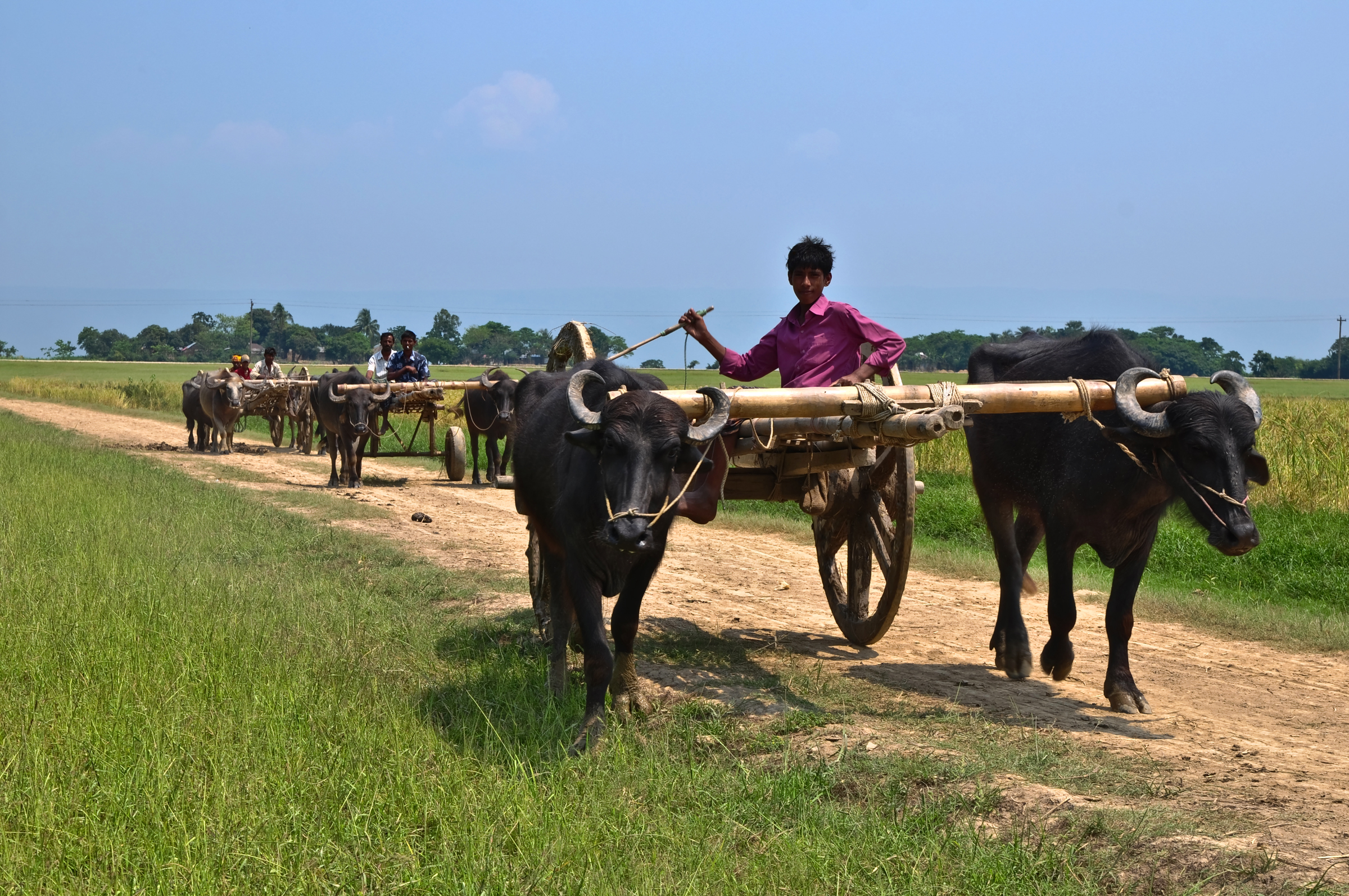
Photo: Balaram Mahalder / Wikimedia Commons (CC BY-SA 3.0)
Sources: BBC Bangla, The Daily Star, US Department of Agriculture (USDA Foreign Agricultural Service), Wikipedia
Comments
(0)