
Wild plants carry traits that could make crops more resilient, but biology often stops those traits from reaching a farmer's field. A new three-year project at Aberystwyth University in Wales will study why, by looking at how chromosomes recognise one another during reproduction, Seed World Europe reports.
The problem is a matter of pairing. When plants reproduce, matching chromosomes find each other and swap sections of DNA, giving the next generation new combinations of traits. In distantly related plants the chromosomes differ too much for this to work well, which makes it hard for breeders to bring useful characteristics from wild relatives into crops by conventional breeding.
The project, led by Dr Andrew Lloyd of the Institute of Biological, Environmental and Rural Sciences (IBERS), will draw on the institute's seed bank, which holds more than 43,000 seed samples from around the world, and on Aberystwyth's plant breeding expertise. "If we can use them to understand the rules governing chromosome recognition, we open the door to harnessing those traits to help crops withstand the pressures of a changing climate," Lloyd said.
Artificial intelligence is part of the plan. IBERS is working with the university's Department of Computer Science to use AI tools to predict outcomes and find the most efficient routes for moving traits between distant plants. The team will also use recent advances in DNA sequencing and chromosome painting, a technique that marks chromosomes so their interactions can be seen. Dr Faisal Rezwan, senior lecturer in bioinformatics, said only now do researchers have the computing and laboratory tools to decode how chromosome differences affect the way they interact.
The work is funded by the Biotechnology and Biological Sciences Research Council, part of UK Research and Innovation. It is basic research: its aim is to make conventional breeding from wild relatives faster and more predictable, which could in time speed up varieties that cope better with heat, drought and disease.
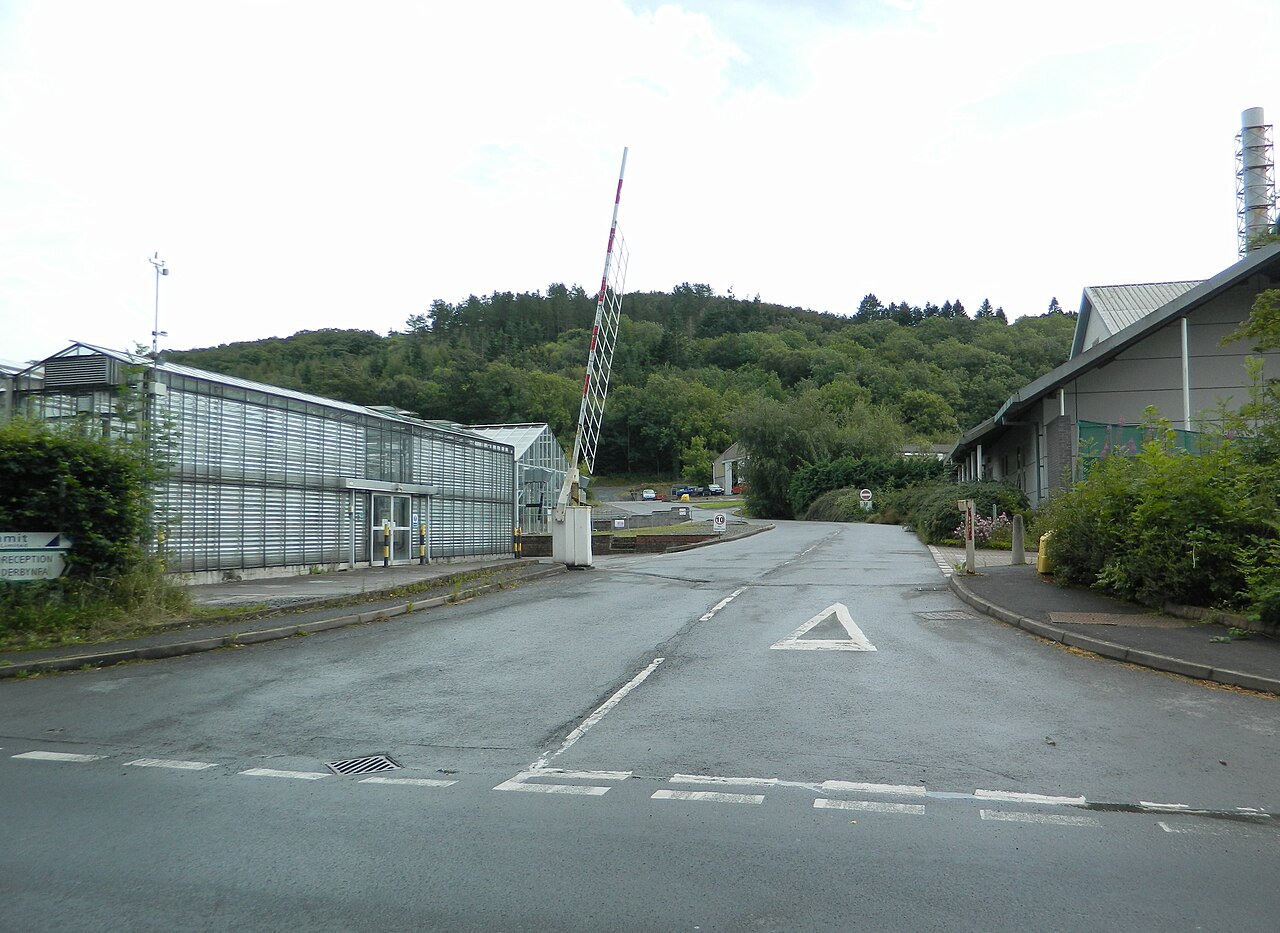
Photo: John Lord / Wikimedia Commons (CC BY-SA 2.0), the former Institute of Grassland and Environmental Research, Aberystwyth
Source: Seed World Europe

Comments
(0)