
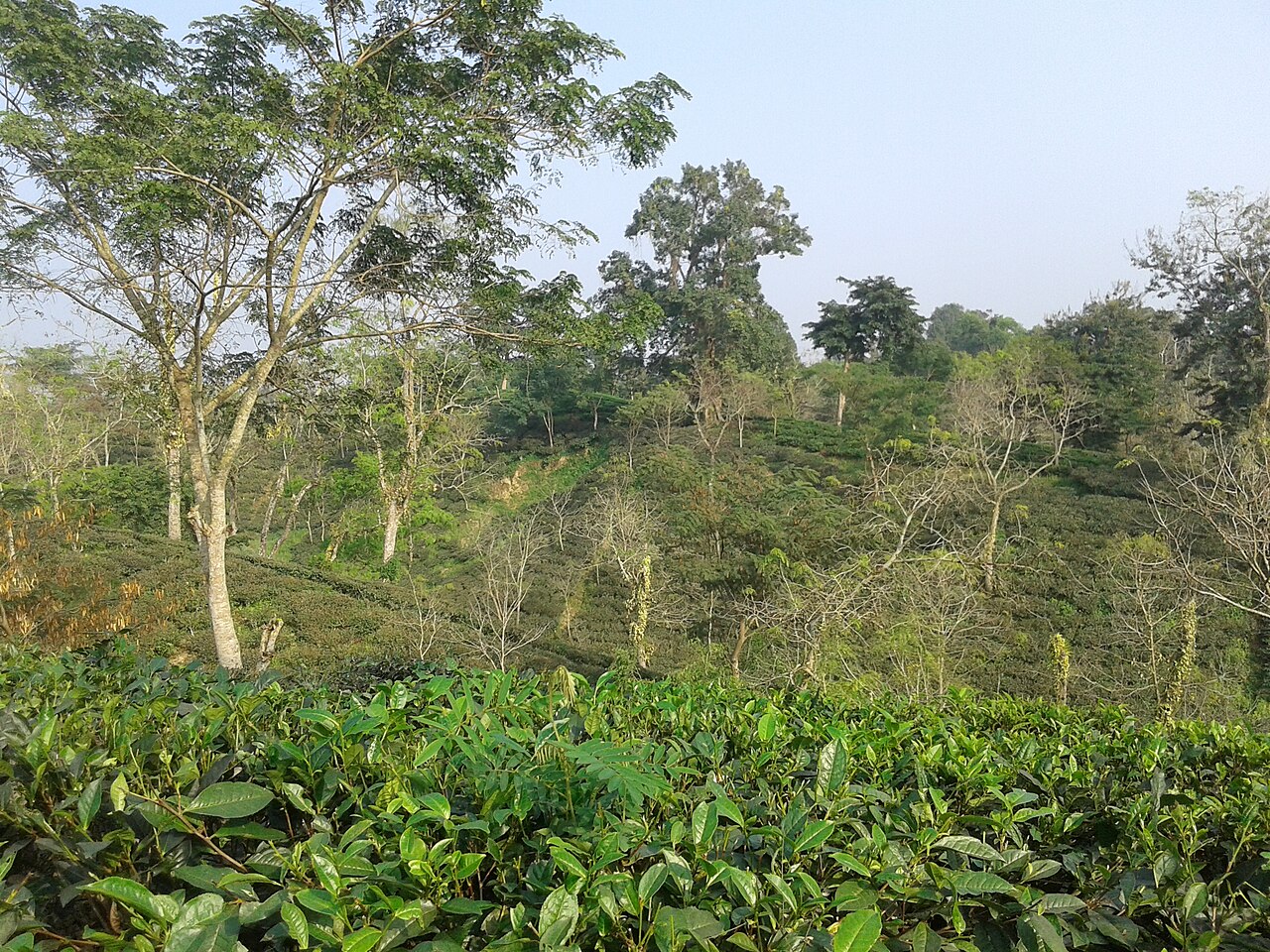
For World Tourism Day on 27 September, agricultural economist, former secretary and part-time BUFT faculty member Sikder Anwar wrote a column on agritourism for Chashabad. In his definition, agritourism links farm stays, picking fruit and crops, fishing, watching livestock being reared, buying local food and farm produce and enjoying rural culture to tourism. This year's theme for the day was reinventing tourism through digital technology and artificial intelligence.
He cites Italy as an example. Its statistics agency ISTAT counted 26,360 licensed agritourism businesses in 2024, 7.3 percent more than in 2019, with more than 4.7 million guests, about 17.2 million overnight stays and an output value of about 1.934 billion euros.
Agritourism, he argues, earns several incomes from the same land, cushions farmers against swings in crop prices, creates jobs in transport, lodging, guiding and digital marketing, and draws in women and young people. When visitors buy mangoes, lychees, honey, fish or vegetables on the farm, farmers depend less on middlemen. By his figures the country has about 18.68 million acres of cultivable land and some 800 tourist resorts, and the 2022 census found about 31.5 percent of people living in towns.
He proposes regional models: mango and lychee tourism in Rajshahi, Chapainawabganj and Dinajpur; tea in Sylhet and Moulvibazar; flowers in Jashore; haor agritourism in Sunamganj, Kishoreganj and Netrokona; hill farming in the Chittagong Hill Tracts; and rooftop farming in cities. The challenges he lists are farmers' lack of know-how, weak rural infrastructure, missing standards and licensing, and the risk that agritourism becomes an excuse to convert farmland and put up too many buildings.
His recommendations include declaring agritourism zones, easy loans or grants for entrepreneurs, joint training by the Department of Agricultural Extension and the tourism authority, a digital platform, quality certification, and a national agritourism strategy drawn up by the agriculture and tourism ministries together.
The views are the writer's own. The column was published by Chashabad.
Photo: SP Suhag Debbarma / Wikimedia Commons (CC BY-SA 4.0)
Source: Chashabad
Comments
(0)