
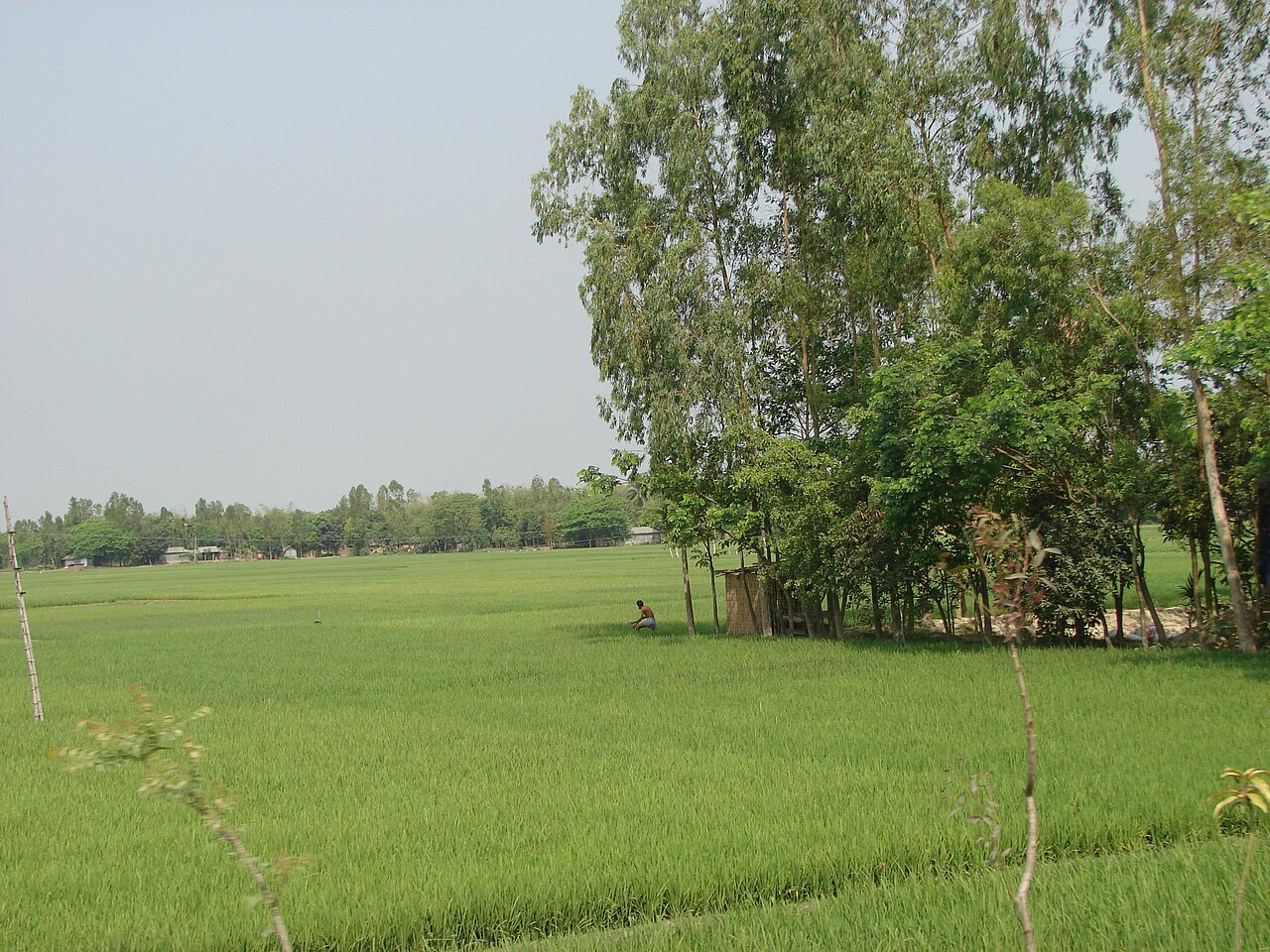
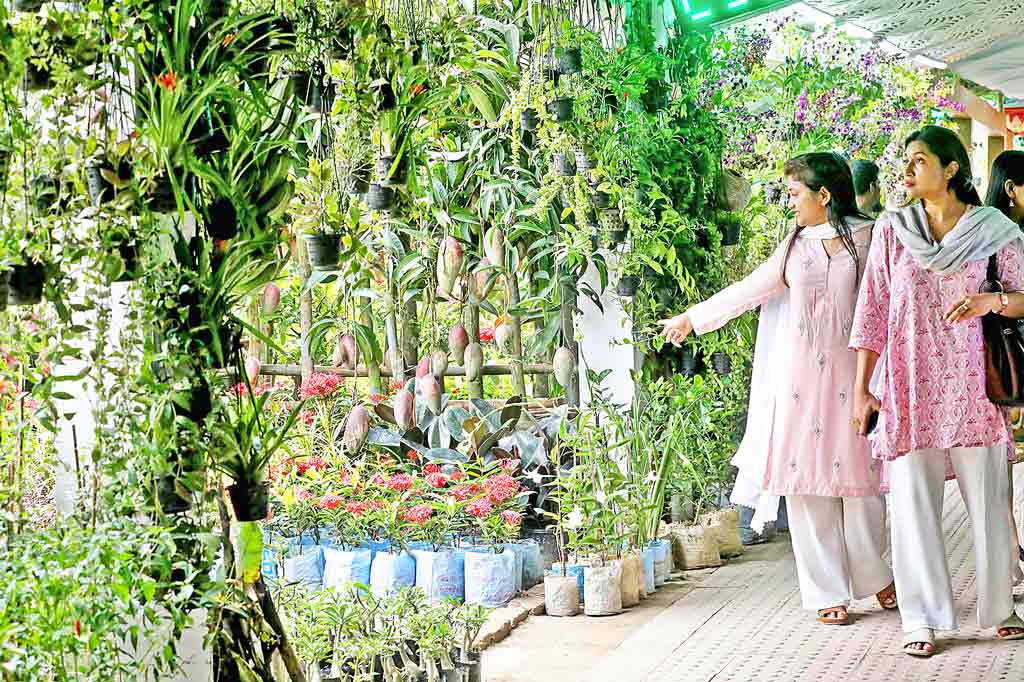
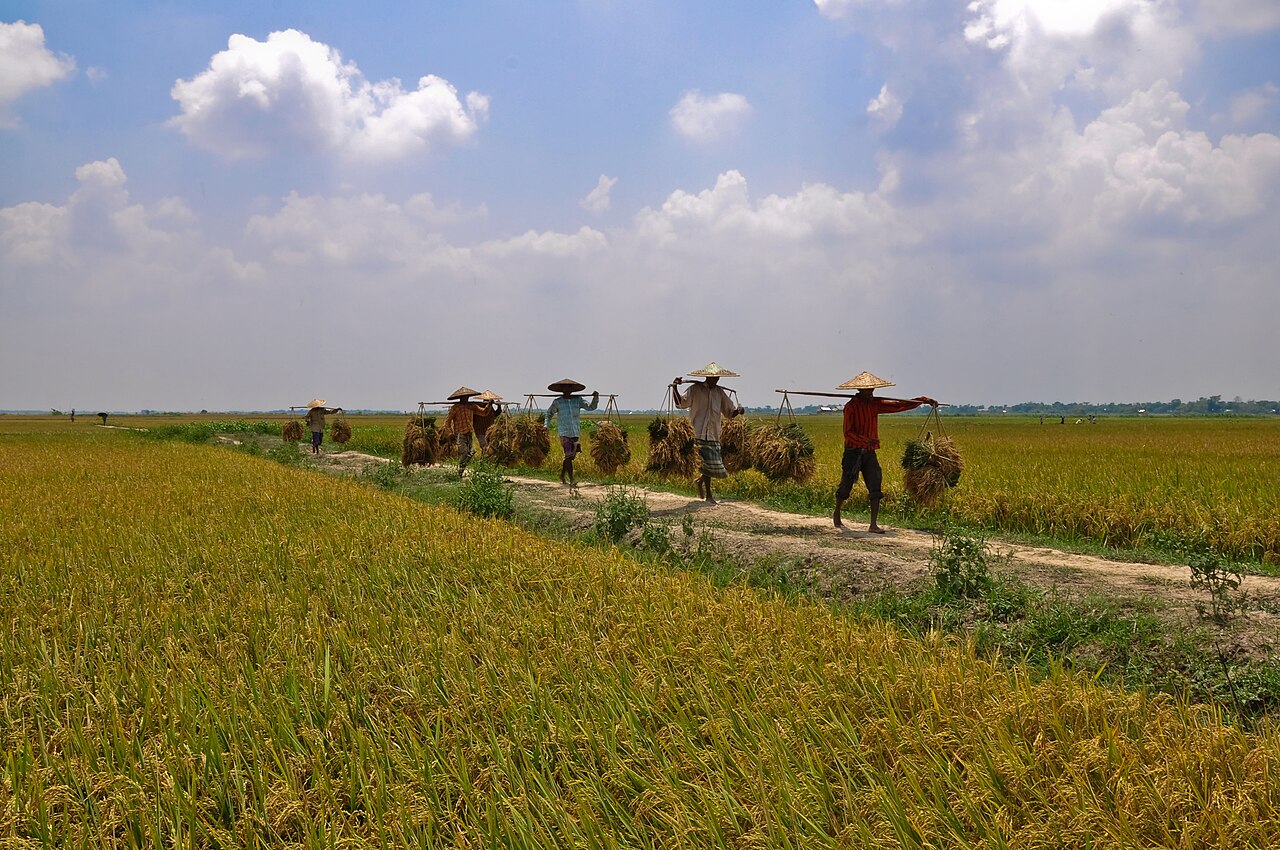
Writing on Daily Bangladesh's opinion page, Shariful Islam Roni says tourism is no longer only about hills, beaches and monuments: paddy fields, orchards, flower fields, fish enclosures and livestock farms are becoming destinations too, and Bangladesh does not need to reinvent itself to offer agritourism.
He cites examples abroad: agritourism in Italy dates from 1965 and more than 20,000 farms now take part; in New Zealand farmers began taking paying guests during the economic crisis of the 1930s. In Australia, the column says, visitors from the UK, China and the US spent about AU$1.08 billion on agritourism-related travel in 2024.
In his view the first customers in Bangladesh would not be foreigners but urban families in Dhaka, Chattogram, Sylhet, Rajshahi and Khulna who want their children to see rice plants, cattle farms or bees making honey. He notes that the national tourism policy already calls for developing rural, river-based and farm-based tourism as distinct products.
He imagines a village of 50 farming families where one opens a guesthouse, another serves local food, others run boats, act as guides, or sell bamboo goods and packed farm produce, so that the same land yields several incomes on top of selling rice.
He also warns of the risk: cutting farmland for resorts, pouring concrete and planting a few trees is not agritourism, and farming would disappear. The key to a successful model, he writes, is farming first and tourism second, with the farmer at the centre, local people as partners, and pressure on water, waste, noise and farmland kept under control. The views are the writer's own; this summary is The Agro News's.
Photo: Khairuzzaman / Wikimedia Commons (CC BY-SA 3.0)
Source: Daily Bangladesh

Comments
(0)