
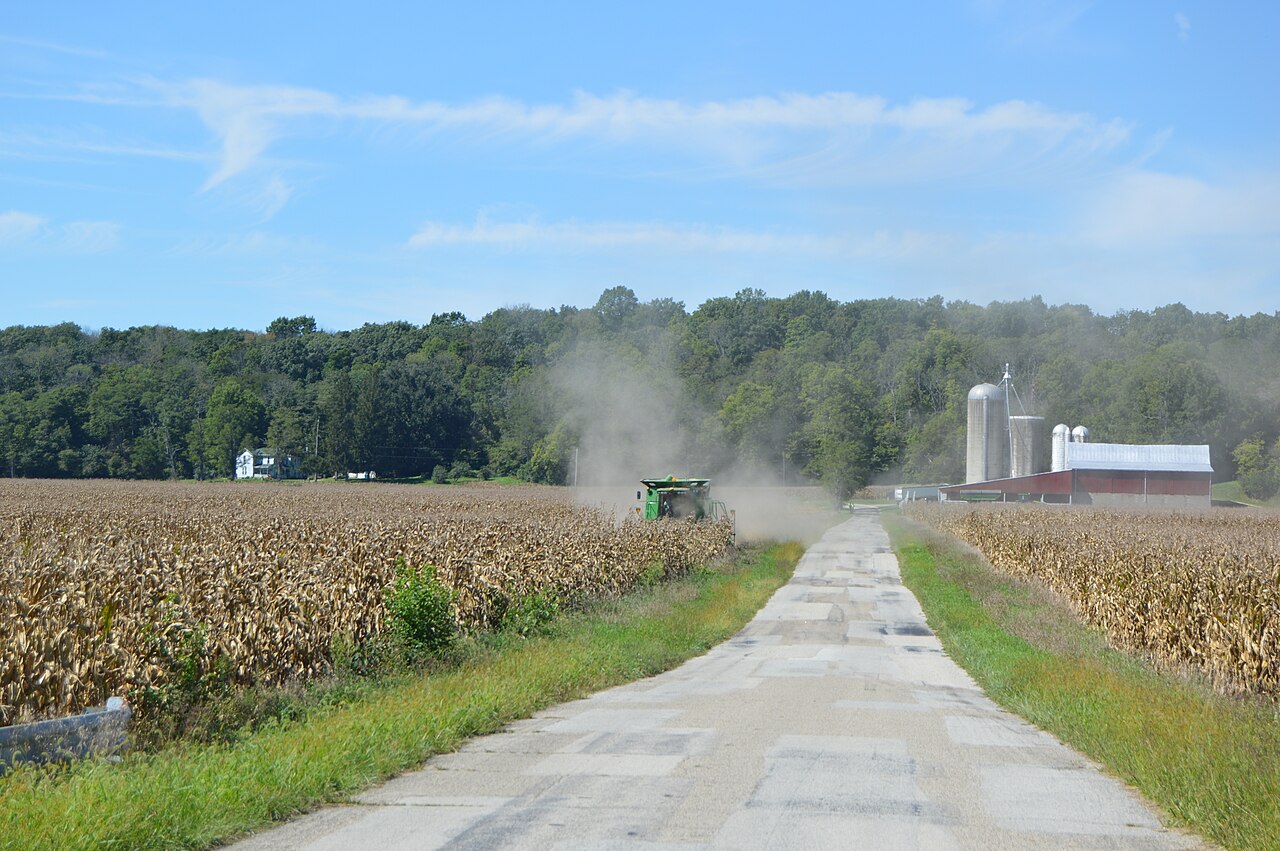
After several profitable years that built up working capital, tighter margins are forcing US grain producers to protect the cash they have left, Rudi Pitzer Perry, regional vice president of agricultural lending at Farm Credit Mid-America, told DTN. Production costs, interest rates and equipment expenses are squeezing cash flow. "We've burned through a lot of that liquidity the last two years," she said.
Liquidity is the first trend. Producers are watching break-even costs closely, cutting expenses, delaying equipment purchases and stretching machinery replacement schedules. Association of Equipment Manufacturers data for August show year-to-date sales of two-wheel-drive tractors down 12.3% from 2025, four-wheel-drive tractors down 24.4% and self-propelled combines down 9.1%.
Second, land values are holding up, which helps balance sheets but not cash flow. "Our land values have not only held but increased," Perry said, which is unusual in a downturn. Ohio State University's western Ohio study expects cropland values to range from a 0.1% fall to a 0.9% rise from 2025. Farm Credit Services of America puts Iowa cropland down 1.4% year on year, with values across its region flat overall and modest gains in Nebraska, South Dakota and Wyoming. High land prices also make it harder to get land, pushing some farmers towards variable cash-rent deals.
Third, ARC and PLC programme payments due to many commodity producers in October, which USDA officials unofficially estimate at more than $15 billion in total, can help restore liquidity. Perry advises against using them to buy machinery or other capital assets, and suggests paying down operating costs and payables or holding the cash instead.
Fourth, higher interest rates keep pressing on operating loans, which Farm Credit resets monthly, so a rise in the prime rate reaches borrowers within four to six weeks. Because farms carry more short-term debt than a few years ago, even a quarter-point rise matters more now. With fertilizer, fuel, seed and crop protection costs on top, Perry said, "it feels like death by a thousand paper cuts by the time you get to the end of the year."
The report is by Jake Zajkowski of DTN.
Photo: Nyttend / Wikimedia Commons (public domain)
Source: DTN / Progressive Farmer
Comments
(0)