
The Food and Agriculture Organization of the United Nations (FAO) has published a sourcebook that calls for a change in the way the world grows crops: higher productivity and resilience from fewer resources, with smaller crop losses and less pollution. The guide, released in Rome on 10 November, is titled "Optimization and Minimization: Towards sustainable plant production". FAO sums up its aim as "producing more with less for the betters".
The case rests on the weight that plant production carries. It provides more than 80 percent of the calories people eat and is expected to supply about 80 percent of the extra food needed by 2050. At the same time, farming faces linked demographic, environmental and climate pressures, and plant pests destroy up to 40 percent of global crop production every year.
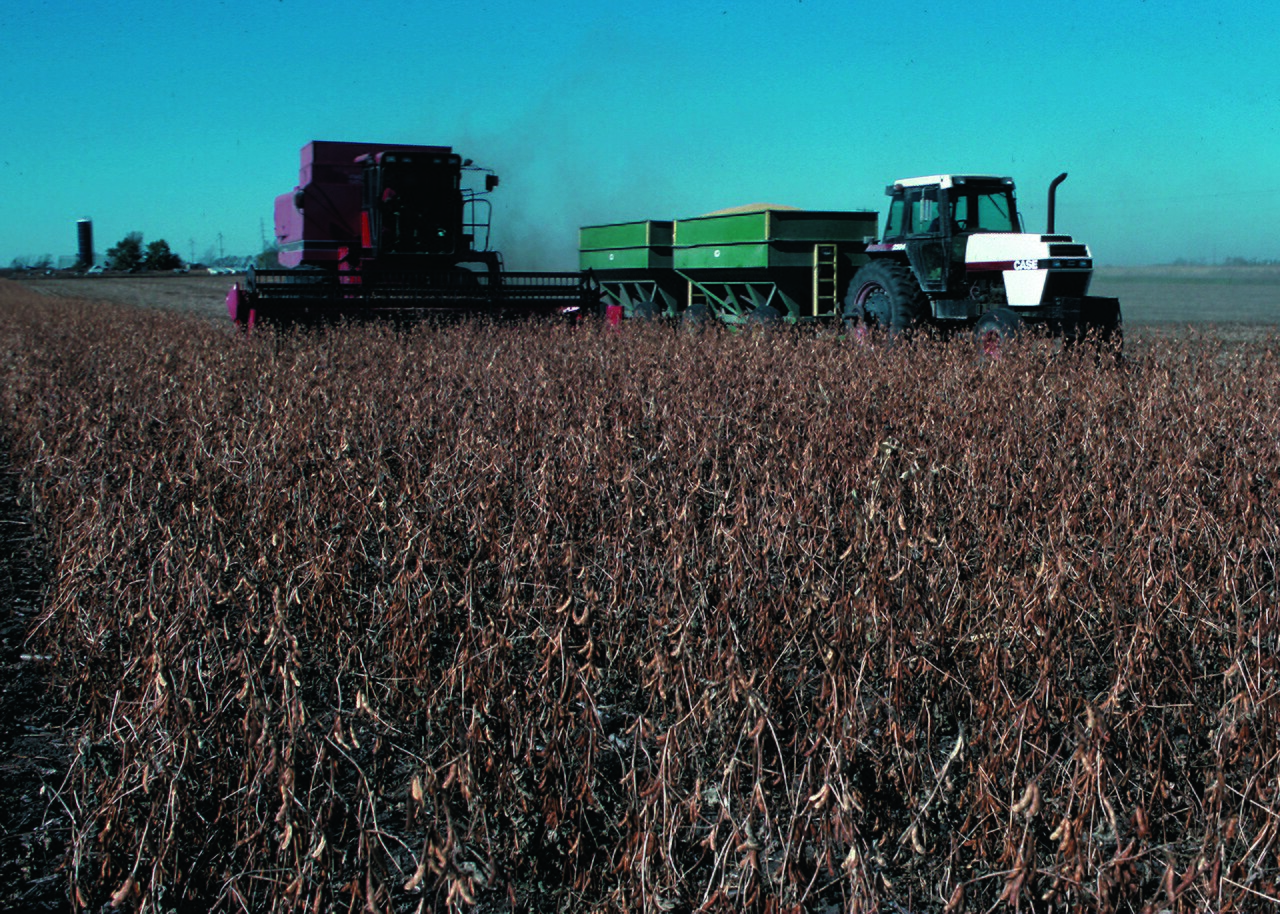
The sourcebook takes a systems approach that connects five areas: seed systems, cropping systems, integrated plant pest management, agricultural mechanisation, and agricultural extension and advisory services. Together, FAO says, they decide whether farmers can obtain suitable, good-quality seed, use science-based practices suited to local conditions, control pests while limiting unnecessary pesticide use, make better use of labour and other resources, and reach the knowledge, technology and skills they need. Its chapters also cover resource-use efficiency, pesticide management and digitalisation.
The guide is written for government officials and decision makers, farmers, people working in crop systems in industry, academia, research, civil society and grassroots groups, and development partners. FAO describes it as a practical reference for researchers, extension agents, farmers and policymakers who want cropping systems to be more sustainable, resilient and inclusive.
"A transition toward sustainable plant production is essential, one that optimizes productivity while preserving the environment," FAO Director-General QU Dongyu writes in the foreword.
The modular sourcebook is meant to support the shift to systems that produce more with less, as set out in the FAO Strategic Framework 2022-31, especially in low-input smallholder farming. That framework is built around four "betters": better production, better nutrition, a better environment and a better life. For smallholders, the practical message is that seed, pest control, machinery and advice work best when they are improved together, not one at a time.
Source: FAONewsRoom
Comments
(0)