
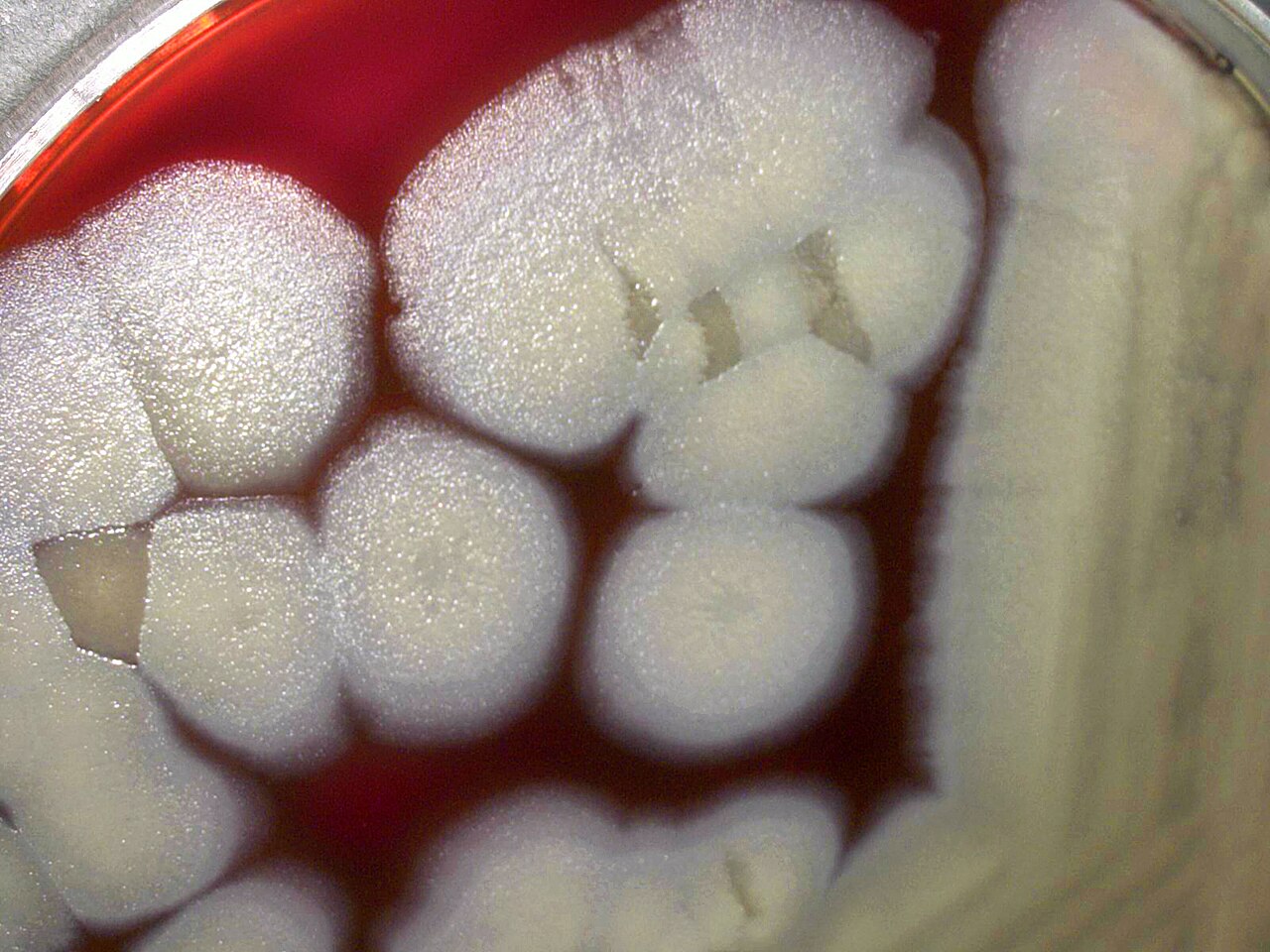
Brazilian farmers treated 37.2 million hectares with Bacillus-based biological pesticides in 2025, an area 391 percent larger than in 2020, according to a study by researchers at Embrapa Meio Ambiente, the Federal University of Rio Grande do Sul (UFRGS) and the market research firm Kynetec Brasil. The study was published in the Brazilian Journal of Microbiology in late September.
Sales grew almost as fast. Revenue from Bacillus products rose from about $114.3 million in 2020 to about $403.2 million in 2025, an increase of around 252 percent. Bacillus now accounts for 43 percent of the area treated with any biological control agent in Brazil, up from 34 percent, and 47 percent of biological control sales by value, up from 42 percent. Sales of all biological control agents reached about $855.7 million in the 2024-25 season, over close to 86.9 million hectares of potential treated area. The figures come from a Kynetec survey of about 16,000 farmers each season.
By December 2025 Brazil had 297 registered commercial Bacillus products from 42 companies, built on 126 bacterial strains. Bacillus amyloliquefaciens alone covers an estimated 13.87 million hectares. Bacillus thuringiensis, used mainly against insect pests, reached 4.2 million hectares, and products combining several strains a further 5.57 million hectares.
The products are applied as seed treatments, in the furrow at planting and as foliar sprays, against root-knot and root-lesion nematodes, anthracnose, white mould, grey mould, target spot, damping-off and powdery mildew, and in cyst nematode management. Roberto Lanna-Filho of UFRGS, a co-author, said the bacteria produce metabolites that act against fungi, bacteria and nematodes in several ways: attacking them directly, competing for nutrients and space, disrupting pathogen signalling and triggering the plant's own defences.
Embrapa researcher Wagner Bettiol, another author, said the growth had been continuous rather than driven by one product cycle, with treated area up 35 percent in the latest season alone. Cristiano Limberger of Kynetec said the data showed Brazilian growers steadily combining biological agents with conventional chemistry in disease and nematode programmes, rather than treating biologicals as a niche or experimental input.
Photo: Todd Parker, CDC / Wikimedia Commons (Public domain)
Source: Global Agriculture


Comments
(0)