
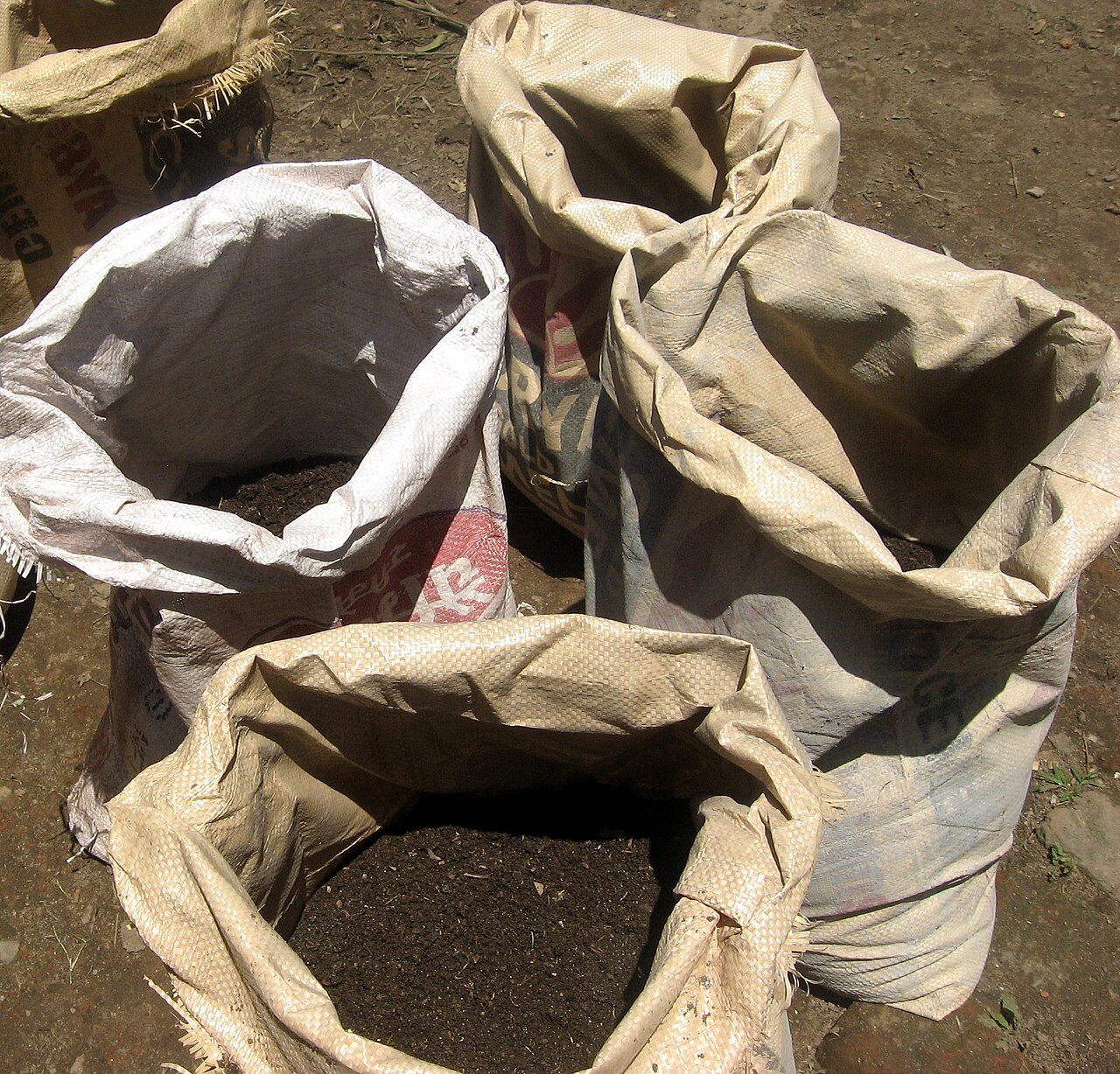
Krishiseba Agro Farms at Churkhai in Mymensingh is producing about 15 tonnes of vermicompost (earthworm compost) a month on a commercial scale and plans to raise output to 50 tonnes soon. Local farmers who use it report good results on crops and vegetables, and the agriculture department also buys from the farm.
Farmers usually make vermicompost in cement tanks. Krishiseba uses plastic crates instead; its founder, engineer Nurul Alam Rajib, says the method produces more compost in less space and less time. Compost is now made in 1,600 crates, and production on tables has started on a trial basis. A batch takes about 45 days.
The farm's staff were trained at the Rural Development Academy (RDA) in Bogura. Rajib then set up commercial production on two acres beside the Dhaka-Mymensingh highway, starting with 10 kilograms of earthworms brought from Bogura.
In July and August 2025 the farm sold 100 to 150 kilograms of compost a month; output is now about 15 tonnes a month. It sells in 50-kilogram bags at Tk 16 a kilogram and employs four workers.
Abdul Wadud, sub-assistant agriculture officer for the Churkhai area, said a vermicompost demonstration had been held at the farm and it now produces commercially. Farmers want the compost, he said, and vermicompost matters for soil health.
Small-scale vermicompost making by individuals is common, but commercial ventures are still few, and the Churkhai farm is helping meet local farmers' demand for organic fertiliser. The report is by Krishi Shomoy's Mymensingh correspondent.
Photo: Mousumi / Wikimedia Commons (CC BY 3.0)
Source: Krishi Shomoy


Comments
(0)