
Laura Freeman, a seventh-generation Kentucky landowner who built and in 2008 sold the organic brand Laura's Lean Beef, is building a second beef business around regenerative farming and an ordinary supermarket price.
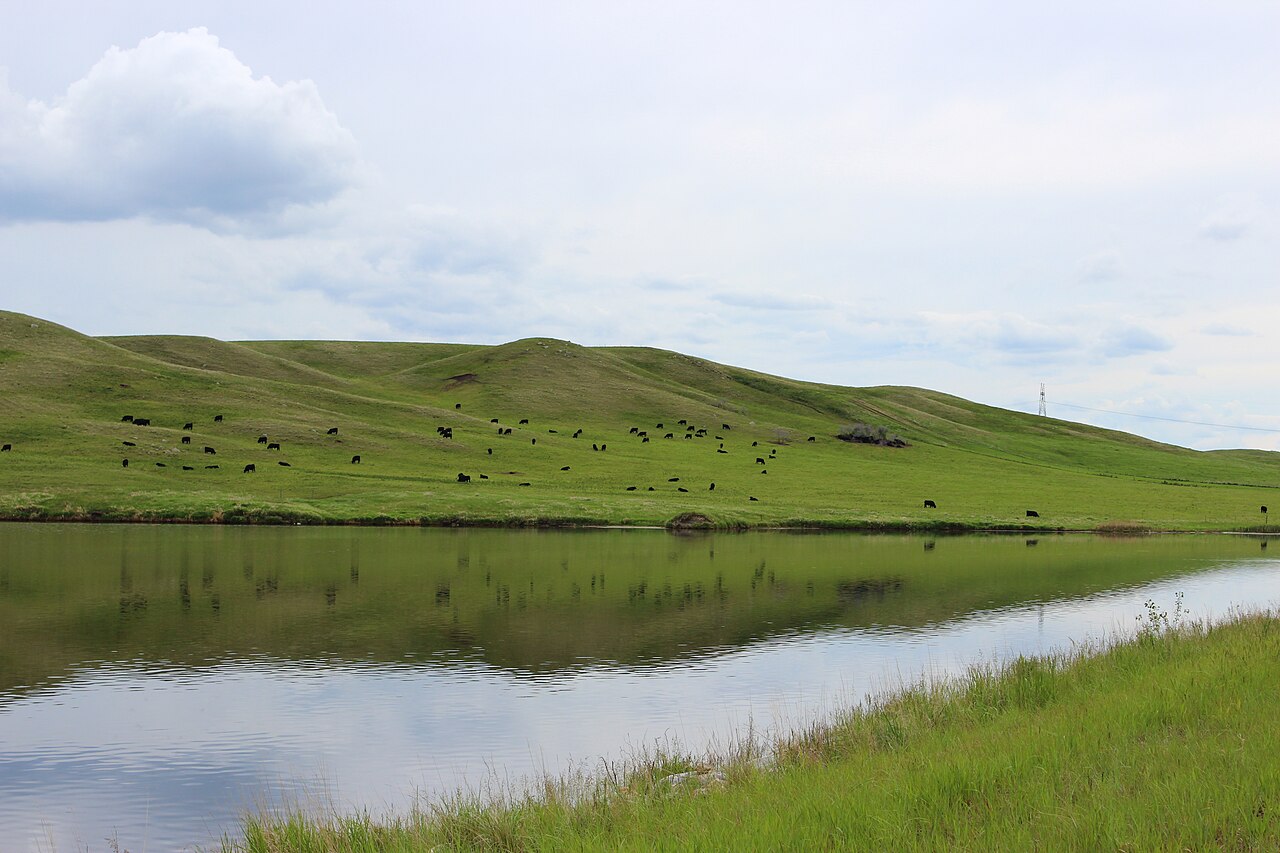
Mt. Folly Enterprises, incorporated in 2017 in Winchester, Kentucky, runs the Mt. Folly beef brand and a farm-to-bottle distillery, Regeneration Distilling Co. Mt. Folly Farm covers 1,500 acres of organic land in row crops and Angus cattle, which are raised on pasture and fed grain on grass. The beef is certified under the Savory Institute's Ecological Outcome Verification, which measures the health of grasslands and livestock systems, and each animal has at least one acre to graze, sometimes nearer two.
Its 80/20 and 90/10 ground beef is sold in Kroger stores across Kentucky, southern Illinois and southern Indiana. Freeman said the company made sure retailers would not take a higher margin on what they see as beef for the rich. "Our ground beef is $7.99," she said. Price is the main reason shoppers buy: in a Zappi survey of 2,000 US consumers this year, 70% named it their main purchase driver.
She is building the brand in a hard year. The US beef herd fell to 27.9 million head in 2025, its lowest in 56 years and far below the 45.7 million of 1975, according to USDA figures. Much of Kentucky is dry or in drought, according to the US Drought Monitor of 5 November, and Freeman said many feedlots have closed.
Processing is another obstacle for a young brand. Slaughtering and processing one animal used to cost $300 to $400 and can now cost almost $1,000, Freeman said. Shelves are also more crowded than when she started. "I kind of invented branded beef, but now if you walk in the grocery store, there are eight brands," she said, adding that social media has replaced the traditional press as the way to reach buyers.
Photo: Krista Lundgren, USFWS / Wikimedia Commons (Public domain)
Source: AgNavigator

Comments
(0)