
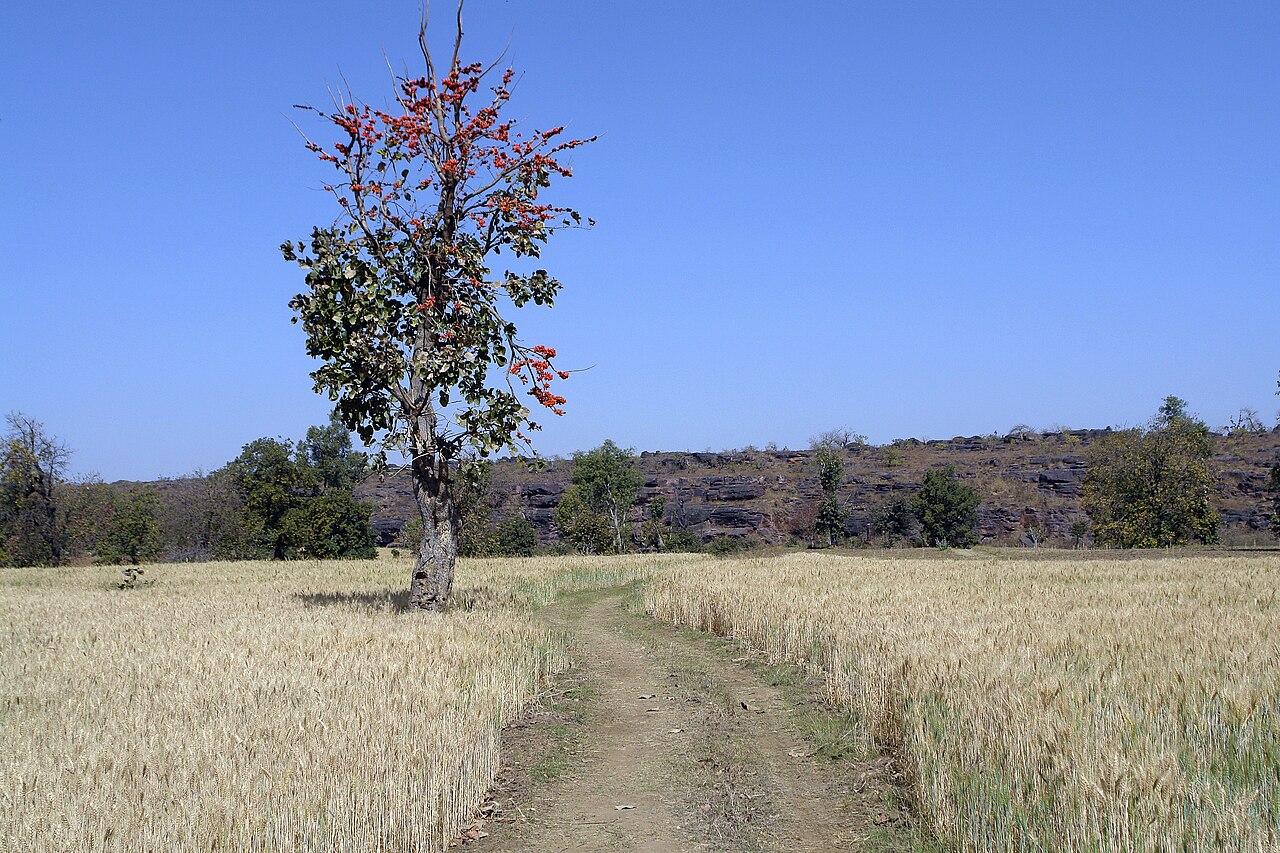
India is likely to sow a record area of wheat in the 2026-27 rabi season, but the size of the 2027 harvest will depend on the weather over the coming months, particularly the possible effect of El Niño in April and May, the Food and Agriculture Organization of the United Nations (FAO) says in its latest Crop Prospects and Food Situation report.
Sowing for the 2027 crop is under way in India and elsewhere in the Far East in broadly favourable soil moisture, the report says. The crop, mostly irrigated, will be harvested between March and June. FAO attributes the expected rise in area to policy support, in particular the minimum support price (MSP) offered to farmers and fertiliser subsidies.
India's wheat output has been rising. It reached 117.19 million tonnes in 2025 and an all-time high of 120.7 million tonnes in 2026, well above the 111.8 million tonne average of the previous five years.
Elsewhere in the region, prospects differ. China, the largest producer, is expected to keep its wheat area close to the five-year average. Pakistan could plant more, because exceptionally high domestic wheat prices are likely to improve returns, and several smaller producers are expected to expand sowing as demand for wheat-based foods grows.
FAO warns that a large area will not by itself guarantee a record crop. El Niño is generally linked to above-normal rain from October to April in several important wheat areas, including the Korean Peninsula, central and eastern mainland China, central and northern Pakistan and much of Afghanistan. Extra rain can help by replenishing soil moisture, but too much can cause local flooding and damage standing crops.
In mountainous and colder areas, much of the extra precipitation may fall as snow. A good snow cover can insulate winter crops against frost, and its melting in spring can raise soil moisture and refill reservoirs, giving more water to spring and summer crops in 2027. For wheat farmers across South Asia, the report's message is that the sowing decisions are made now, while the outcome rests on weather that will not be known until spring.
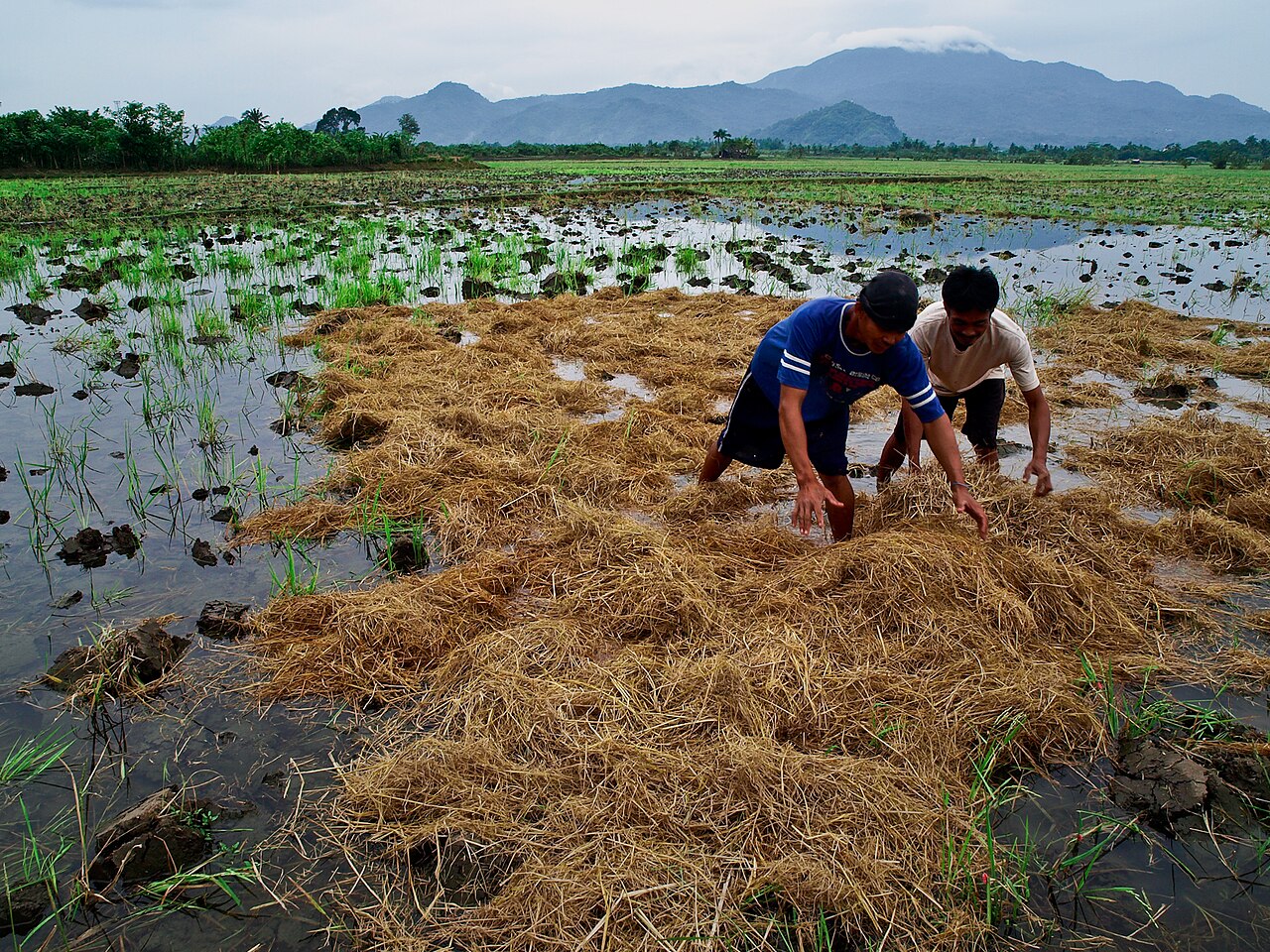
Photo: Yann / Wikimedia Commons (CC BY-SA 4.0)
Source: Rural Voice
Comments
(0)