
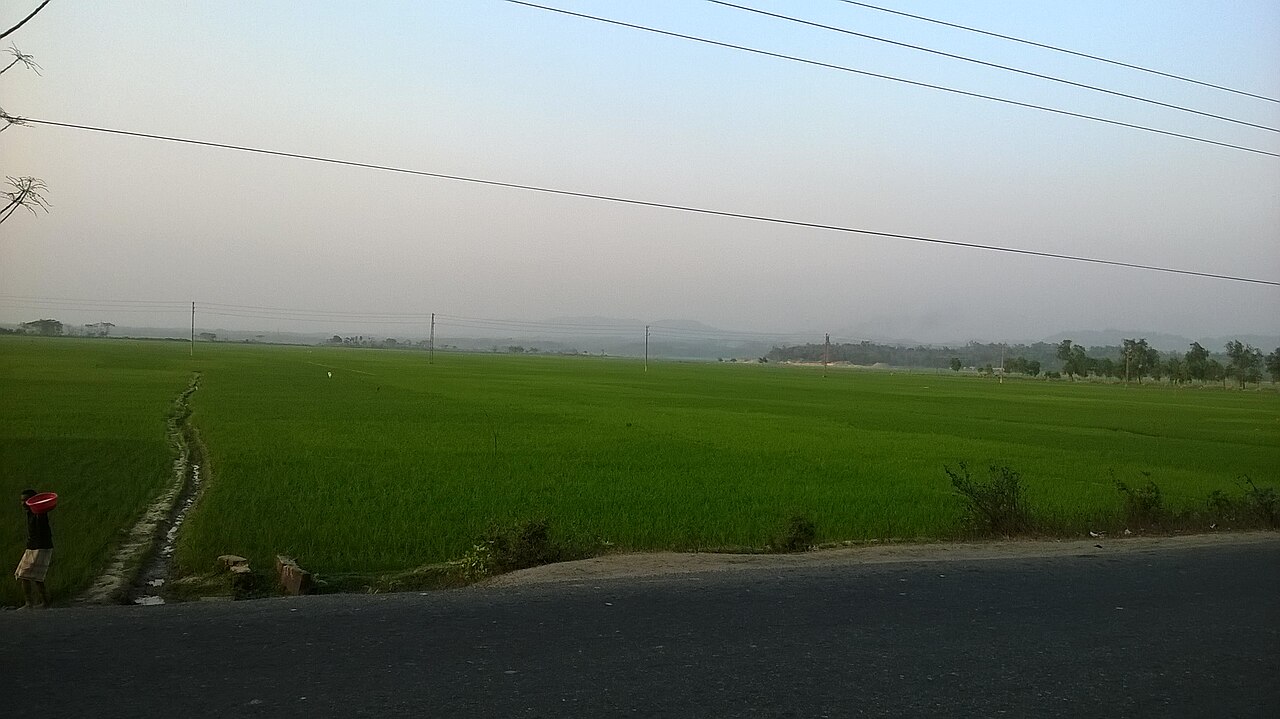
Drought brought by El Niño is drying out rice fields in Cambodia, and a satellite warning system run by the Food and Agriculture Organization of the United Nations (FAO) is helping farmers prepare before the losses arrive, FAO reports.
"I have never experienced a drought this long in my life," said Sokhoeun Chhut, a 45-year-old farmer in Siem Reap province. "This year is definitely a loss. It's all scorched." Across South and Southeast Asia, El Niño is delaying the monsoon and intensifying drought, and the World Meteorological Organization expects this event to peak in late 2026 and into early 2027.
In June, FAO's Agricultural Stress Index System (ASIS), which draws on 41 years of satellite observations of croplands, identified Cambodia as at high risk of severe drought during this El Niño and estimated that 127,300 hectares of farm and pasture land were likely to be affected. Cambodia has been hit before: in the 1997-98 El Niño the government appealed for about 250,000 tonnes of rice for drought-hit people, and the 2015-16 event affected around 2.5 million people in 18 provinces and cut rice and fish production.
On the ground, the PEARL project, run by FAO with the Cambodian government and financed by the Green Climate Fund, combines climate information, early warning and practical measures. Through Farmer Field Schools and demonstration plots, farmers learn to use cover crops to keep moisture in the soil, field dikes to hold water and adjusted planting calendars. Bulletins from the Cambodia Agrometeorological Service, sent through social media and a local mobile app called Chamka, pair the rainfall forecast with advice on when to irrigate and when to hold off. More than 4,000 farmers receive them.
Sokhom Kha, who has farmed in Preah Vihear province since 1987 and grows organic rice, cassava and cashews, knew ten days in advance this season that rain would not come. "They advised us to close the field dikes and store water at a certain height. Now, the fields with proper dikes have fewer weeds, which reduces our losses significantly," she said. Forecasts also tell her when to delay harvesting so that cut paddy is not soaked by rain.
"By monitoring drought stress across croplands, ASIS gives governments and farmers time to protect livelihoods, safeguard food supplies and act before losses become irreversible," said Jorge Alvar-Beltrán, an FAO natural resources officer. FAO is helping countries in Latin America and Asia adapt ASIS to their own crops and calendars, and more than 10 countries already run a national version. FAO notes that the same El Niño is also delaying the monsoon across South Asia.
Source: FAONewsRoom
Comments
(0)