
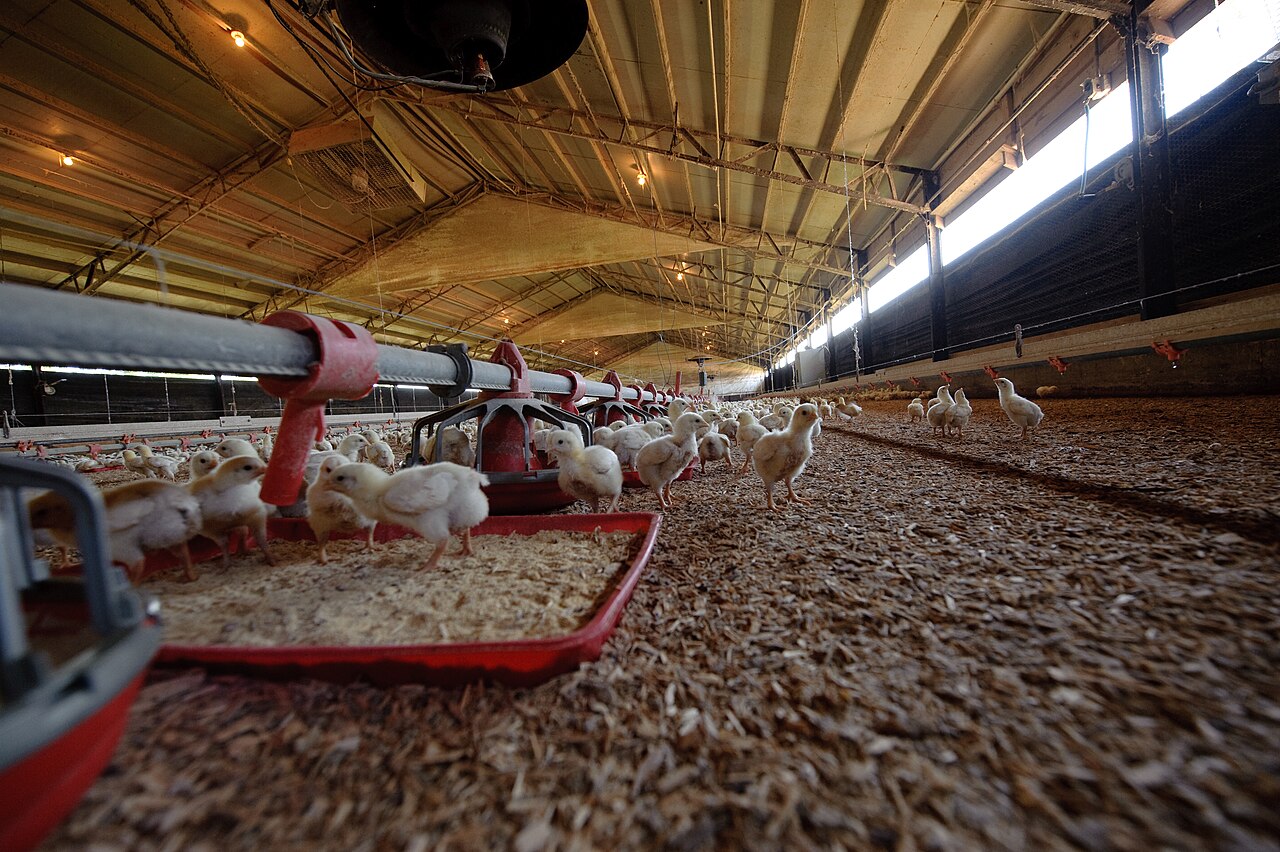
The European Commission has adopted uniform operating rules to reduce ammonia, nitrogen and phosphorus emissions from poultry and pig farms. The Commission links these pollutants to respiratory disease, damage to ecosystems and contaminated water.
The rules, called UCOL (Uniform Conditions for Operating Rules for the rearing of poultry and pigs), sit under the EU's Industrial and Livestock Rearing Emissions Directive. They give livestock farmers a framework that avoids the complexity of full industrial permitting.
UCOL was drawn up with member states, livestock producers and environmental groups, and replaces a patchwork of national approaches with common minimum standards. The Commission says this cuts red tape while keeping a high level of environmental protection and supports fair competition in the single market.
The rules concentrate on how a farm is run: manure handling, feeding and nutrition, and animal housing. Farmers can choose which techniques to use as long as they meet the required standards, and smaller farms will face proportionate techniques and emission limits. Feeding strategies are given priority, which the Commission describes as economically feasible for smaller and existing farms.
Techniques not listed in UCOL may also be used if a member state confirms, on scientific evidence, that they perform as well for the environment. The Commission says this is meant to encourage innovation. The rules will apply to farms between 2030 and 2032, depending on their size.
Photo: USDA NRCS Texas / Wikimedia Commons (Public domain)
Source: The Poultry Site

Comments
(0)