
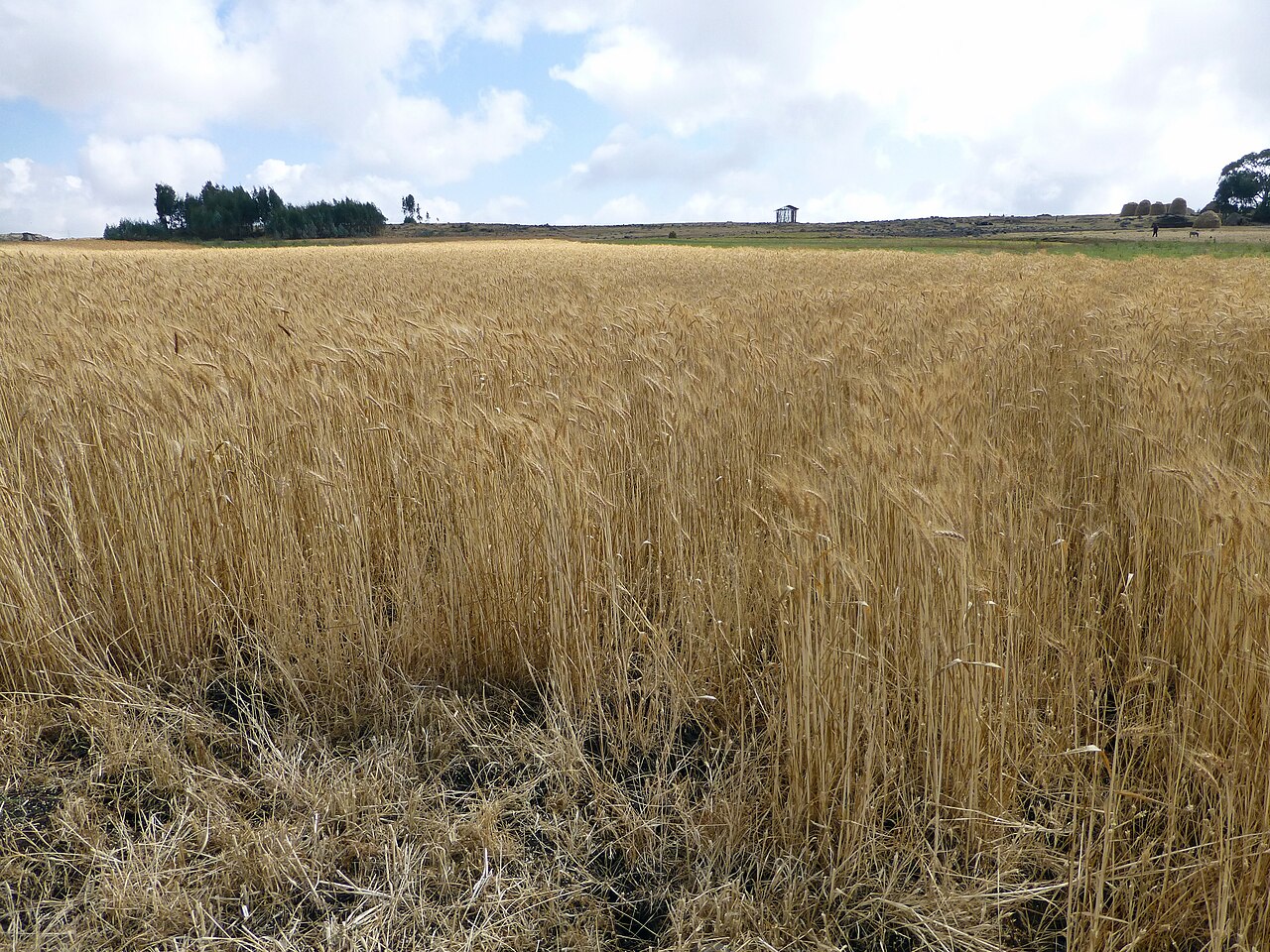
A multi-year experiment at more than 600 locations across Ethiopia's three main wheat belts shows that combining a zinc-efficient wheat variety with targeted fertiliser management can raise both grain yield and grain zinc, a route to tackling "hidden hunger" from micronutrient deficiency.
The study looked at three interacting factors: the variety's genetics, the soil's zinc status and how zinc fertiliser is applied, using Bayesian modelling to estimate the probability of hitting yield and zinc targets. "The key question is not simply whether zinc fertilizer works, but where it works, with which variety and under what management conditions," said CIMMYT systems agronomist Tesfaye Shiferaw Sida.
The zinc-efficient variety Melka showed a genetic advantage in both yield and zinc accumulation even without extra zinc fertiliser. On zinc-deficient soils, the probability of reaching both high-yield and high-zinc targets rose from near zero for conventional wheat to more than 27 percent for Melka. "Genetics gives us a strong starting point," Sida said, with management building on that advantage.
Photo: Ji-Elle / Wikimedia Commons (CC BY-SA 3.0)
Source: AgroPages


Comments
(0)