
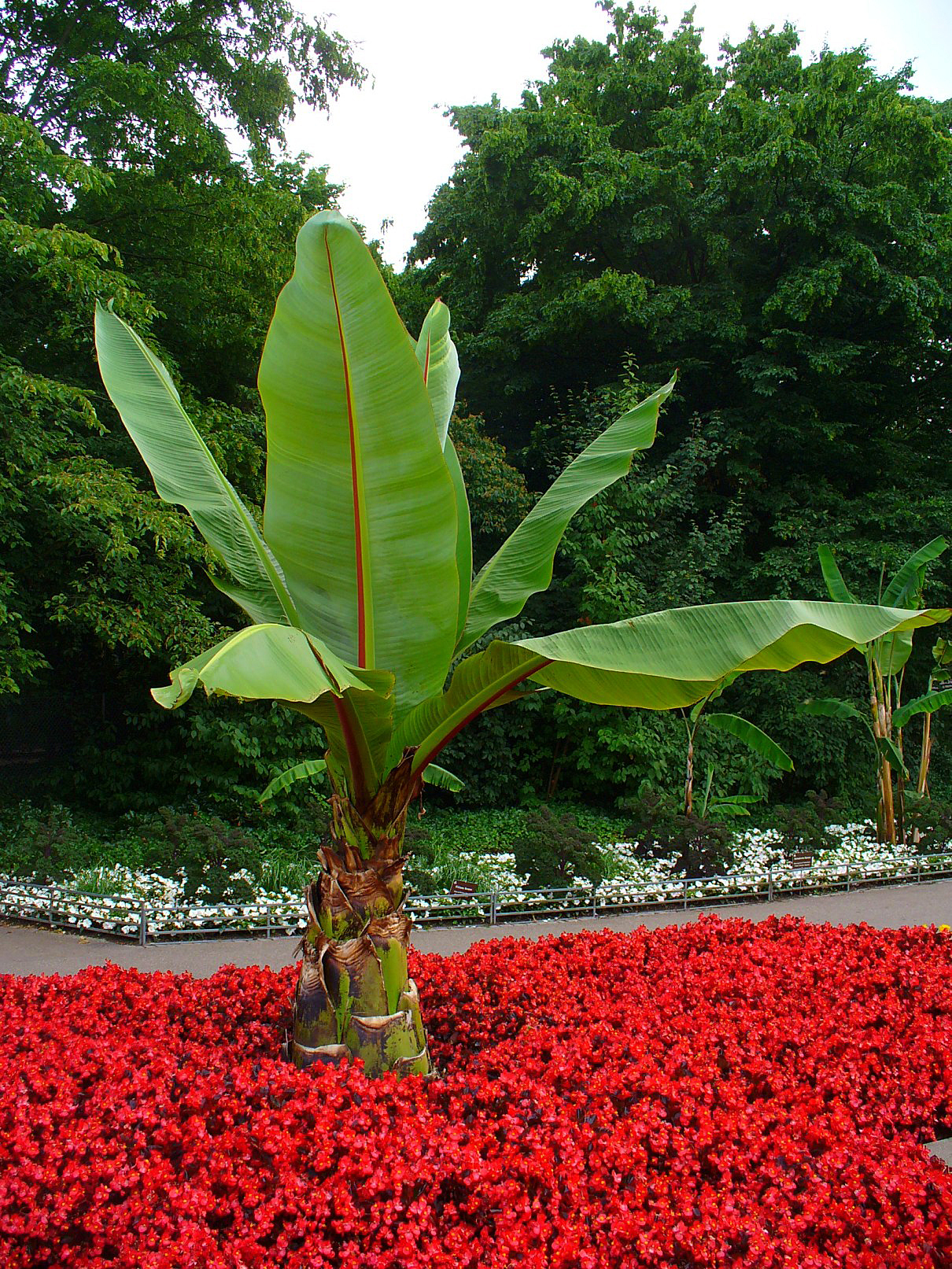
A single plant that survives drought and could fill millions of stomachs: enset, also called the 'false banana', is known in Africa as 'the tree against hunger'. Almost every farmer in Ethiopia's Kafa region and some other areas grows it, yet in neighbouring Kenya, Tanzania or Uganda hardly anyone has heard of it, Kolkata's Ei Samay reports.
According to Paul Borrell, a researcher at the Royal Botanic Gardens in London, Ethiopia's strict laws are the biggest barrier. After a legal fight with a Dutch company over its national grain, teff, Ethiopia guards the seeds and material of its traditional plants closely. Citing a CNN report, the paper writes that wild enset can be gathered elsewhere in Africa, but it yields almost no edible or nutritious material.
The second barrier is processing. Turning the plant into food is hard labour that Ethiopia's women farmers have done for centuries; machines to make the work easier are being tried but are not yet widespread. The plant is cut, fermented and processed into kocho, eaten like bread, and its unfamiliar taste has also limited its appeal abroad.
As the world faces more drought and heat with climate change, experts consider drought-tolerant crops like enset very valuable. But some young Ethiopian farmers are turning to wheat and maize, so enset cultivation is falling, and researchers from the Royal Botanic Gardens in London are working with Ethiopian scientists to encourage local growers.
Photo: H. Zell / Wikimedia Commons (CC BY-SA 3.0)
Source: Ei Samay

Comments
(0)