
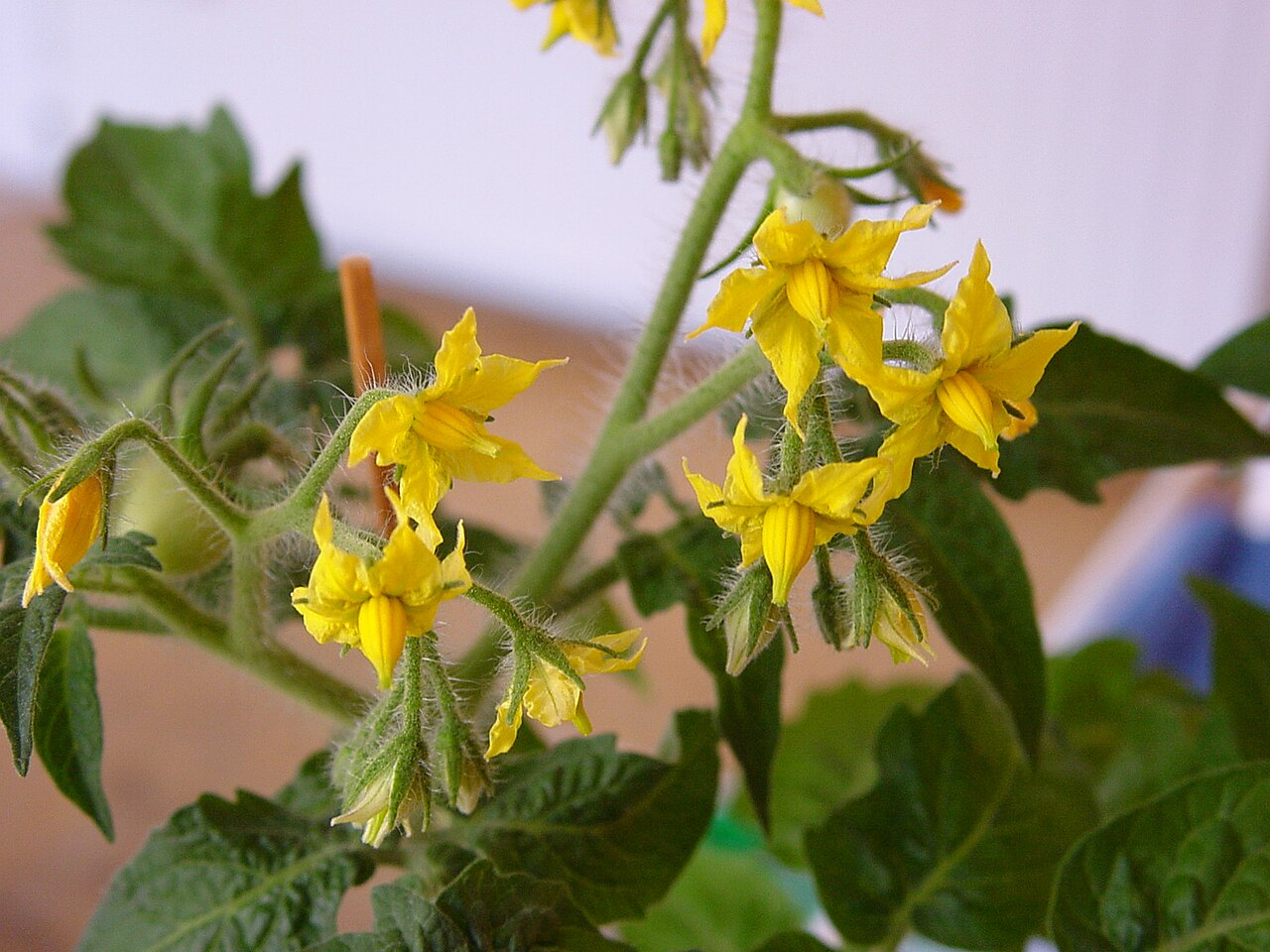
The US Environmental Protection Agency has completed its registration review of 4-CPA (4-chlorophenoxyacetic acid), a plant growth regulator widely used to help tomatoes and some other fruiting vegetables set fruit, ending a process that began in 2014, Global Agriculture reports.
EPA's notice of availability for the final decision is dated 23 September 2026 and was scheduled for publication in the Federal Register on 28 September under docket EPA-HQ-OPP-2014-0544. The action is handled by chemical review manager Christian Bongard in EPA's Office of Pesticide Programs.
4-CPA is a synthetic auxin-type regulator, chemically related to the phenoxy herbicide family that includes 2,4-D but used at very different rates and for a different purpose: to induce flowering and fruit set, most often in tomatoes, reducing blossom drop and steadying yields when pollination or temperatures are poor. It is a narrow, minor-use product, but it matters to growers of protected and open-field tomatoes.
Under US pesticide law (FIFRA), EPA must review every registered active ingredient at least once every 15 years. For 4-CPA it opened the docket in 2014, issued a proposed decision on 22 July 2025 and took comments until 22 September 2025, finalising its decision about a year later.
The Federal Register notice announces the decision but not its findings, such as any label changes or use restrictions; EPA says the rationale is in the supporting docket. Global Agriculture notes that no independent analysis of those terms was yet available, so growers and registrants should check the docket for any changes that affect them.
Photo: Niek Willems / Wikimedia Commons (CC BY-SA 2.5)
Source: Global Agriculture


Comments
(0)