
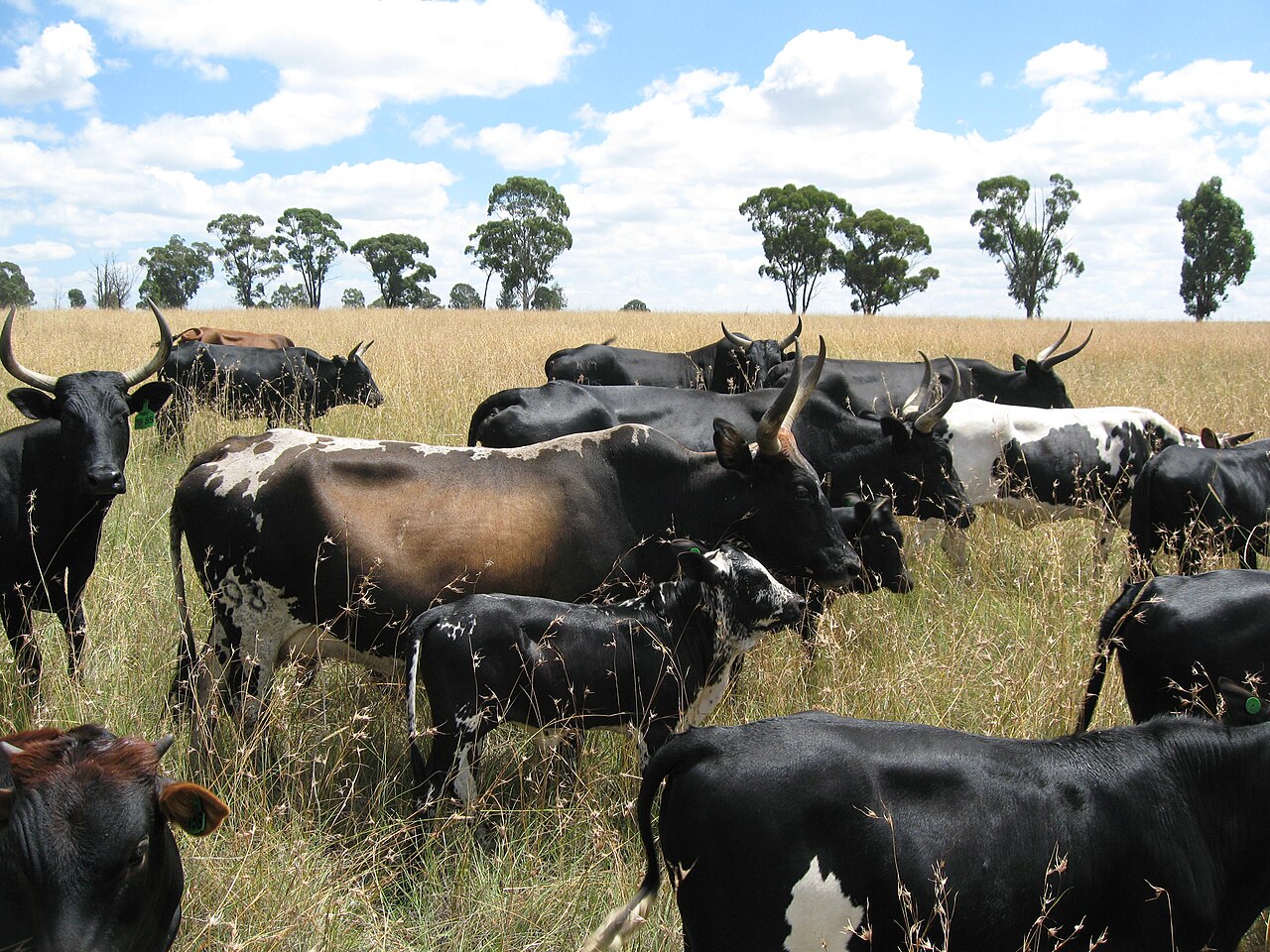
South Africa's livestock farmers are heading into the breeding period for the 2026/27 summer under an El Niño outlook that could make it harder. El Niño usually brings below-normal summer rainfall and higher temperatures, and less grazing and water could hurt body condition, fertility and next season's calving.
The department of agriculture says good rainfall in the 2025/26 summer lifted dam levels and soil moisture across most summer-rainfall areas, but the Seasonal Climate Watch indicates El Niño is under way and expected to last through 2026/27, with many areas seeing below-normal rain. It warns that dry conditions and heat stress can contribute to livestock deaths where risks are not managed, and can bring water restrictions and more pests and disease.
Ashell Maenetja, livestock technical adviser at Red Meat Industry Services (RMIS), said planned breeding should, where practical, coincide with peak natural grazing and seasonal rainfall. He advised that heifers reach 60% to 65% of their expected mature weight before breeding, and that cows and bulls have a body condition score of 3.5 at the start of mating; heifers at target weight can be bred about a month before the main herd.
Because veld quality varies, he said, farmers should assess nutritional needs first; protein and strategic energy supplements may be needed, and phosphate lick can complement summer grazing. He recommended injectable trace minerals four to six weeks before breeding, combined with scheduled vaccinations where practical, and pre-breeding vaccinations about 30 days ahead, following the product instructions carefully where pregnant animals are present.
Bulls should have a veterinary breeding soundness evaluation, and newly bought bulls should be on the farm two months before breeding because sperm production takes about six weeks. Internal parasites, ticks and mites should be controlled with an area-specific programme. Agricultural economist Wandile Sihlobo said the late-September rain improved soil moisture but does not change the season's prospects, though the starting position is better than in the 2014-2016 drought, when cattle deaths were reported in parts of the Eastern Cape.
The report was written by Patricia Tembo for Food For Mzansi.
Photo: Justinjerez / Wikimedia Commons (CC BY-SA 3.0)
Source: Food for Mzansi

Comments
(0)