
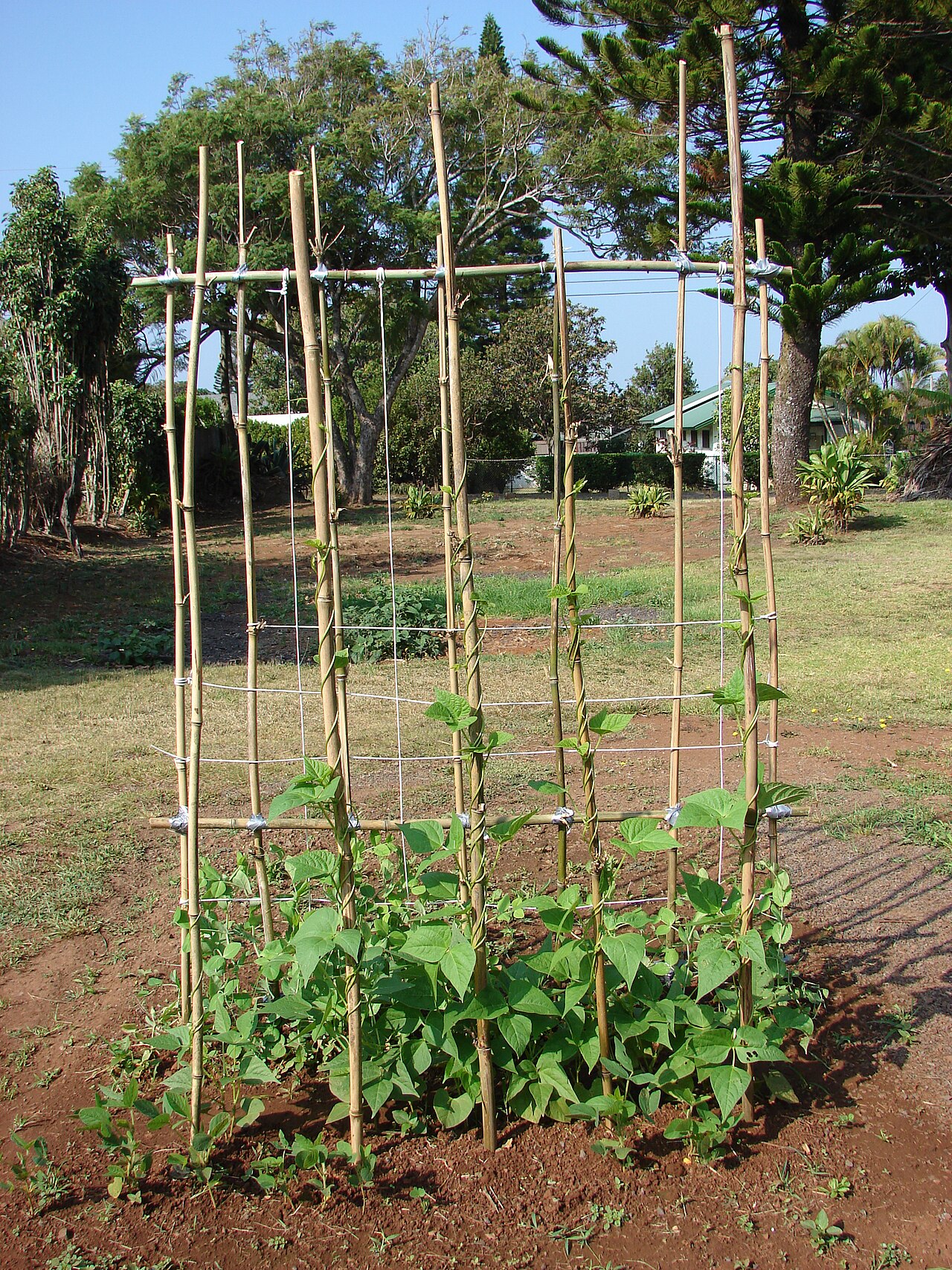
The toughest edible bean in Manitoba will not necessarily cope with Saskatchewan drought or Ontario heat, so bean researchers in Canada and the United States have joined forces in an international resiliency trial, the Manitoba Co-operator reports. Thirty edible bean lines are being tested at Morden in Manitoba, Saskatoon in Saskatchewan, Harrow in Ontario and two Red River Valley sites in North Dakota, Hatton and Prosper.
The partners are the Manitoba and Saskatchewan pulse grower groups, Agriculture and Agri-Food Canada (AAFC) and North Dakota State University (NDSU). Manitoba Pulse and Soybean Growers pushed for the study, led by its former executive director Daryl Domitruk, because the dry bean industry is growing and because separate breeding programmes in Saskatoon, Morden and Fargo could achieve more together. Manitoba usually ranks as Canada's second-largest bean region; AAFC expects it to supply 39 percent of this year's harvest, tied with Ontario. In 2025 insured bean area in Manitoba was 206,416 acres, with yields 20 percent above the year before.
The regions face opposite risks. Manitoba and North Dakota often have too much water, and beans dislike waterlogged soils, especially on heavy Red River Valley clay; they are also sensitive to salinity, cold soils at seeding and early frost. Further west, drought and heat waves can abort flowers and cut yield. At Morden each line is grown with and without irrigation, one half receiving an inch of water a week, and plots are not sprayed with fungicide so that natural disease pressure shows which lines carry genetic resistance; the North Dakota plots are all dryland.
Excess moisture is the focus of NDSU breeder Juan Osorno, whose greenhouse screening floods plants for about ten days. "Some of them are able to withstand seven or 10 days of just complete submergence," he said, so that "the farmer can have a crop later on." Jamie Larsen, a breeder at AAFC Harrow, said work there suggests longer-season varieties may resist heat better because their flowering is spread out, though that may not suit the short Prairie season.
The trial has just finished the first year of three, with an option to extend. The aim, the breeders say, is not only to recommend existing varieties but to find lines with valuable traits that can become parents in future breeding.
Photo: Forest and Kim Starr / Wikimedia Commons (CC BY 3.0)
Source: Manitoba Co-operator

Comments
(0)