
An innovation can reach a million farmers and still change very little, participants heard at three World Food Day sessions on 20 October hosted by the Netherlands Food Partnership with CGIAR. Dutch and international partners discussed how farm innovations last beyond a project, what agricultural research returns, and who gains.
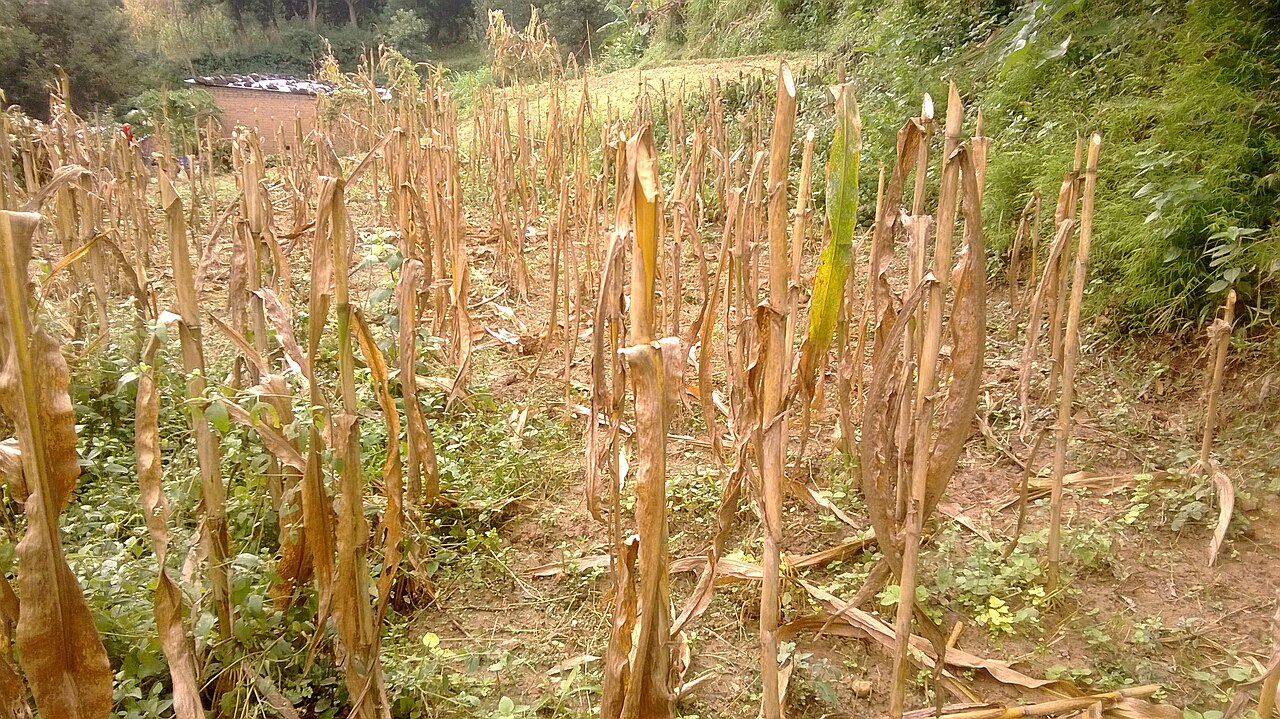
Evan Girvetz of the Alliance of Bioversity International and CIAT said scaling means validated innovations in continued use, kept going by suppliers, service providers and public agencies that have reasons to deliver them. CGIAR's Scaling for Impact programme runs 19 Solution Tracks that tie innovations to specific demands, places and partners, and moves money away when the prospects of scale are weak. In Nepal's western Terai, a US$5.25 million maize buyback agreement backed by bank credit links farmer cooperatives to a private buyer, with drying and grading facilities, although machinery and irrigation remain constraints. In Kenya, the meteorological department owns the forecasts behind a digital climate advisory service, counties support extension and private partners deliver it.
A second session heard emerging findings from an assessment by Rui Benfica of IFPRI and Nina Mennies of Wageningen University & Research for the NL-CGIAR Strategic Partnership. The draft, still being validated, estimates that income growth driven by CGIAR in low- and middle-income countries brings €778 million a year in additional Dutch exports, that CGIAR-derived wheat varieties add €12.2 million a year to Dutch wheat production, and that better global food supply lowers the cost of a healthy diet in the Netherlands by 1.2%.
A third session, with TU Delft and the International Center for Frugal Innovation, looked at design. Oane Visser said subscription figures for digital platforms for smallholders in Ghana and Kenya could hide limited use, and that farmers wanted relevant information and a way to ask questions. CGIAR's Marc Schut noted that solar irrigation can stay out of reach of poorer farmers without suitable finance, and that water-management apps needing constant connectivity fail where internet access is unreliable.
Closing, Timmo Gaasbeek of the Netherlands Ministry of Foreign Affairs said higher yields do not prove value if extra costs leave a household worse off, and that innovations must fit farmers' limits on land, labour and money. The report was written by Rhys Bucknall-Williams for CGIAR.
Photo: Krish Dulal (a maize field in Nepal after harvest) / Wikimedia Commons (CC BY-SA 3.0)
Source: CGIAR
Comments
(0)