
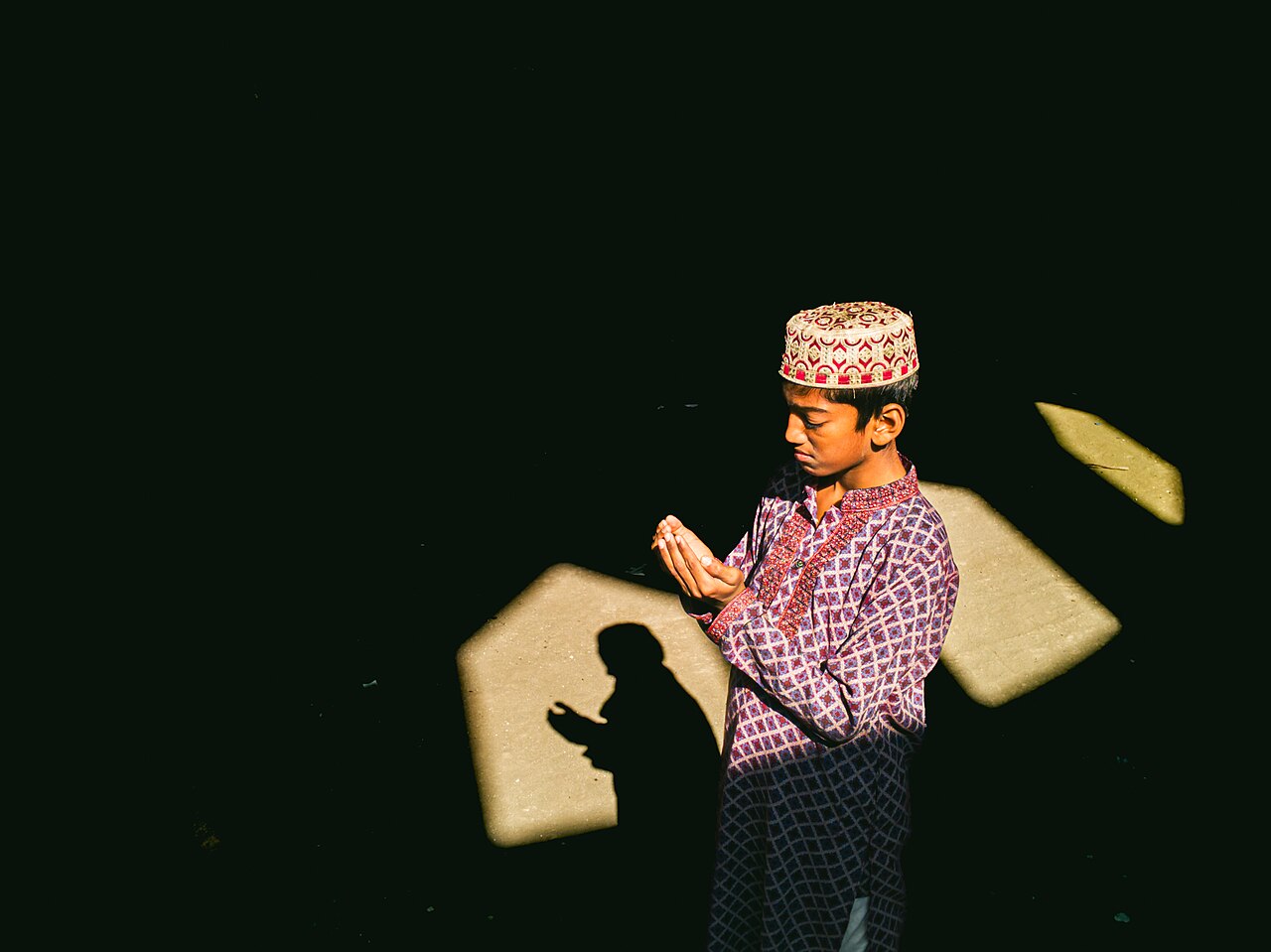
Many Muslims wonder whether a dua made without Arabic will be accepted. An article on Prothom Alo's religion page answers by separating the formal prayer from ordinary supplication. The recitation and the words of bowing, prostration and tashahhud in salah are fixed in Arabic and cannot be changed at will.
A dua or munajat outside the prayer is a believer's private plea, and the article says there is agreement that it may be made in Bengali, English, Urdu or any mother tongue. Ibn Taymiyya wrote that God knows what the supplicant means, whatever language he prays in. Imam al-Nawawi said a dua in any language outside the prayer loses nothing in reward.
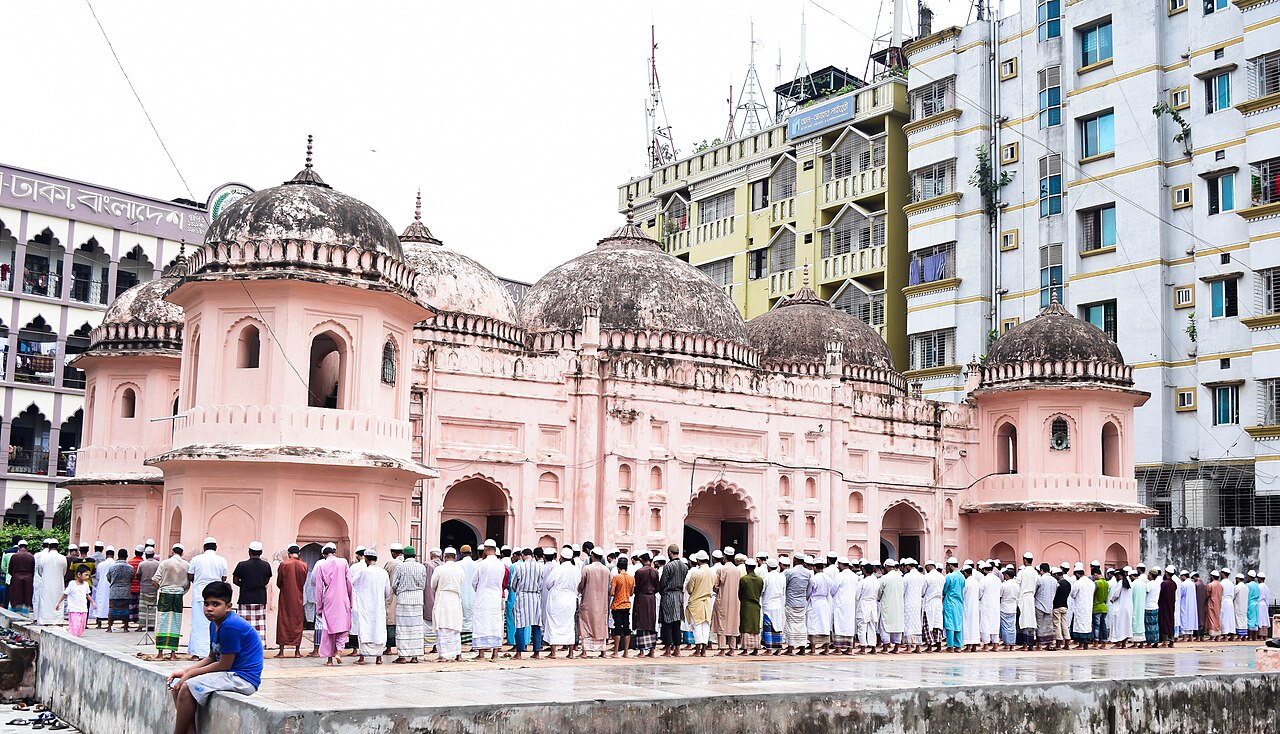
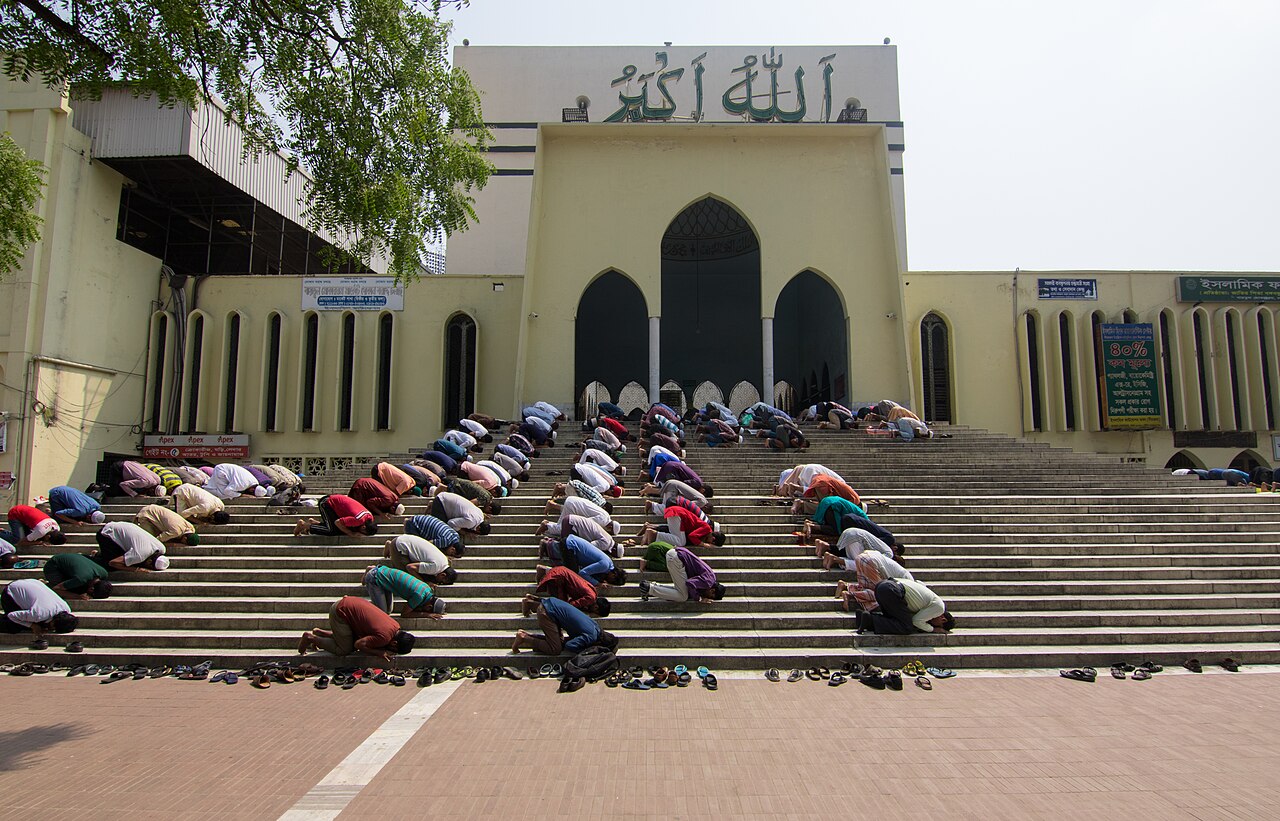
Inside the prayer, for instance in the prostration of a voluntary prayer or the final sitting, the four schools differ. In the Hanafi school a dua in a language other than Arabic within salah is makruh tahrimi; Ibn Abidin al-Shami held that even in Arabic only supplications from the Quran and hadith, or ones unlike ordinary speech, should be used.
Setting out the Shafii view, al-Nawawi wrote that someone able to read Arabic who makes up a non-Arabic dua in salah invalidates the prayer, while someone wholly unable may recite translations of the prophetic supplications. The Maliki and Hanbali positions are close: Ibn Qudamah wrote that a non-Arabic dua in salah is not permitted for one who knows Arabic, but a new Muslim who cannot learn it may pray in his own language in prostration.
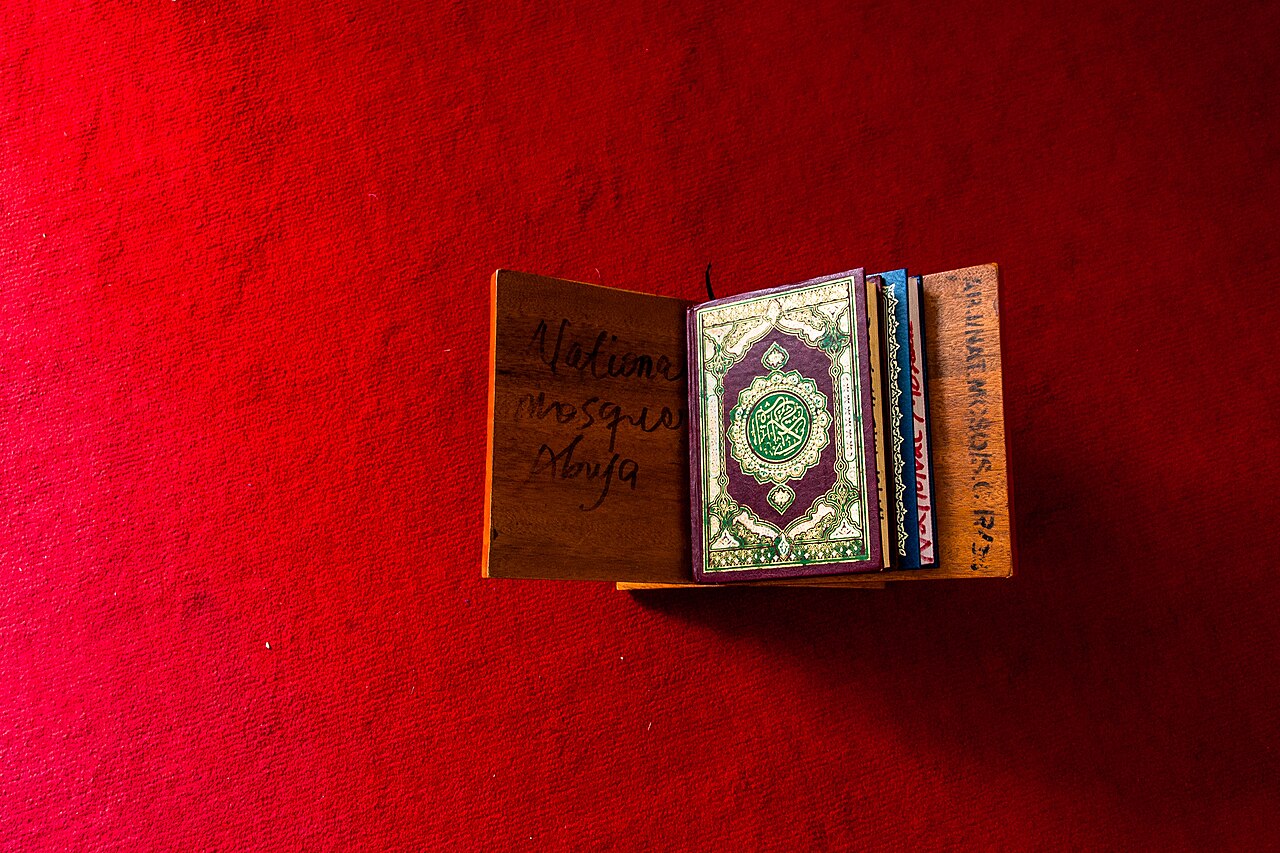
The article reminds readers that the heart of a dua is sincerity, quoting a hadith from Sunan al-Tirmidhi: pray with full conviction of an answer, for a dua from a heedless heart is not accepted.
The article is by Prothom Alo's religion desk.
Photo: Ashikul Islam Anik / Wikimedia Commons (CC BY-SA 4.0)
Source: Prothom Alo
Comments
(0)