
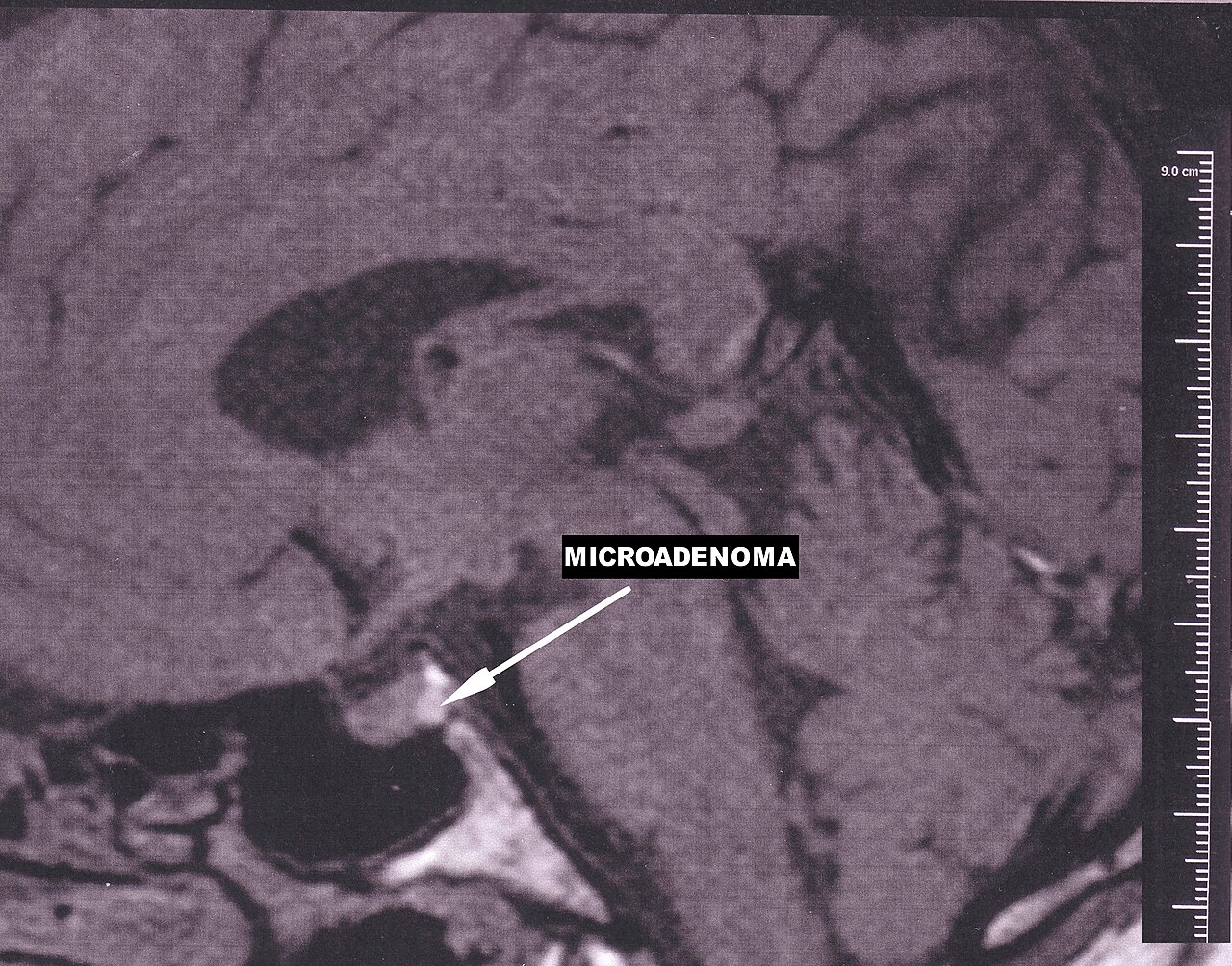
A moustache line on a seven-year-old boy, or a six-year-old girl who starts menstruating: signs of puberty that arrive far too early must be taken seriously, writes Dr Sudipta Kumar Mukherjee, associate professor of paediatric neurosurgery at the National Institute of Neurosciences and Hospital in Dhaka. In a piece for Prothom Alo he says it is a hormonal problem that can be caused by disease of the pituitary, a small gland in the brain.
The condition is called precocious puberty. In many cases the cause is a tiny pituitary tumour, a microadenoma, the name given to a pituitary tumour smaller than 10 millimetres (1 centimetre). When a tumour is the cause, the condition is called central precocious puberty, though it can also occur without a tumour.
The pituitary releases several key hormones, he explains, including LH and FSH, which drive the changes of puberty, and in adolescence growth hormone makes children grow fast. A problem in the gland can release too much hormone too early, bringing early puberty and fast, abnormal growth.
Because the gland sits behind the eyes inside the skull, a tumour or an enlarged gland can cause headache, blurred vision and physical weakness. Tumours that make no hormones usually cause no symptoms and are often found by chance when the brain is scanned by MRI for another reason.
Treatment depends on whether the tumour is producing hormones and on the patient's symptoms. A tumour that makes no hormones usually needs no medicine; regular hormone tests, eye examinations and MRI scans on an endocrinologist's advice are enough to keep it under watch, he writes.
His advice to parents is not to dismiss changes that come early for a child's age, and to see a doctor.
Photo: Yakafaucon / Wikimedia Commons (CC BY-SA 4.0)
Source: Prothom Alo




Comments
(0)