
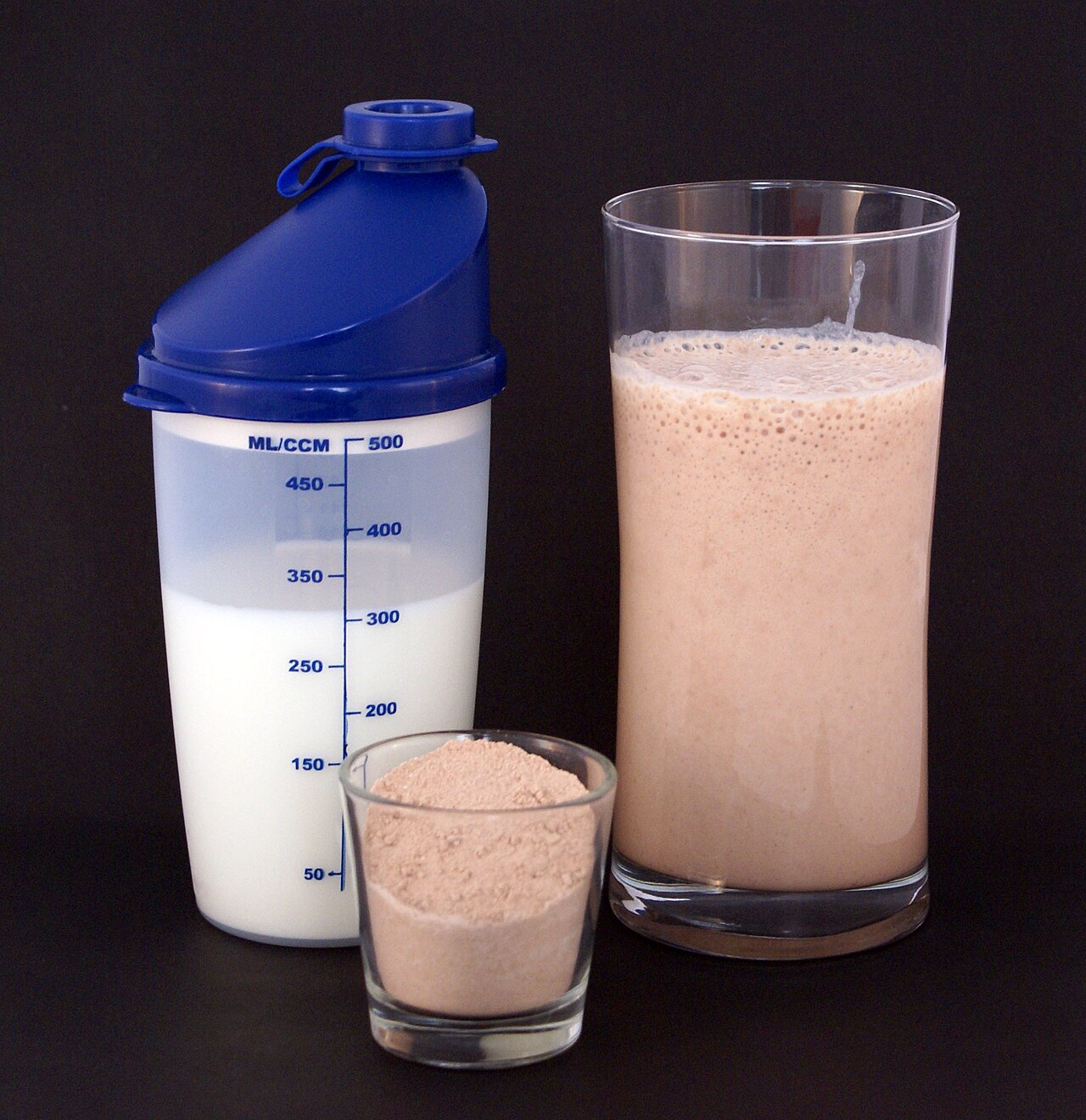
A protein shake is a drink made from protein powder derived from milk, eggs or plants, usually with 10 to 30 grams of protein per serving, and sometimes vitamins, minerals, sugar or artificial flavouring. Writing in Prothom Alo with reference to the US health website WebMD, Rafia Alam says most people have no need for one.
An adult needs 0.8 grams of protein per kilogram of body weight a day, or 56 grams for someone weighing 70 kg. One large hen's egg provides about 6 grams; fish, meat, milk, soya, lentils and seeds such as quinoa and pumpkin seeds also supply protein. An ordinary balanced diet therefore meets the need, and eating too much protein is not advisable.
Shakes are useful for people whose diets fall short: vegetarians, people who cannot tolerate milk, those recovering from serious injury or surgery, and travellers in remote areas. Strenuous sport calls for 1.1 to 1.4 grams per kilogram a day, competitive athletes 1.2 to 1.4 grams, muscle-building athletes 1.5 to 2 grams and ultra-endurance athletes up to 2 grams. Older people need about 1.33 grams per kilogram to keep muscle mass, unless an illness restricts protein.
Teenagers aged 13 to 19 need 0.88 to 1.11 grams per kilogram, and teenage athletes 1.11 to 1.77 grams; at this age, the writer advises getting protein from food rather than shakes.
When buying, check the protein content and calories and avoid sugar and artificial ingredients where possible. People who cannot tolerate milk should choose egg, soy, rice or pea shakes over whey or casein; lactose intolerance can bring stomach pain or diarrhoea after whey shakes, and an allergy to an ingredient can cause rashes or swelling. Extra protein harms people with kidney disease. Small amounts of heavy metals have been found in some shakes, below harmful levels, but drinking large amounts carries a risk of toxicity.
Photo: Sandstein / Wikimedia Commons (CC BY 3.0)
Source: Prothom Alo

Comments
(0)