
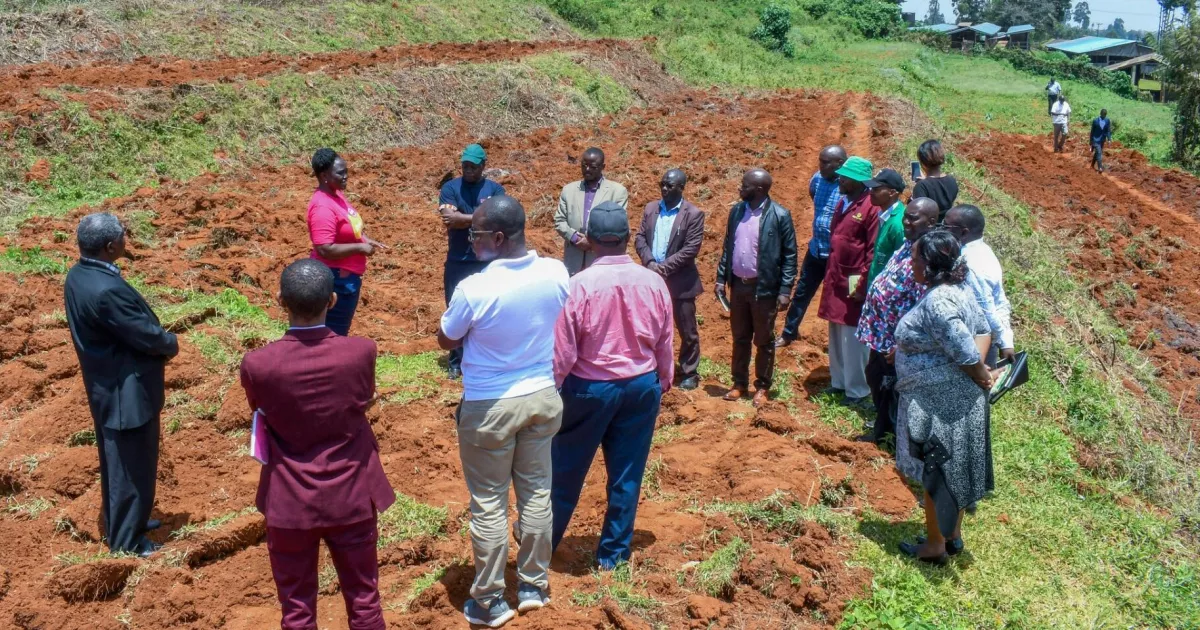
A digital market-linkage network has raised collective marketing among Ugandan common bean farmers but has not narrowed the gap between men and women in leadership and participation, according to a study of 653 farmers published in Food and Energy Security and reported by the Alliance of Bioversity International and CIAT.
The researchers, Eileen Bogweh Nchanji and Anastacia Wanjiru, compared members of the MasterCard Farmer Network (MFN), a digital platform that links farmers to markets, payments and information, with members of unsupported farmer groups across 13 districts. MFN members scored higher on collective agency, 0.68 against 0.63, with the biggest difference in group marketing: about 50% of MFN members sold collectively, compared with 28% of farmers in unsupported groups.
Better market access did not translate into more say. Farmers in unsupported groups reported stronger confidence in their own leadership, 81% against 70% among MFN members, suggesting that economic gains do not automatically raise a member's perceived influence within the group.
Gender mattered more than network membership. Men consistently showed higher leadership confidence and more participation in collective marketing than women, and network support appeared to widen rather than narrow the gap on leadership measures. The study also found different routes to empowerment: agricultural training did more for women's agency, while extension services counted for more among men. Older women showed the lowest collective agency, which the authors link to accumulated caregiving duties and limited access to land.
Farmer groups and cooperatives are widely promoted across sub-Saharan Africa as a route to empowerment, especially for women, who make up most of the region's agricultural workforce yet remain disadvantaged in access to land, credit and markets. The study asked whether belonging to a supported network actually shifts decision-making power between men and women, or delivers economic benefits while leaving the balance untouched.
The authors conclude that unless programmes deliberately address the social norms that shape who leads and who speaks, they risk entrenching existing inequalities even as incomes rise. The finding lands in 2026, designated by the United Nations as the International Year of the Woman Farmer, and argues for gender-transformative design from the start of any digital farmer network.
Source: CGIAR

Comments
(0)