
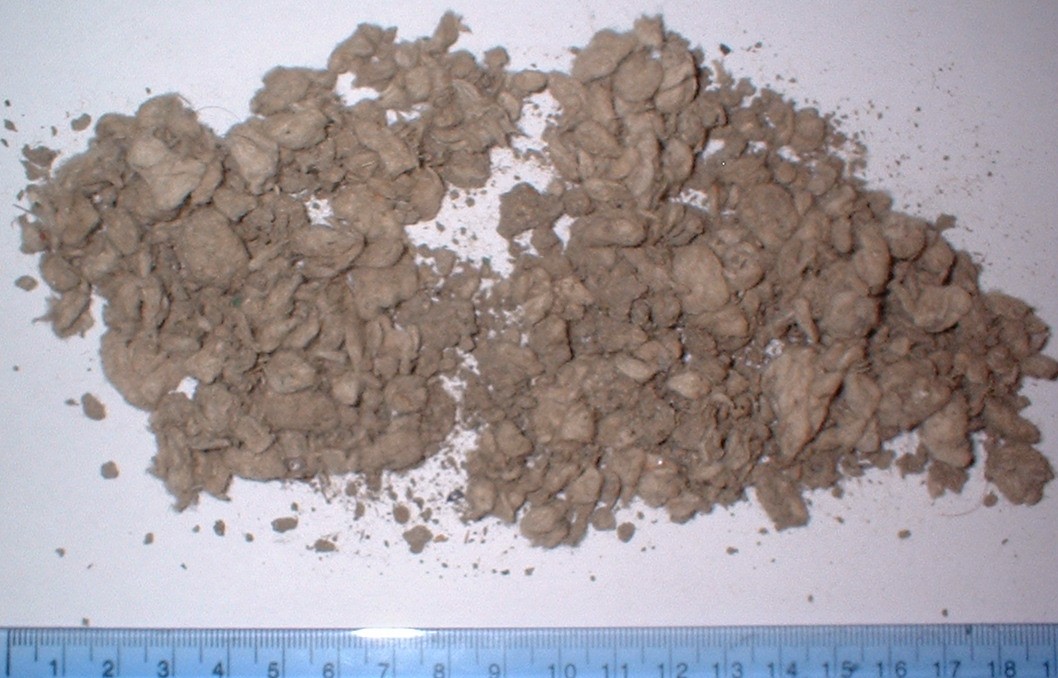
Digestates, the nutrient-rich residues left after organic material such as livestock manure, crops or food waste is broken down in a biogas digester, could partly replace mineral fertilisers in the European Union, especially in areas with many livestock, according to a study by the European Commission's Joint Research Centre (JRC).
The study comes as the Middle East crisis has disrupted fertiliser markets. Between December 2025 and April 2026, EU nitrogen fertiliser prices rose a further 40 percent, on top of costs already 62 percent above 2020. The Gulf region supplies 43 percent of world urea exports and 27 percent of ammonia exports.
Compiled with international experts, the study found that digestates, particularly some liquid fractions separated by centrifuge, can partly replace mineral fertiliser without hurting yields or environmental safeguards. Those with a low carbon-to-nitrogen ratio and high mineral nitrogen behave much like synthetic fertiliser in the field. The JRC said ammonia emissions and nitrate leaching must be managed through choice of feedstock, processing, storage and precise application.
The findings feed into the Commission's Fertiliser Action Plan of May 2026, which will look at whether more digestates, especially liquid fractions, could be counted under the RENURE (recovered nitrogen from manure) criteria. They could then be applied at up to 80 kg of nitrogen per hectare a year above the 170 kg ceiling for ordinary manure in Nitrate Vulnerable Zones.
With controls on contaminants, ammonia losses and phosphorus, the JRC said, wider use would stay within EU environmental and health law while cutting reliance on imported nutrients, lowering costs in livestock-heavy regions and making European farming more resilient to market swings.
Photo: Alex Marshall / Wikimedia Commons (CC BY-SA 2.5)
Source: The Cattle Site


Comments
(0)