
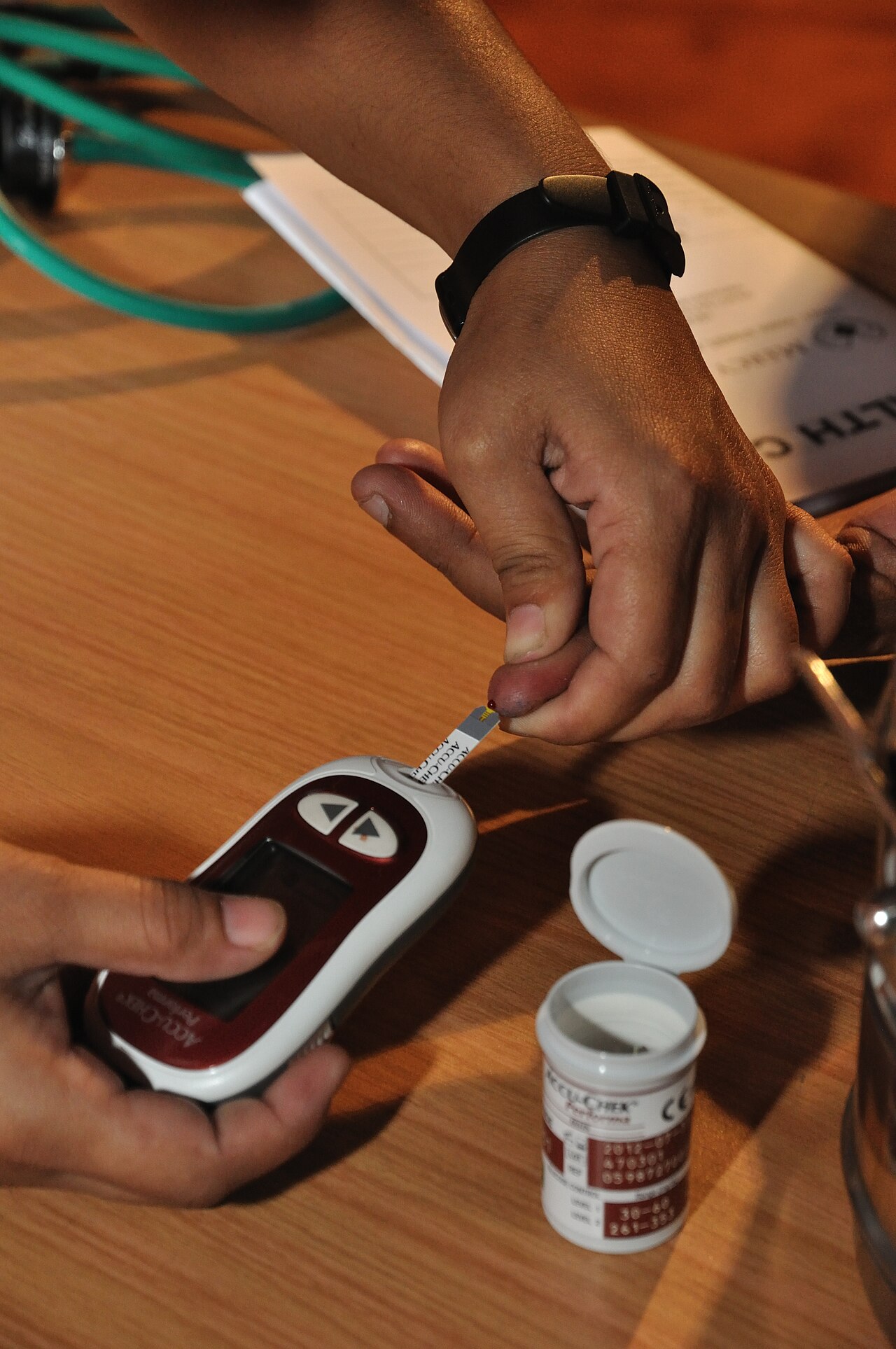
Doctors have warned that the risk of diabetes is rising fast in Bangladesh. By their figures, about 12 per cent of people in Dhaka city have diabetes and another 10 per cent or so are prediabetic, the stage before the disease. In the 1970s the rate in the country was about 2 per cent; in rural areas it now runs at 5 to 8 per cent.
Ahead of World Diabetes Day on 14 November, the Association of Clinical Endocrinologists and Diabetologists of Bangladesh (ACEDB) and the Dhaka Reporters Unity (DRU), supported by Renata PLC, held free diabetes testing and an open discussion at the DRU premises on Wednesday. More than 200 people, including DRU members and their families, were tested and advised free of charge at the camp, which opened at 8 am.
Speakers said about 500 million people worldwide now have diabetes and the number could pass 600 million by 2030. The rate of gestational diabetes in Bangladesh is higher than in developed countries, they said.
The specialists blamed changing lifestyles. Young people are more often overweight, they said, and physical work and exercise are being avoided. If the disease keeps spreading at this pace, higher treatment costs and lost working capacity will put the economy under heavy strain, they warned.
As the way forward, speakers stressed public awareness and early diagnosis. Free screening of this kind both raises awareness and catches the disease early, they said, and the media have an important role in telling people regularly about its risks, prevention and control.
The event was chaired by DRU president Abu Saleh Akon. ACEDB president Professor Dr Farid Uddin was chief guest and Professor Dr Md Habibullah Talukder Raskin, project coordinator of Gonoshasthaya Community-based Cancer Hospital, special guest; Professor Dr Indrajit Prasad and other doctors also attended.
Photo: Biswarup Ganguly / Wikimedia Commons (CC BY 3.0)
Source: Samakal



Comments
(0)