
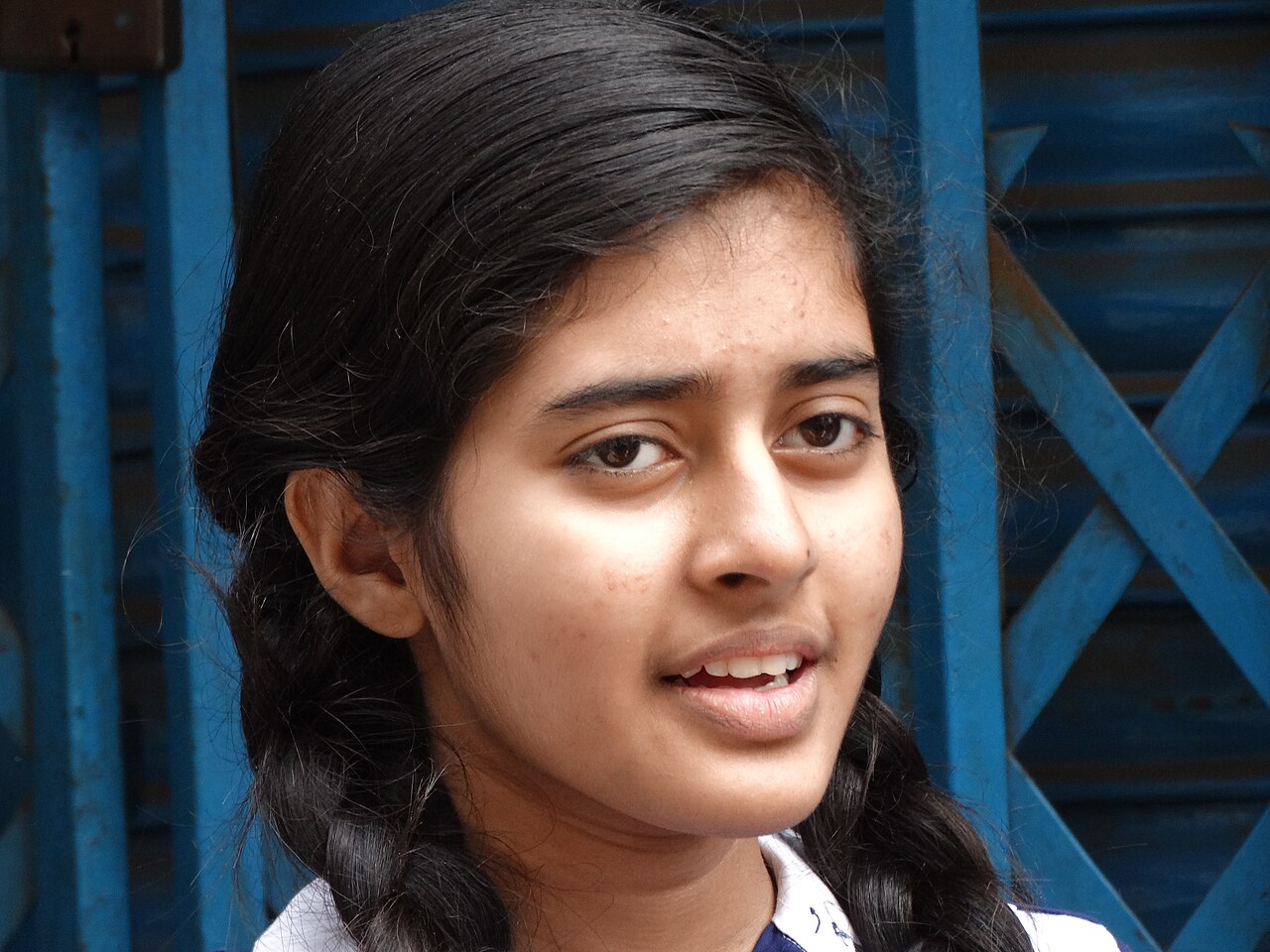
Menstrual health and hygiene among adolescent girls in remote areas of Bangladesh still fall well short, said Professor Dr Gulshan Ara. From her field experience, she said many girls in village madrasas use cloth instead of pads during their periods, and they also need to learn how to wash, dry and store that cloth properly.
She was speaking on Tuesday, 6 October, at an awareness event called 'Protected health, vibrant youth' organised by the Power of She Trust at Government Mohammadpur Model School and College in Dhaka. The school received a sanitary pad bank for its girls. Dr Gulshan Ara said handing out pads is not enough: the pad bank needs regular monitoring and follow-up.
Dr Sharmin Abbasi said polycystic ovary syndrome is not only an ovarian problem but a disorder of hormonal and metabolic balance. She urged girls to see a doctor for irregular periods, heavy bleeding or severe pain, sudden weight gain, unwanted facial hair, acne or heavy hair loss, and advised a balanced diet, regular exercise, enough sleep and no medicines without a prescription.
Dr Hasan Shahriar Kallol spoke on breast cancer risk and screening, stressing that any unusual change in the breast needs prompt specialist advice. Psychologist Tania Subhashita said fear, embarrassment and social pressure stop many girls seeking help, and families and communities must be more supportive.
Sabina Sabby, chair of the Power of She Trust, said caring for women's health is not a luxury but a right, and that girls taught correctly from an early age learn to understand the changes in their bodies rather than fear them. Principal Nazrul Islam Khan welcomed the guests, and teachers and students put questions to the doctors on PCOS, menstrual and reproductive health, breast cancer and mental health.
Photo: Adam Jones / Wikimedia Commons (CC BY-SA 2.0)
Source: Bangla Tribune
Comments
(0)