
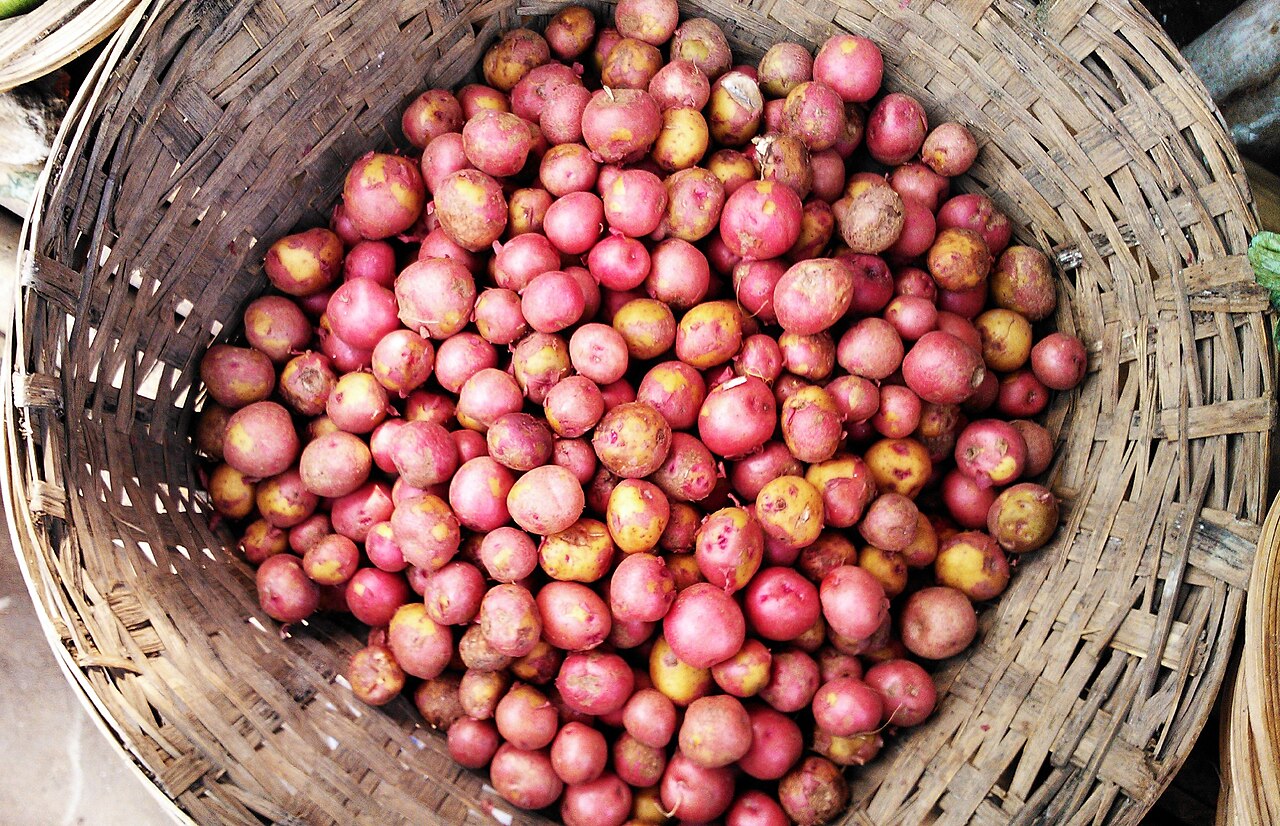
Khaleda Begum, a domestic worker, and her husband Alfaz, a security guard, live in Rampura, Dhaka, with three children on a combined Tk 19,500 a month. Rent rose from Tk 7,000 to Tk 8,000 in September, two children's schooling costs Tk 3,500 to 4,000 a month and Alfaz's asthma medicine Tk 2,000 to 2,500. What is left feeds five people, mostly on potatoes, papaya and lentils.
Khaleda told Dhaka Post they have not bought meat since the last Eid al-Adha, and fish is so dear that buying it would leave no money for rice. "Most of the time our meals are potatoes and papaya with a little dal," she said. In the last week of the month every meal is rice with mashed potato or papaya. She used to have a TCB card for subsidised goods, but it has been suspended for six months, and she fears that if things go on like this two of her children may have to leave school.
According to the Bangladesh Bureau of Statistics (BBS), general inflation rose from 8.26 percent in August to 8.34 percent in September, and food inflation from 7.02 to 7.22 percent, while the national wage rate index rose 7.90 percent, below general inflation. After diesel, petrol, octane and kerosene went up by Tk 20 a litre on 21 September, traders say higher transport costs and paddy prices have also pushed up rice.
The 2026 Global Hunger Index, published in Berlin last week, ranks Bangladesh 84th of 122 countries, with hunger at a "moderate" level. Its score has fallen only 0.8 points in eight years, from 20 in 2018 to 19.2, after dropping more than 42 percent between 2000 and 2018. Child wasting among under-fives rose from 8.4 percent in 2018 to 12.9 percent, the highest since 2000, though stunting fell slightly to 24 percent and overall undernourishment fell from 12.1 to 8.2 percent.
The Bangladesh Food Safety Authority's 2022 family guide on safe food found about a third of children do not get a minimum acceptable diet, about 56 percent of women eat too little, and about 50 percent of pregnant women are anaemic. It recommends that an adult eat each day 270 to 420 grams of rice or wheat, 75 to 100 grams of tubers or banana, one to four pieces of fish or meat, one to two cups of lentils, at least a cup of milk, two seasonal fruits, 100 grams of vegetables or 200 grams of leafy greens, and at least one egg.
Professor Dr Syed Abdul Hamid of Dhaka University's health economics department said that expanding state support means borrowing or raising taxes, and putting extra cash in people's hands can itself fuel inflation, while the crisis is tied to global conditions too. He advises cutting spending on fast food, crisps and chocolate in favour of cheap, nutritious local food, and says the government must curb waste in administration, education and health.
Reported by Mahtab Limon for Dhaka Post.
Photo: Potatoes in a Bangladeshi market, NahidSultan / Wikimedia Commons (CC BY-SA 3.0)
Source: Dhaka Post


Comments
(0)