
The International Rice Research Institute (IRRI) is developing rice varieties with a low glycaemic index (GI), more protein and more micronutrients, aimed at India's nutrition security problems and the rising burden of lifestyle diseases, an IRRI official said on the sidelines of the Bharat International Rice Conference (BIRC) 2026 in New Delhi.
Dr Priyabrata Roy, assistant manager for project coordination at IRRI, pointed to DRR Dhan 81, a variety developed in the Indian rice research system and released by the Indian Institute of Rice Research. He said it is gaining traction in the market because it suits value-added foods: it can be made into rice flakes, rice semolina and a range of South Indian dishes, creating opportunities for processors and food manufacturers.
Beyond low-GI rice, IRRI is working on varieties with higher protein, zinc-rich varieties and other biofortified types, aimed at undernutrition, micronutrient deficiencies and non-communicable diseases in a staple eaten by millions.
Roy said better nutrition has to go with lower environmental cost. Researchers are breeding rice that needs fewer inputs, uses less water and emits less methane, combining nutrition-sensitive farming with more resource-efficient production.
The varieties also give processors, food entrepreneurs and exporters a way to diversify into health-oriented rice products, he said. IRRI runs a regional centre in Varanasi, Uttar Pradesh, which supports its research and engagement across South Asia.
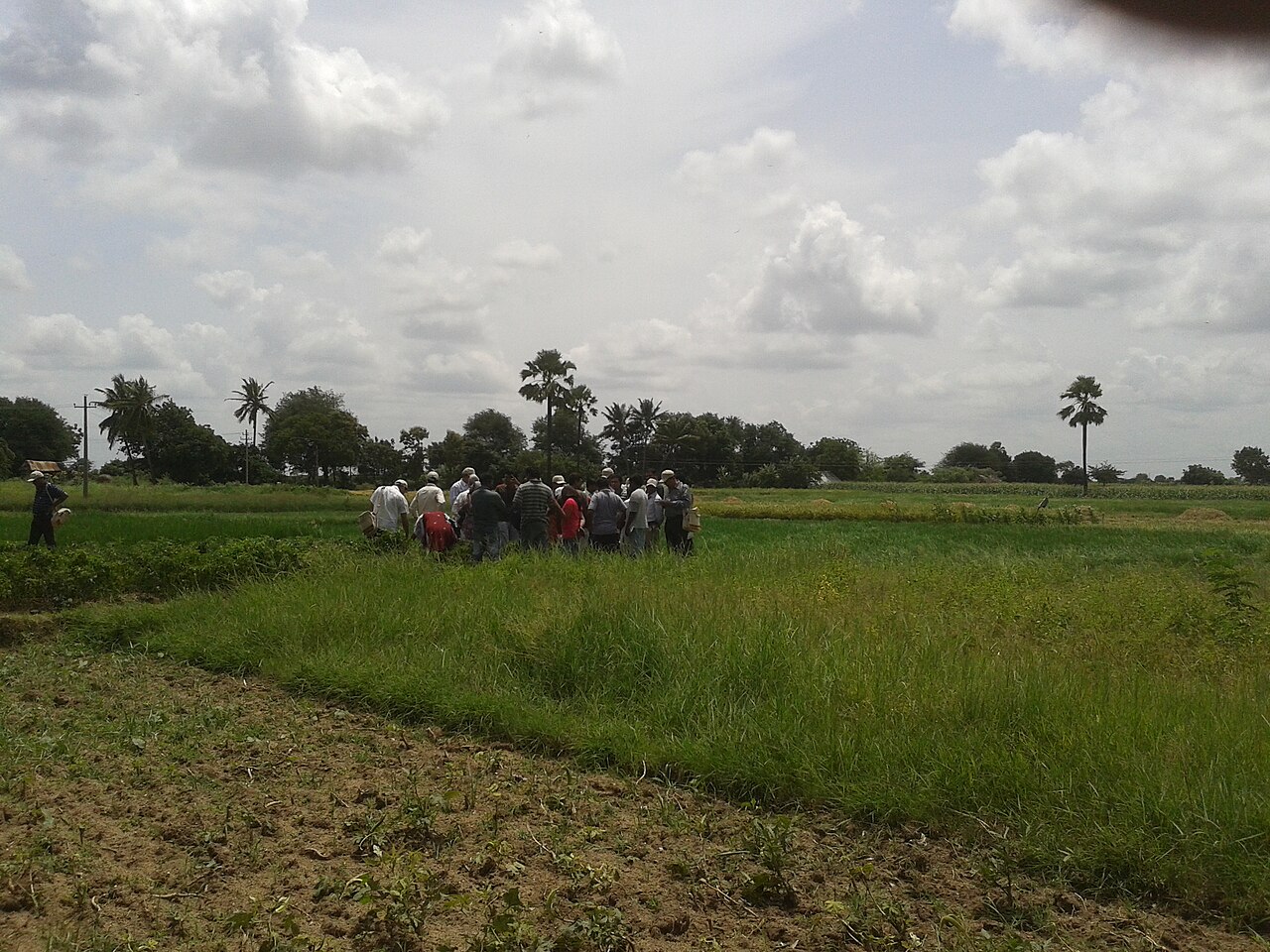
Photo: Laxmisrikanth / Wikimedia Commons (CC BY-SA 3.0)
Source: AgroSpectrum

Comments
(0)