
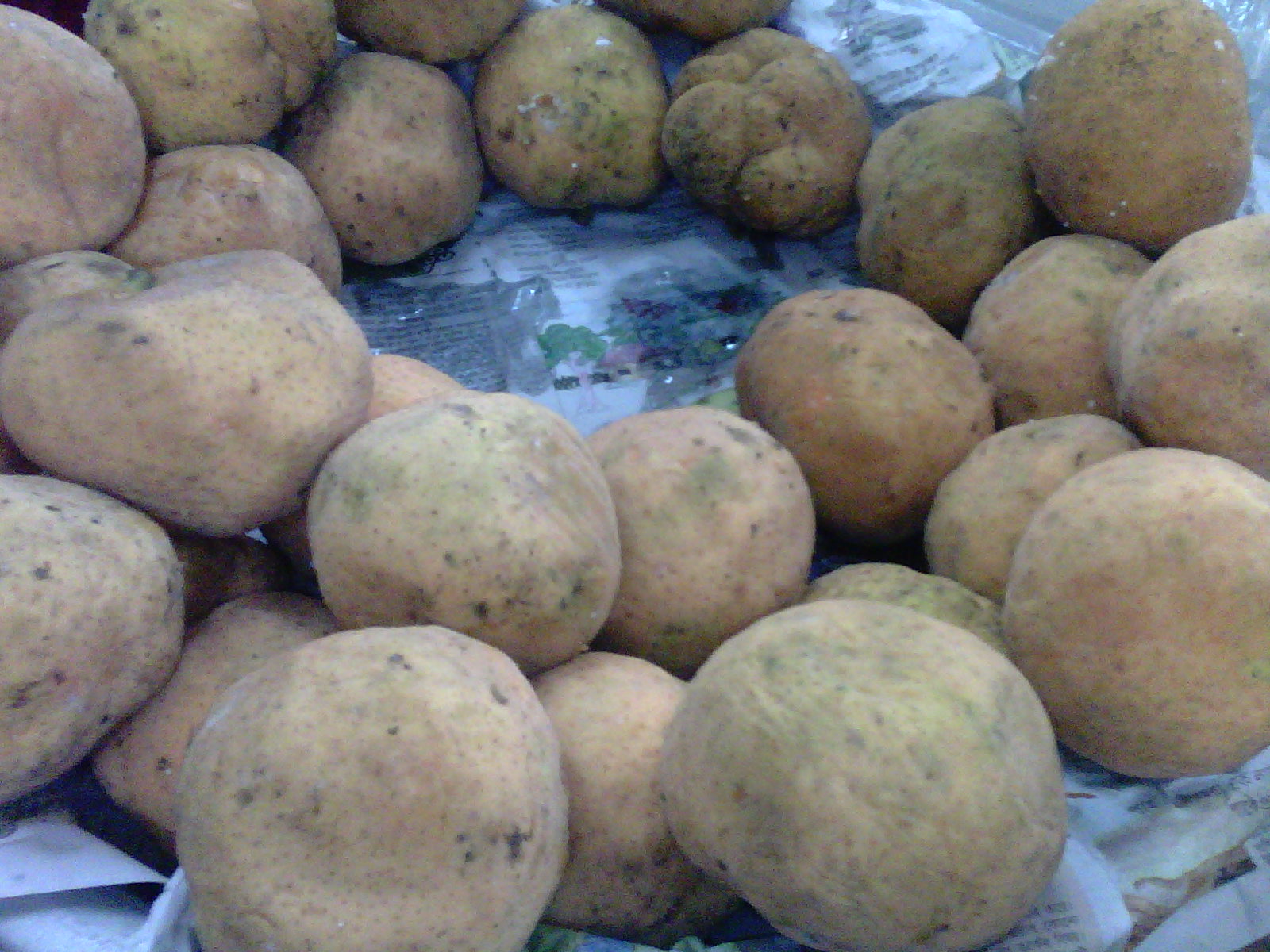
Dewa was once a familiar fruit in rural Bangladesh. As Jagonews24 reported on 27 June 2026, it is now seen much less often in markets, yet it holds its own in nutrition. Unripe dewa is sour; ripe fruit turns soft with a sweet-sour taste. Research papers and reliable nutrition sources show that it carries useful amounts of vitamin C, carotenoids, fibre and several minerals.
What kind of fruit dewa is
Dewa is Artocarpus lacucha (also known as Artocarpus lakoocha), an evergreen tree of the Moraceae, the jackfruit family, found across the Indian subcontinent and Southeast Asia. In English it is called monkey jack; Bengali names include dheua, madar and bonkathal, and in the Chittagong dialect it is called botta.
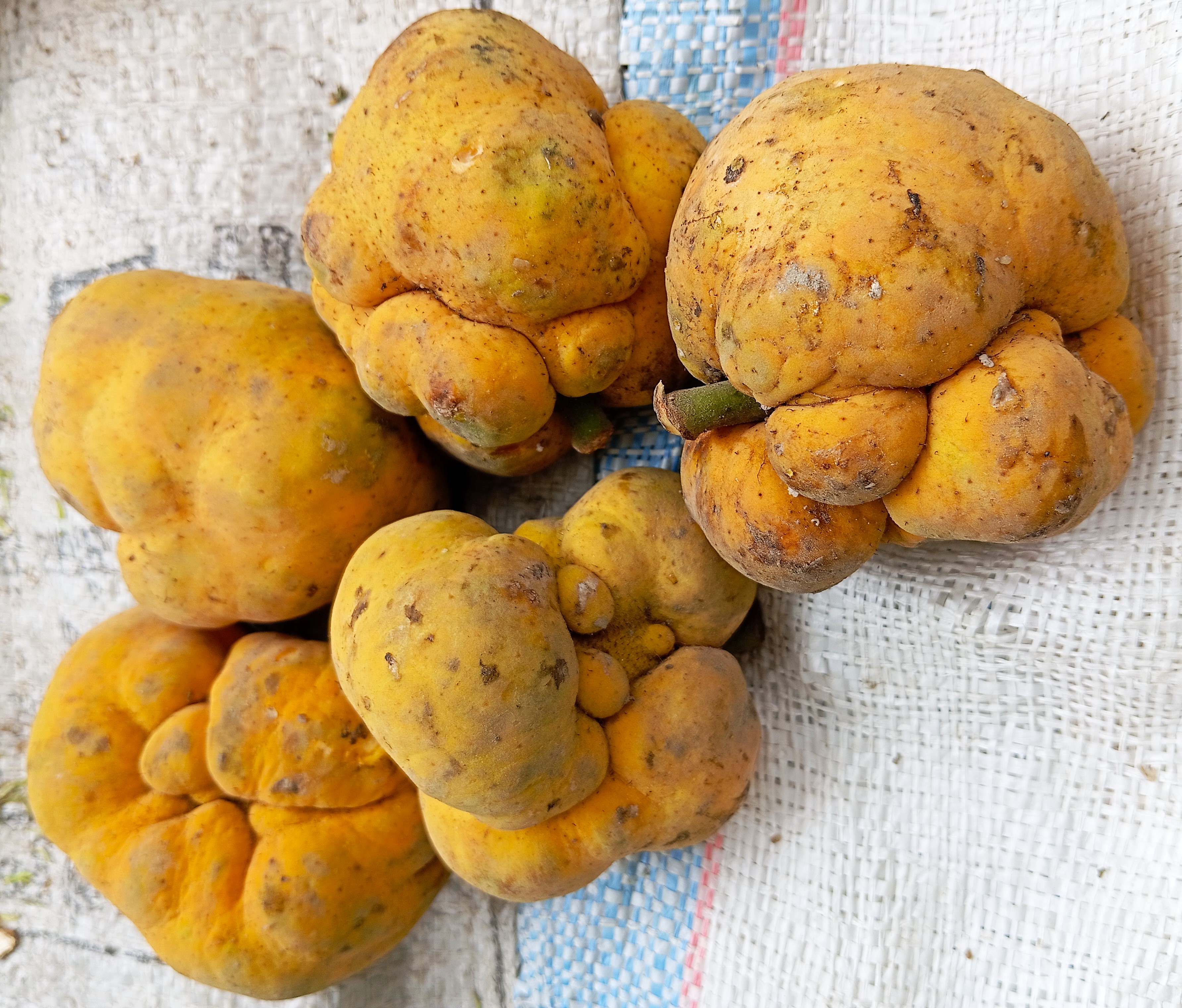
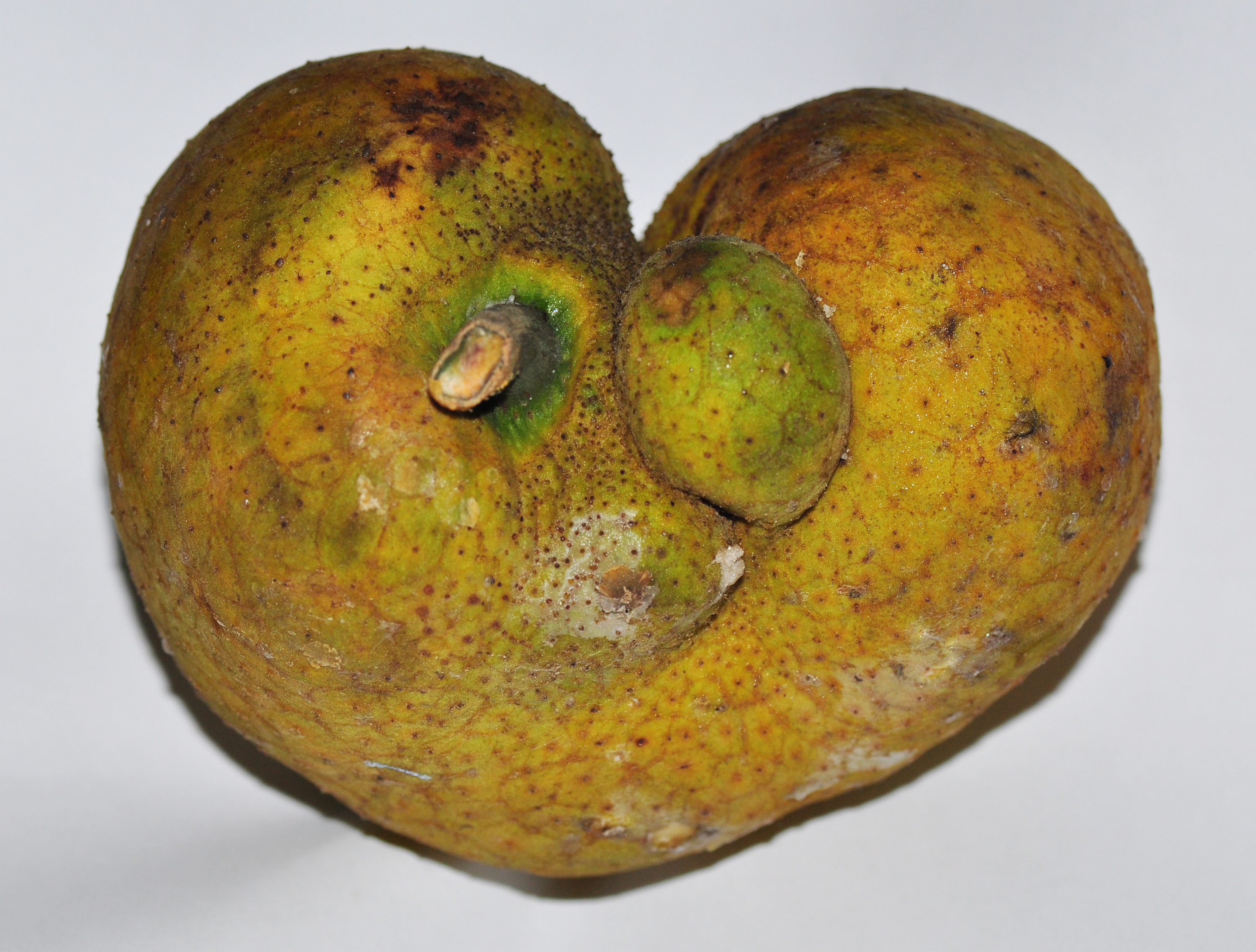
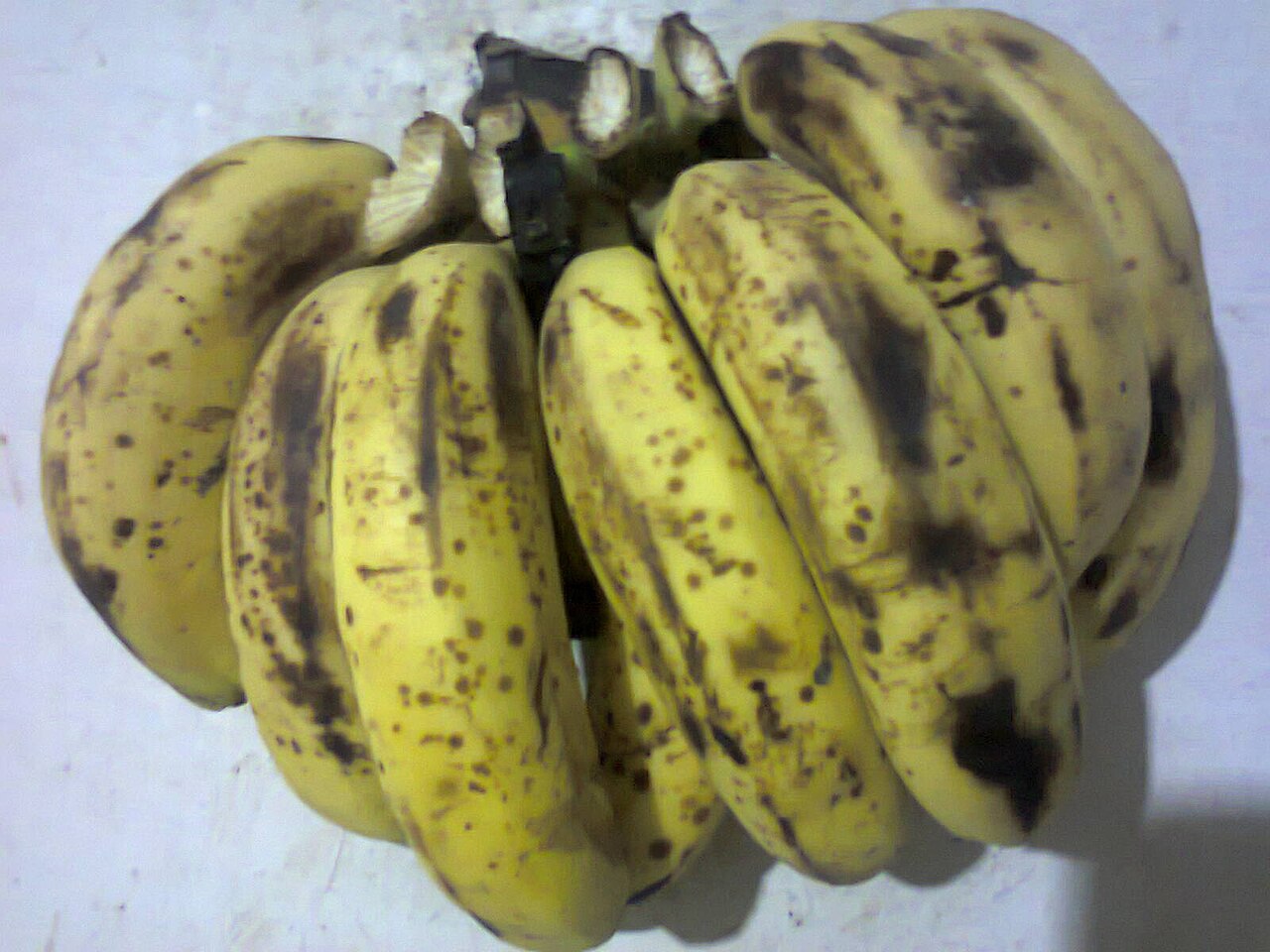
According to Wikipedia, the tree grows to about 20 to 25 feet. It usually flowers in late February or early March, and the fruit starts to ripen from late May. Like jackfruit it is a compound fruit with an uneven skin, green when unripe; when ripe the skin turns yellow and the flesh inside is reddish yellow.
What is in it
A research review published in the journal Molecules in 2022 gives dewa's composition as 82.1 per cent water, 13.1 per cent carbohydrate, 0.7 per cent protein and 2 per cent fibre. Per 100 grams it lists 135 mg of vitamin C, 66.6 mg of calcium and 0.77 mg of iron, along with 423 IU of vitamin A.
A study published in Food Chemistry in 2013, part of work on a food composition database for Bangladesh, analysed ten minor indigenous fruits. Among them monkey jack had the highest carotenoids, zinc and copper, and came second only to wood apple in potassium. The researchers also noted that most of these minor fruits hold much more vitamin C (ascorbic acid) than ripe jackfruit, ripe mango, apples or grapes.
Vitamin C, fibre and iron: what nutrition science says
The Nutrition Source of the Harvard T.H. Chan School of Public Health describes vitamin C as a powerful antioxidant that can neutralise harmful free radicals. It plays a part in the immune system by stimulating white blood cells, is needed to make collagen, and improves the absorption of the iron found in plant foods. The recommended daily amount for adults is 90 mg for men and 75 mg for women. The same source notes that there is no evidence that vitamin C prevents colds.
Fibre from fruit, grains, pulses and vegetables helps against constipation. The Nutrition Source explains that some soluble fibres hold water to soften and bulk the stool, while insoluble fibres help move it through the gut, which is why a range of high-fibre foods is recommended. As a seasonal fruit, dewa can be one of them.
Folk use and the state of research
The fruit is popularly believed to have medicinal value. In Thailand a powder made from an extract of the wood is a traditional remedy for intestinal worms, and the tree is also valued for its timber. The Molecules review records antibacterial, anthelmintic and cholesterol-lowering properties for fruit extracts, and in an experiment on mice a methanol extract of the fruit prevented liver damage caused by paracetamol. These results come from laboratory and animal tests, so dewa cannot be treated as a medicine for human illness.
The Food Chemistry researchers argued that knowing the nutritional value of these local fruits should encourage people to eat more of them, and that more such trees should be planted to save them from extinction and protect biodiversity.
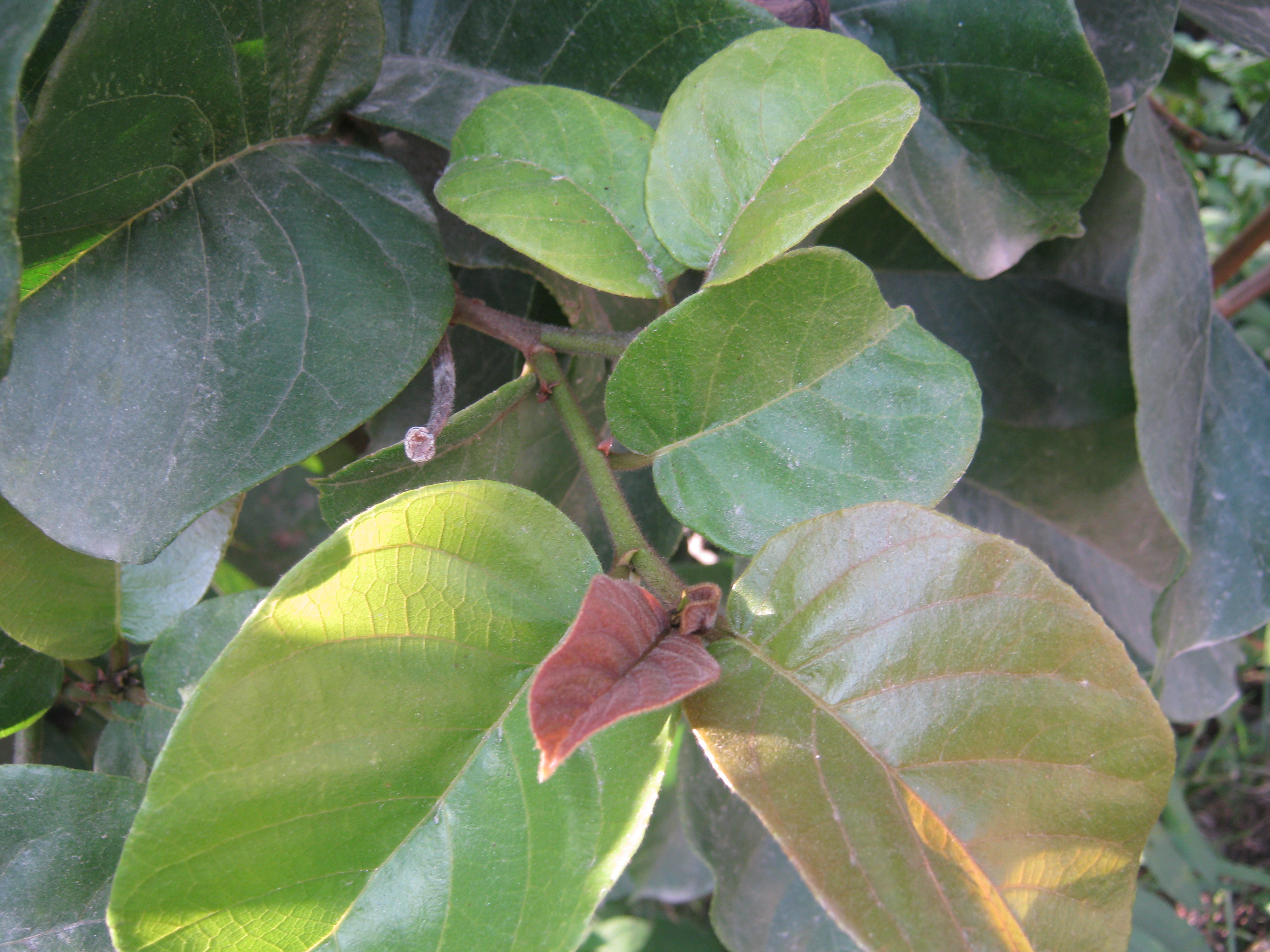
Photo: Bellayet / Wikimedia Commons (CC BY-SA 3.0)
Sources: Jagonews24, Molecules (2022), Food Chemistry (2013), Harvard T.H. Chan School of Public Health (The Nutrition Source), Wikipedia
Comments
(0)