
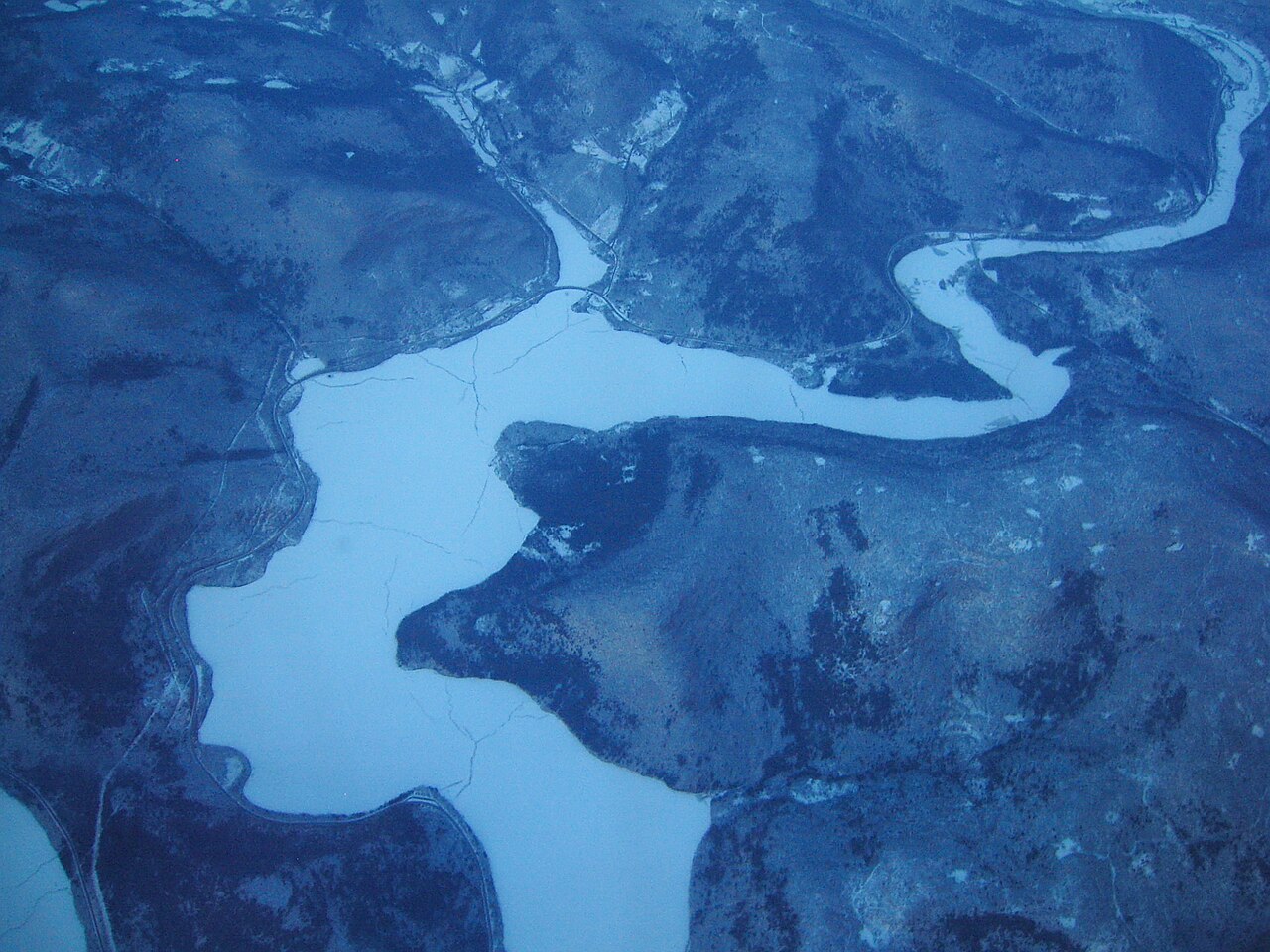
To cope with future severe droughts, floods and salinity from rising seas, the Delaware River Basin Commission in the United States is studying whether to enlarge the Cannonsville Reservoir, New York City's third-largest source of water.
The commission manages a 13,539-square-mile basin across four states that supplies millions of people. New York City owns the Cannonsville, Pepacton and Neversink reservoirs and draws about half its drinking water from the basin, which also serves New York State, Delaware, Pennsylvania and New Jersey. Executive director Kristen Bowman Kavanagh said the commission's main duty is to understand how climate change and sea-level rise are changing the basin and to act quickly in drought.
In 2024 New York City issued its first drought warning in more than 20 years. Water fell so low that a $2 billion repair of the Delaware Aqueduct had to be postponed, and the city's reservoirs dropped to 60 percent of capacity overall against a usual 75 to 80 percent. Two decades earlier, drought had cut Cannonsville to a record 3.4 percent of capacity.
A new reservoir cannot be built overnight, the commission says; engineering, social and economic effects, safety and flood risk could take decades to work through. Working since 2020 on climate change and freshwater supply, it has examined more than 2,500 options to increase storage, from enlarging existing reservoirs to building new ones.
An 18-month feasibility study is now looking at possible storage capacity, estimated costs, permits and the area's hydrology and geology, with final results expected by mid-2028. New York City and the commission are working on the freshwater storage project together. The report is from Dinajpur TV.
Photo: Russ Nelson / Wikimedia Commons (CC BY-SA 2.0)
Source: Dinajpur TV

Comments
(0)