
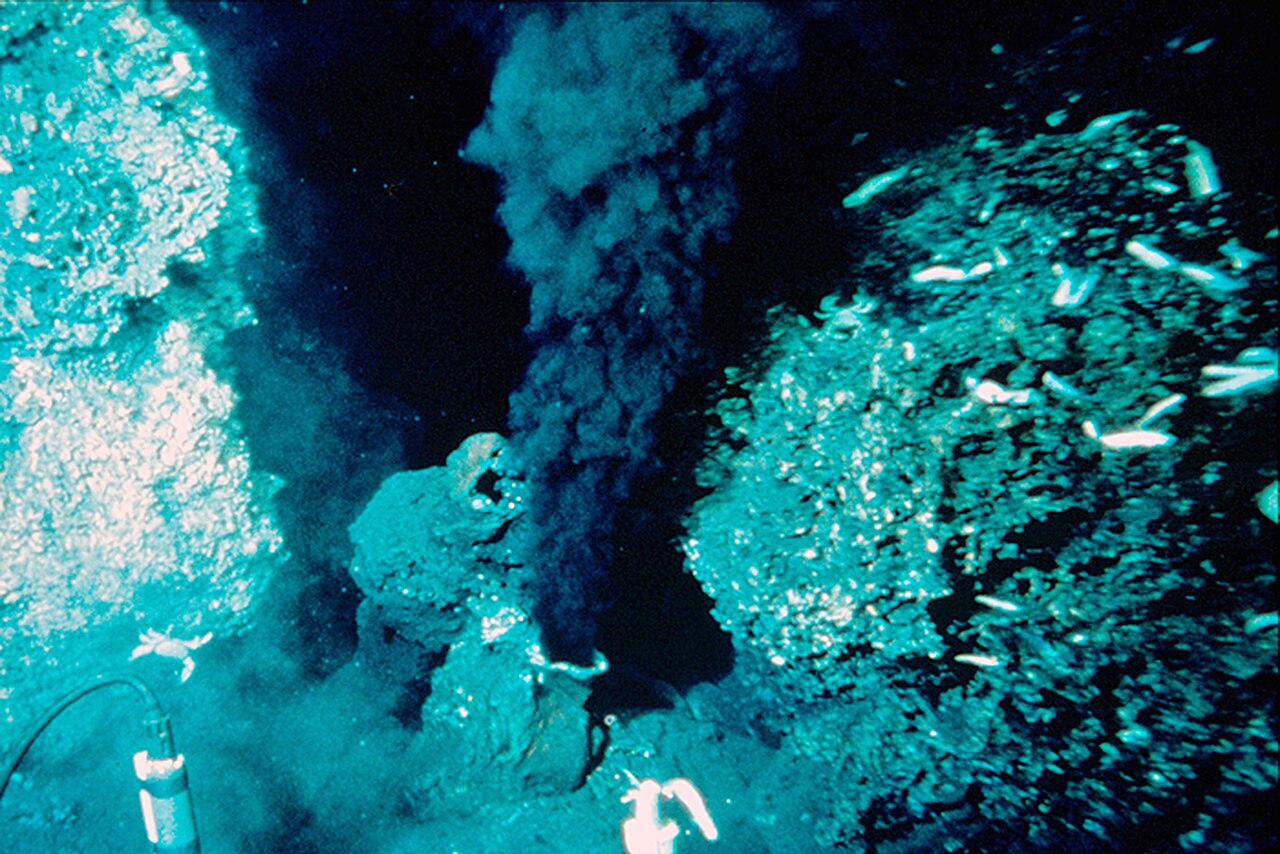
Researchers at the Max Planck Institute for Marine Microbiology in Bremen have described a heat-proof nitrogen-fixing enzyme from a deep-sea microbe, work that could one day inform better biofertilizers, AgroPages reports. The study, by Nevena Maslac, Tristan Wagner and colleagues, is published in Nature Communications.
Nitrogen makes up about 78 percent of the air, but plants and animals cannot use it directly because of the strong triple bond in nitrogen gas. Some microbes break it with an enzyme called nitrogenase and turn it into ammonia. The team grew Methanocaldococcus infernus, an archaeon from volcanic sea-floor vents, in the lab and made it fix nitrogen above 90C.
Its nitrogenase began to break apart only at 90C, and some survived 98C. Studied with X-rays at the synchrotron in Grenoble, it proved the simplest nitrogenase yet described while combining features of the molybdenum, vanadium and iron-only families, which suggests ancient nitrogenases may have resembled it. The team also caught a so-called turnover state never before seen in a molybdenum nitrogenase, hinting that all forms share one underlying mechanism.
"And what if crops could one day obtain nitrogen directly from atmospheric N2?" Wagner asked. That could reduce farming's reliance on industrial fertilizer made by the energy-hungry Haber-Bosch process, which is linked to greenhouse gas emissions and, when overused, to water pollution. For now, the researchers say, the study gives a sharper molecular view of one of biology's most remarkable reactions.
Photo: W.R. Normark, Dudley Foster / Wikimedia Commons (Public domain)
Source: AgroPages


Comments
(0)