
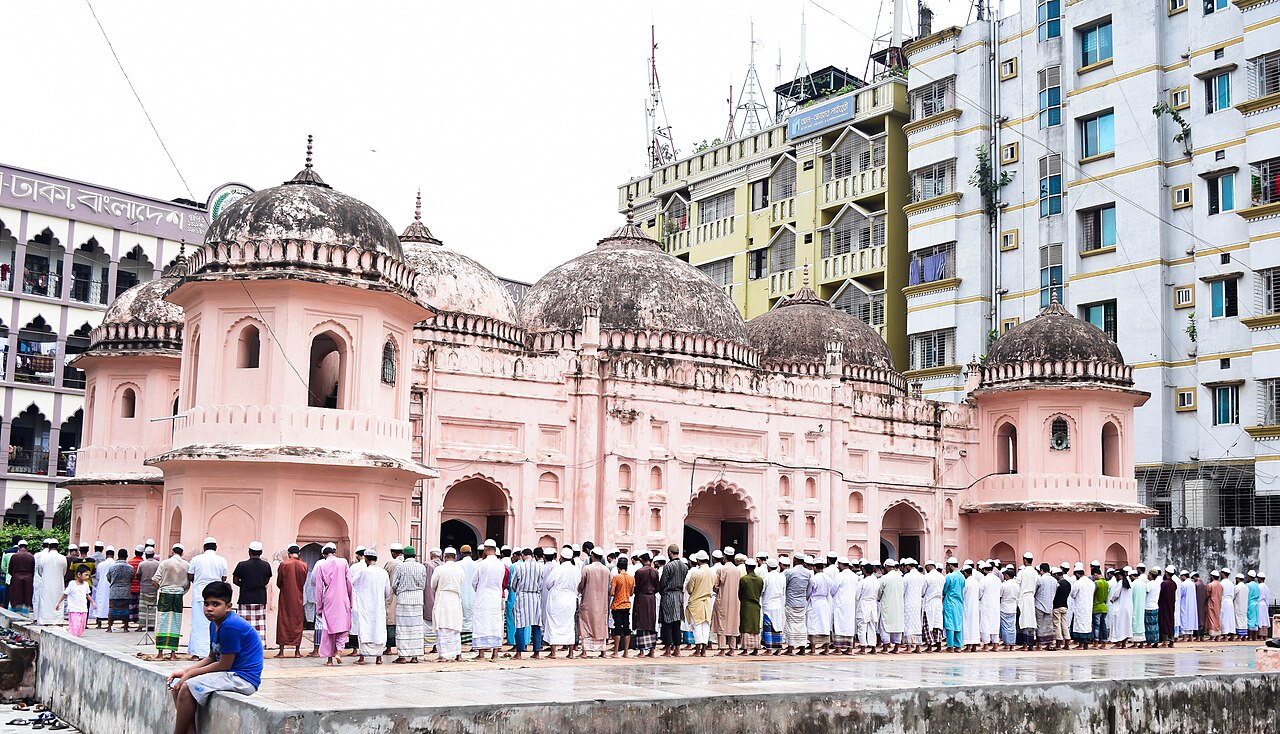
Voluntary prayers after the obligatory and emphasised sunnah prayers bring a believer closer to God and make up for flaws in the obligatory ones. A hadith in Abu Dawud (864) says prayer will be the first thing judged on the Day of Judgement, and any shortfall in the obligatory prayers will be checked against voluntary ones. An article in Our Islam sets out eight voluntary prayers for everyday life.
Tahajjud, the best prayer after the obligatory ones, is prayed in the last part of the night, from two up to eight or twelve rakats; Sahih Muslim (1163) calls it the best prayer after the obligatory. Ishraq is two to four rakats once the sun has fully risen; Sunan al-Tirmidhi (586) records a special reward for praying Fajr in congregation, remembering God until sunrise and then praying two rakats.
Chasht or duha is prayed before the sun reaches its height; some consider ishraq and chasht the same prayer. In Sahih al-Bukhari, Abu Hurayrah says the Prophet enjoined three things on him, one of them the duha prayer. Awwabin is at least six rakats after the Maghrib obligatory and sunnah prayers, any time before Isha.
Tahiyyat al-wudu is two rakats after performing ablution well, outside the forbidden times. Tahiyyat al-masjid is two rakats on entering a mosque before sitting; but if it risks missing an obligatory or emphasised sunnah prayer, the scheduled prayer comes first. A hadith in Sahih al-Bukhari tells those entering a mosque to pray two rakats before sitting.
Salat al-hajah is two rakats seeking God's help in need or crisis. Salat al-tawba is two rakats of repentance after a sin, prayed after a good ablution; Sunan Abu Dawud (1521) records it from Abu Bakr al-Siddiq.
The article was published on Our Islam's Islam page.
Photo: Kazi Murad Hossain / Wikimedia Commons (CC BY-SA 4.0)
Source: Our Islam
Comments
(0)