
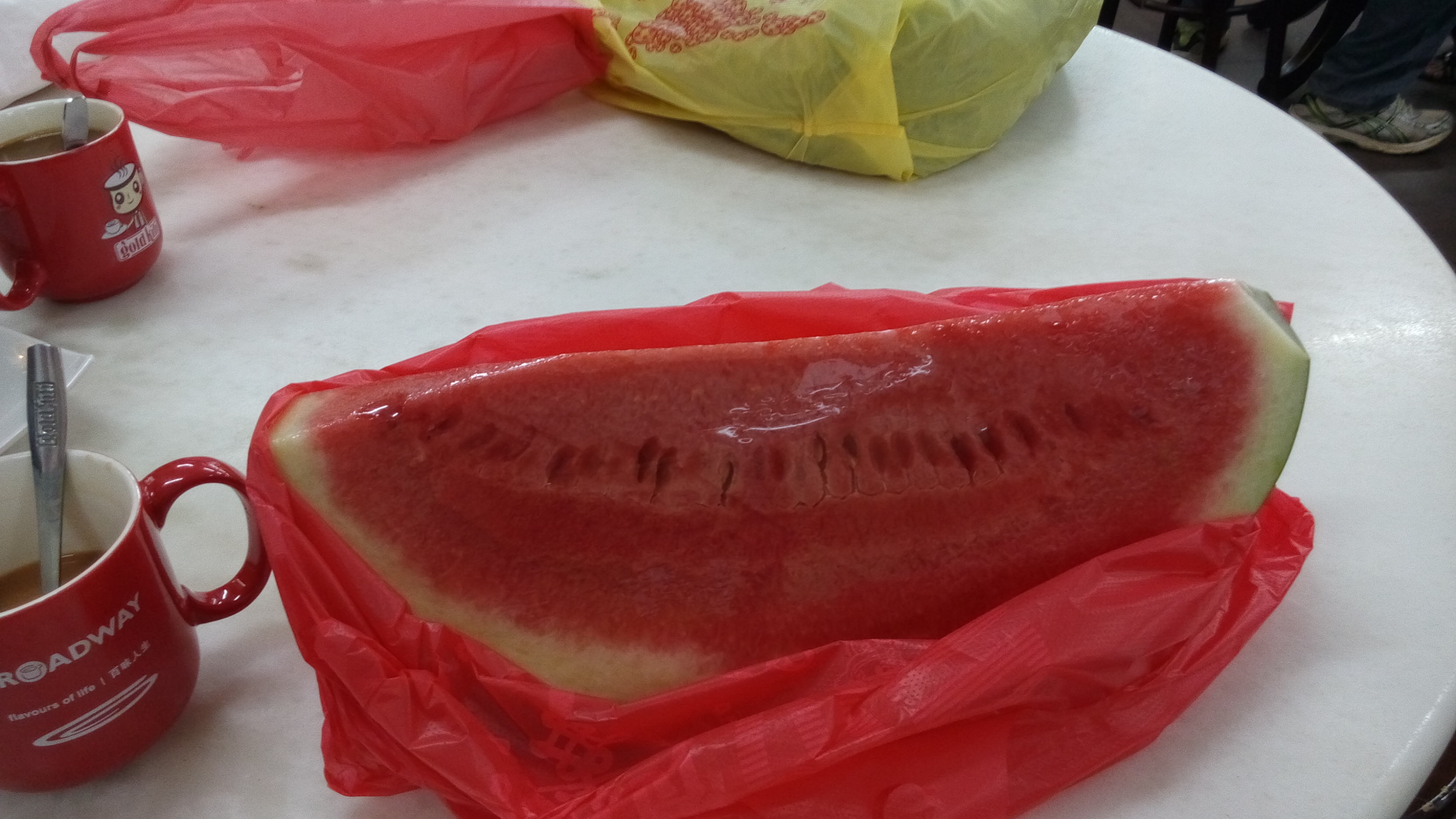
On 17 May 2026, in the middle of the summer fruit season, the lifestyle section of the Bangladeshi news site Jagonews24 published a guide to the rules that should be followed when cut watermelon is kept in a refrigerator. The report, which named the US health information website Verywell Health as its source, pointed out that a large watermelon is often not eaten at one sitting, so the rest is cut and put in the fridge, and that this is where the most common mistakes are made. Its central message was that a refrigerator does not by itself make food safe: cut watermelon that is stored carelessly can grow bacteria, lose its taste and even cause stomach trouble.
This account keeps the report's advice and checks each point against the public bodies that publish food safety guidance on fresh produce: the US Food and Drug Administration (FDA), the US Department of Agriculture and its Food Safety and Inspection Service (FSIS), and the World Health Organization (WHO). Where those bodies give a time limit or a temperature, it is given here exactly as they state it. Anyone who falls ill after eating any food should see a doctor.
What the report advised
The report began by explaining why cut watermelon spoils quickly. Watermelon holds a great deal of water, it said, and that moist flesh is a favourable setting for bacteria. Germs spread fast when cut fruit is left out for long, especially in hot weather. Once the fruit is opened, the report said, its flesh can easily be contaminated through the air, through hands or through an unclean knife. A piece left uncovered in the fridge can also take on the smells of other foods, which spoils its taste and quality.
It then set out four rules for storing cut watermelon:
- Wash the watermelon well before cutting it. Many people skip this because the rind is not eaten, but soil, dust or germs on the outside can be carried into the flesh by the knife.
- Use a clean knife and a clean cutting board. A dirty knife, or a board used for raw fish or meat, raises the risk of spreading germs, so separate, clean tools are better for fruit.
- Never put cut watermelon in the fridge uncovered. Open pieces dry out and are easily contaminated; keep them in an airtight box or a well-covered container.
- Put it in the fridge quickly. Cut watermelon should not be left at room temperature for long: after more than two hours outside bacteria can grow, and on hot days the safe period is shorter still.
The report said cut watermelon should not be kept in the fridge for more than three to four days, and that a piece with an unusual smell, a slimy feel or a change of colour is better not eaten. It listed four mistakes to avoid: taking the cut fruit out of the fridge and putting it back again and again; keeping it uncovered beside other raw food; handling it repeatedly with dirty hands; and freezing it hard, which it said can spoil the taste. It added that stale or contaminated fruit carries more risk for children, older people and anyone with weak immunity, and that fresh fruit is the better choice for them than cut fruit that has been kept for a long time.
Why food safety rules treat cut melon as a risky food
The report's concern is shared by the FDA. Its Food Code, the model set of food safety provisions for shops, restaurants and other food businesses that the agency published in its 2022 edition and that local, state and federal authorities in the United States can adopt, lists cut melons among the foods that need "time/temperature control for safety", known as TCS foods. The code defines these as foods that need control of time and temperature to limit the growth of disease-causing microorganisms or the formation of toxins. In the same category it places cut leafy greens, cut tomatoes and raw seed sprouts.
An explanatory annex of the Food Code says why a fruit that is harmless while whole becomes a concern once it is cut. Cut melons, cut tomatoes and cut leafy greens, it says, are examples "where intrinsic factors are unable to control bacterial growth once pathogens are exposed to the cellular fluids and nutrients after cutting". The annex adds that after cutting, produce such as melons should be kept under refrigeration "to prevent any pathogens that may be present from multiplying". The code's cold-holding rule for TCS foods is 5°C (41°F) or below.
Watermelon's make-up explains the report's point about moisture. According to the US Department of Agriculture's FoodData Central database, 100 grams of raw watermelon contains 91.45 grams of water, 7.55 grams of carbohydrate, 0.61 grams of protein, 0.15 grams of fat and 0.4 grams of dietary fibre, and supplies 30 kilocalories. The same 100 grams contains 112 milligrams of potassium, 8.1 milligrams of vitamin C and 4,532 micrograms of lycopene.
Cold slows bacteria but does not stop all of them. The WHO's Five Keys to Safer Food Manual, published in 2006, marks as true the statement that "refrigerating food only slows bacterial growth". The WHO's food safety fact sheet of 4 October 2024 adds that Listeria, a bacterium whose infections are among the most serious foodborne illnesses, is found in various ready-to-eat foods and "can grow at refrigeration temperatures". That is why the length of time a cut fruit spends in the fridge matters as well as the temperature.
Washing and cutting: the FDA's advice
The report's first two rules, washing the fruit and using clean tools, match the FDA's consumer guidance "Selecting and Serving Produce Safely", whose content was current as of 5 March 2024. The agency's advice for preparing fresh produce is:
- Begin with clean hands: wash them for at least 20 seconds with soap and warm water before and after preparation.
- Cut away any damaged or bruised areas before preparing or eating, and throw away produce that looks rotten.
- Wash all produce thoroughly under running water before preparing or eating it. Even if the skin is not going to be eaten, it is still important to wash produce first, so that dirt and bacteria are not transferred from the surface when it is peeled or cut.
- Do not wash fruits and vegetables with soap, detergent or a commercial produce wash; the FDA does not recommend it.
- Scrub firm produce, such as melons and cucumbers, with a clean produce brush.
- After washing, dry the produce with a clean cloth towel or paper towel to further reduce bacteria that may be present on the surface.
On keeping fruit apart from other foods, the FDA advises keeping produce that will be eaten raw away from raw meat, poultry and seafood and from the utensils used for them; washing cutting boards, utensils and counters with soap and hot water between tasks; and using a separate cutting board for produce where possible. The agency also cautions that washing reduces bacteria but does not eliminate them.
The WHO makes the same case in the first of its five keys to safer food, "keep clean". Most microorganisms do not cause disease, its manual says, but dangerous ones are widely found in soil, water, animals and people, and they are carried on hands, wiping cloths and utensils, "especially cutting boards", from which the slightest contact can transfer them to food. The manual tells people to wash their hands before handling food and often during its preparation, to wash and sanitise all surfaces and equipment used, and to protect kitchen areas and food from insects, pests and other animals. The other four keys are to separate raw and cooked food, to cook thoroughly, to keep food at safe temperatures and to use safe water and raw materials.
Two hours at room temperature, then the fridge
The report's warning about leaving cut fruit out for more than two hours, and less on a hot day, is the rule FSIS gives for perishable food. In its guidance on leftovers, the agency says that bacteria grow rapidly between 40°F and 140°F, the range it calls the "Danger Zone", and that all perishable foods left at room temperature for more than two hours should be thrown away, or after one hour if the temperature is above 90°F, as at an outdoor picnic in summer. Cold perishable food, FSIS says, should be kept at 40°F or below.
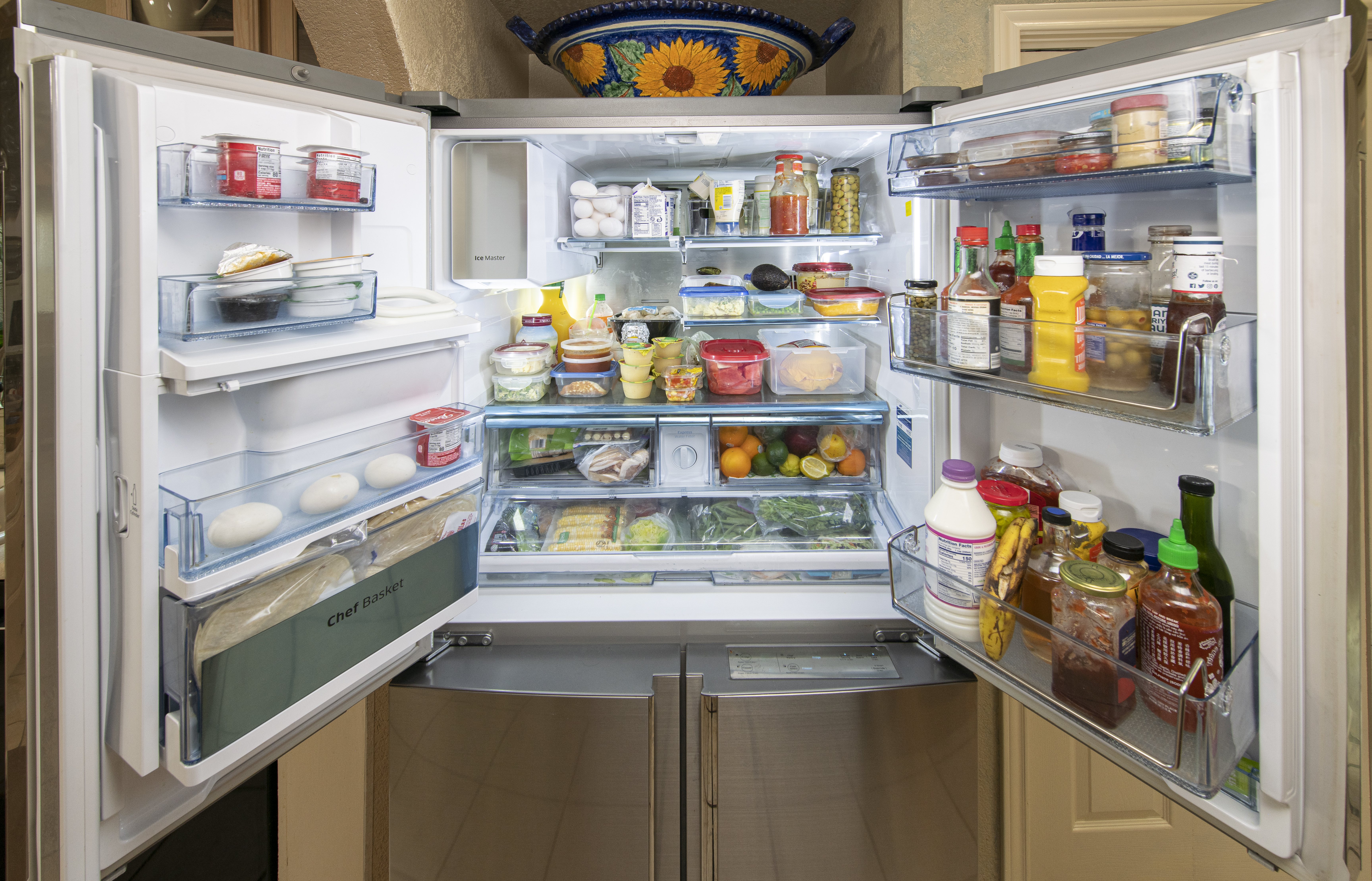
The FDA's produce guidance sets the same refrigerator temperature. It advises storing perishable fresh fruits and vegetables in a clean refrigerator at 40°F or below, checking the temperature with a refrigerator thermometer, and refrigerating all produce that is bought pre-cut or packaged.
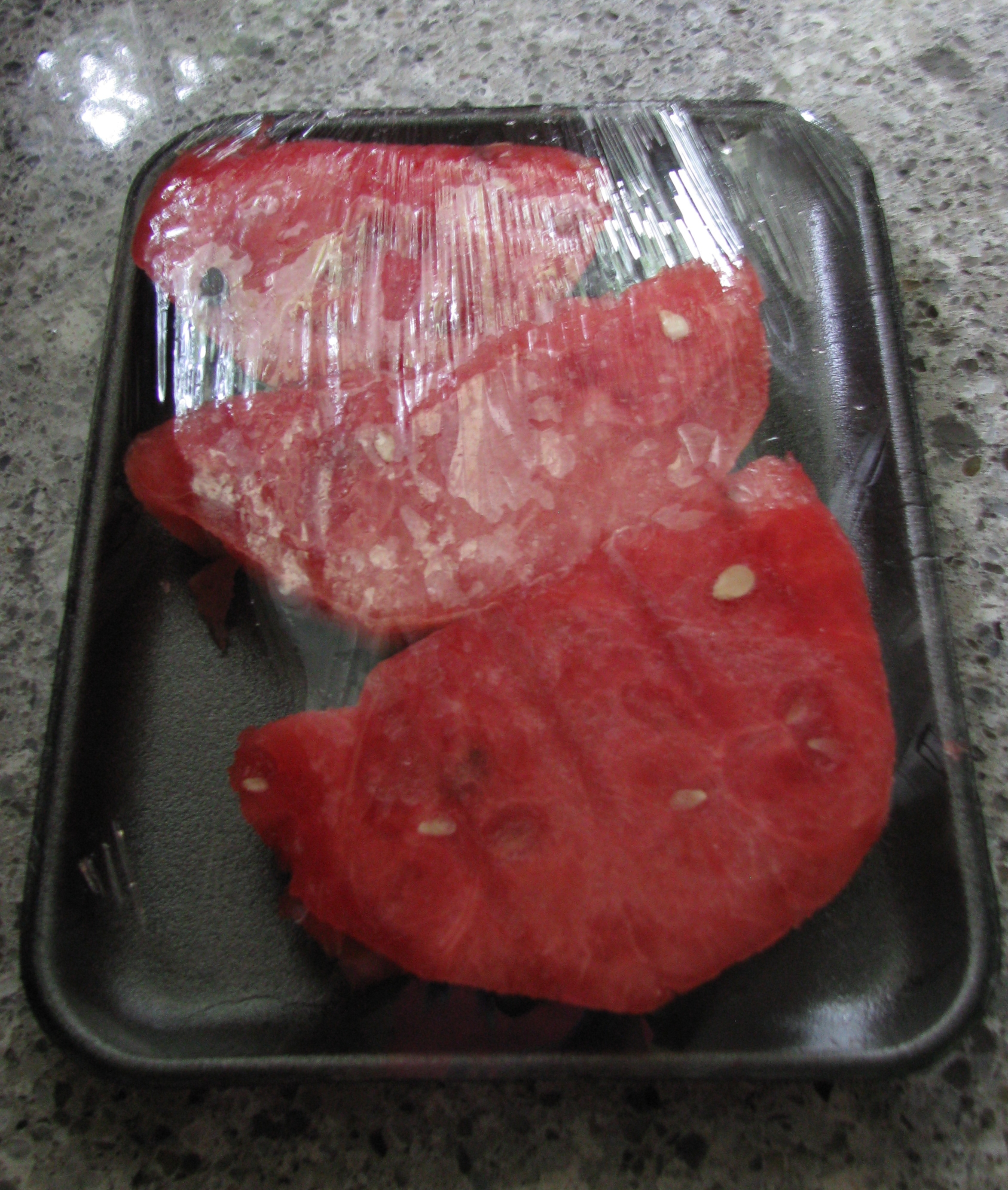
The report's third rule, covering the fruit, also has support in FSIS guidance. For leftovers, the agency advises covering them, wrapping them in airtight packaging or sealing them in storage containers, because these practices help keep bacteria out, retain moisture and stop the food from picking up odours from other food in the refrigerator. Those are the three problems the report described with uncovered watermelon: contamination, drying out and absorbed smells. FSIS adds that wrapped food should be refrigerated or frozen immediately so that it cools rapidly.
How long cut watermelon keeps
The report's limit of three to four days in the fridge matches the storage data that the US Department of Agriculture publishes in its FoodKeeper database. In the FoodKeeper data published by FSIS, as archived in July 2025, the entry for watermelon gives three to four days in the refrigerator, counted from the date of purchase, one to two days in the pantry or until ripe, and 12 months in the freezer. The database's general entry for melons gives a whole melon until ripe and then seven days at room temperature, and two to four days in the refrigerator once it has been opened; for frozen melon it gives one month and notes that this applies to balled melon.
The FDA's advice to throw away produce that looks rotten covers the warning signs the report listed: an unusual smell, a slimy surface or a change in colour.
On freezing, the report warned that hard freezing can spoil the taste of watermelon. The FoodKeeper figures show that frozen watermelon can be kept, and FSIS notes in its leftovers guidance that although frozen food is safe indefinitely, it can lose moisture and flavour when stored for a long time in the freezer. Freezing, in other words, is a question of quality rather than safety.
Who is most at risk, and when to see a doctor
The report's extra caution for children, older people and those with weak immunity is shared by the health agencies. The FDA says children, older adults, pregnant women and people with weakened immune systems are more vulnerable to foodborne illness. It notes that symptoms usually appear one to three days after eating contaminated food but can occur anywhere from 20 minutes to six weeks later, and it advises contacting a health care provider right away if foodborne illness is suspected.
The WHO manual describes stomach pains, vomiting and diarrhoea as the most common symptoms of foodborne disease, appearing for most such diseases 24 to 72 hours after the food is eaten. For infants, the sick, pregnant women and the elderly, it says, the consequences are usually more severe and more often fatal. It advises drinking plenty of fluids to maintain hydration during diarrhoea, seeking medical advice when bowel movements are very frequent, very watery, contain blood or last beyond three days, and seeking medical advice immediately when symptoms are severe. It also asks people not to handle or prepare food while they are sick and for 48 hours after their symptoms stop.
The scale of the problem is large. The WHO's fact sheet of October 2024 estimated that almost one in ten people in the world, about 600 million, fall ill after eating contaminated food every year and that 420,000 die. Children under five carry 40 per cent of the foodborne disease burden, with 125,000 deaths every year. The fact sheet notes that enterohaemorrhagic Escherichia coli is often associated with unpasteurised milk, undercooked meat and contaminated fresh fruits and vegetables, and that Salmonella, Campylobacter and this E. coli are among the most common foodborne pathogens, with symptoms that can include fever, headache, nausea, vomiting, abdominal pain and diarrhoea.
When pre-cut melon caused an outbreak
The risk the Food Code describes has been seen in practice. On 12 June 2018 the FDA announced that it was working with the US Centers for Disease Control and Prevention (CDC) and state and local officials to investigate an outbreak of Salmonella Adelaide infections linked to pre-cut melon. According to the CDC figures the FDA cited, 60 people had fallen ill between 30 April and 30 May 2018 and 31 had been admitted to hospital, with no deaths reported. The illnesses were in Michigan (32), Indiana (11), Missouri (10), Illinois (6) and Ohio (1).
The products named were pre-cut watermelon, honeydew and cantaloupe, and fruit salads or fresh-cut fruit medleys containing these melons, made at one food company's facility in Indianapolis, Indiana, and packed in clear plastic clamshell containers. The company recalled them. The FDA told consumers not to eat the products, to throw them away or return them to the shop for a refund, and to consult a health care professional if they believed they had a Salmonella infection. When the agency posted its notice, the investigation into how the fruit became contaminated was still under way. The case is a reminder that contamination can start before a fruit reaches the home, which is why the cold and clean handling the report describes matters at every step.
Watermelon in Bangladesh and the 2026 season
Watermelon, Citrullus lanatus, belongs to the gourd family, Cucurbitaceae. Its fruit is a kind of berry known as a pepo, with a thick rind and a fleshy centre, and its red or pink flesh holds many seeds. The modern watermelon is thought to have been domesticated in northeast Africa.
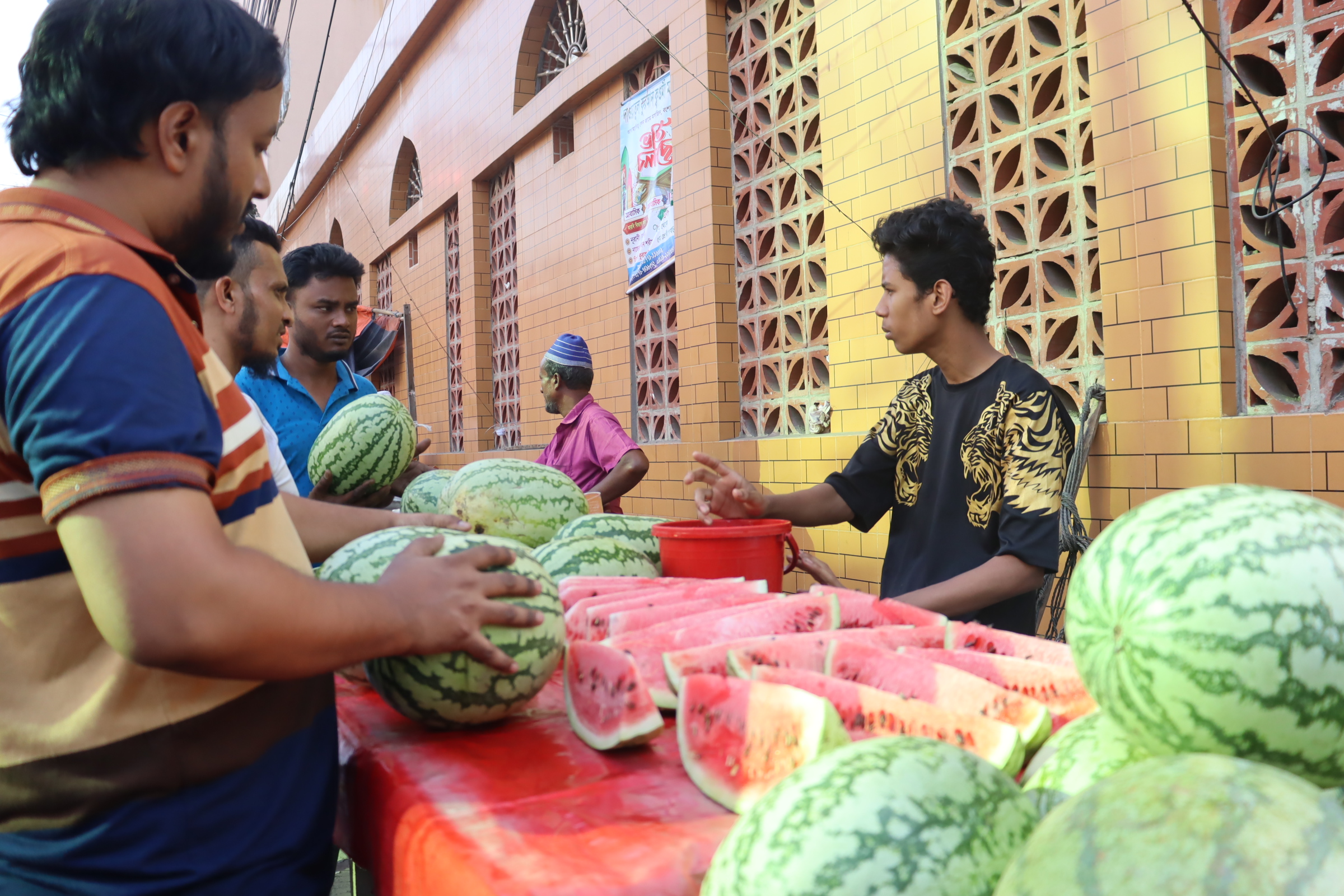
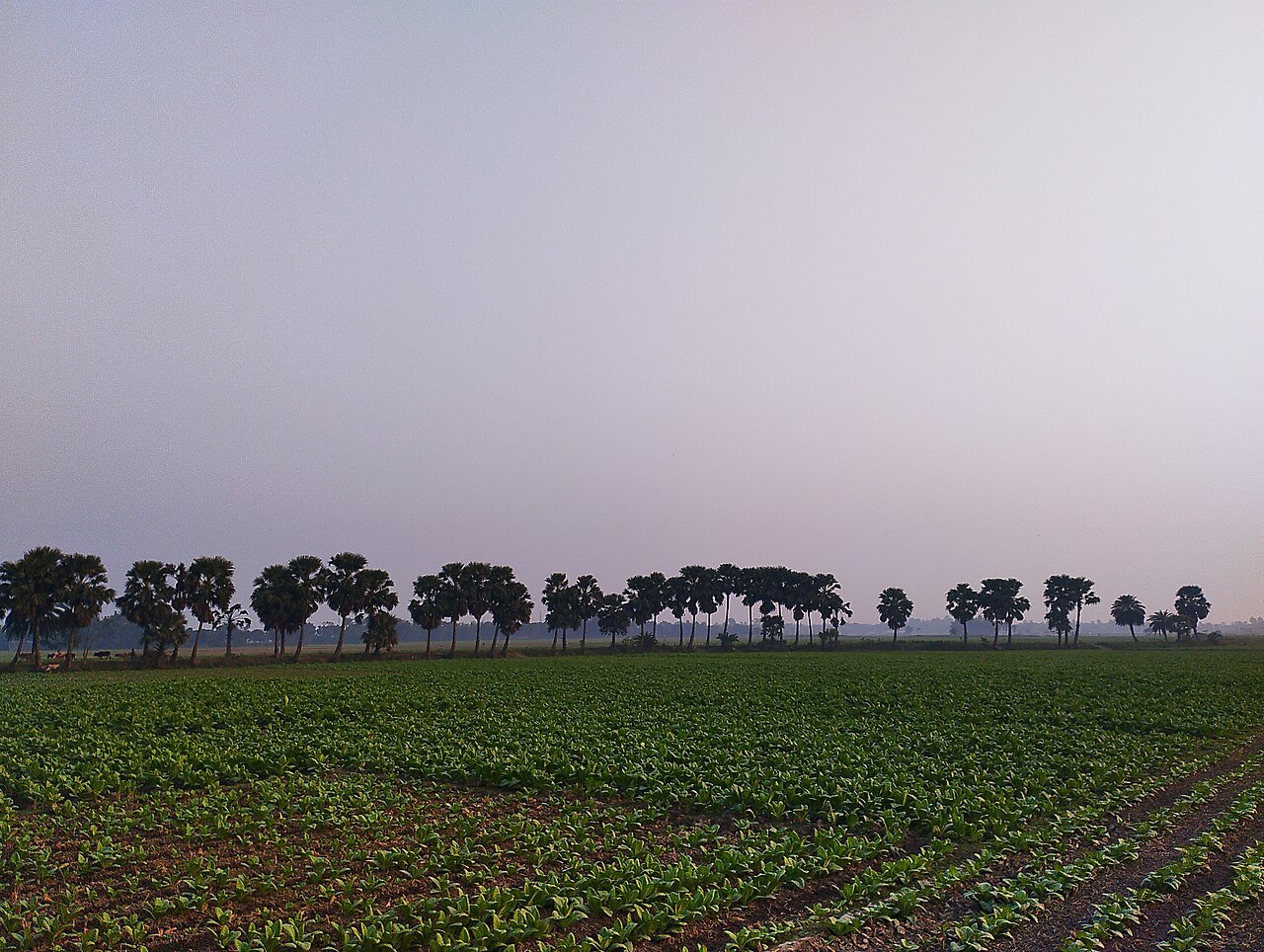
In Bangladesh it is grown above all in the southern coastal districts. The Business Standard reported on 29 February 2024, citing the Department of Agricultural Extension (DAE), that the country produced a record 25.47 lakh tonnes of watermelon in the 2021-22 fiscal year. Patuakhali was the leading district with 9.63 lakh tonnes, 37.8 per cent of the national output, followed by Khulna with 5.59 lakh tonnes (22 per cent), Bhola with 5.13 lakh tonnes (20.2 per cent), Noakhali with 1.60 lakh tonnes (6.3 per cent) and Barguna with 0.78 lakh tonnes (3.1 per cent). A DAE regional official in Barishal told the paper that cultivation takes about four months from land preparation to the end of the season.

The 2026 season, which was ending when the Jagonews24 report appeared, had been large. The Daily Star reported on 6 April 2026 that the DAE in Barishal had set a target of 62,687 hectares and that farmers had planted 70,662 hectares, about 113 per cent of the target, with output expected to exceed 2.8 million tonnes against about 2.1 million the year before; the region supplies about 75 per cent of the national crop. Patuakhali alone had about 35,000 hectares under watermelon, while in Khulna the area fell from 17,291 to 12,930 hectares. The paper found farmers selling medium to large melons for Tk 50 to 90 each while retail prices ranged from Tk 100 to 500. A DAE additional director in Barishal said farmers were not getting the prices they had expected and that some were leaving fruit unharvested, and traders said demand had fallen after Ramadan.
Bangladesh's food safety authority
In Bangladesh, food safety is the responsibility of the Bangladesh Food Safety Authority (BFSA), which was formed in February 2015 under the Safe Food Act 2013 and works under the Ministry of Food. On its website, in a page last updated on 6 October 2024, the authority describes its main duty as ensuring the right to safe food through the proper practice of scientific methods, by regulating and monitoring the production, import, processing, storage, supply and sale of food and by coordinating the work of all the bodies involved in safe food management.
Among the tasks the same page lists are identifying health risks that arise from eating food, identifying the spread of biological hazards, sending messages about the health and nutrition risks of foods to the government and to the public, training people who work in food businesses, and creating public awareness of the quality of safe food.
Photo: Ronggy / Wikimedia Commons (public domain)
Sources: Jagonews24, US Food and Drug Administration (Selecting and Serving Produce Safely; Food Code 2022; outbreak notice of 12 June 2018), USDA Food Safety and Inspection Service (Leftovers and Food Safety; FoodKeeper data), USDA FoodData Central, World Health Organization (Five Keys to Safer Food Manual; food safety fact sheet), Bangladesh Food Safety Authority, The Business Standard, The Daily Star, Wikipedia
Comments
(0)