
Soap, face wash, shampoo, toothpaste and even drinks made from cow dung and cow urine were being sold in India through the largest online retailers, Amazon, Flipkart and eBay. The Hong Kong daily South China Morning Post described the trade on 1 January 2020 in a report headlined "Would you use a cow dung face wash? They do in India", which the Kolkata daily Ei Samay carried for its readers. One of the businesses it profiled, Cowpathy of Mumbai, had an annual turnover of 25 million rupees.
What Cowpathy makes
According to the South China Morning Post, Cowpathy was founded by Umesh Soni, a 36-year-old microbiologist in Mumbai, who began making cow dung soaps in 2012 and uses dung only from indigenous cattle. Soni said the dung is collected by hand and heat-processed in his factory to prevent the growth of bacteria.
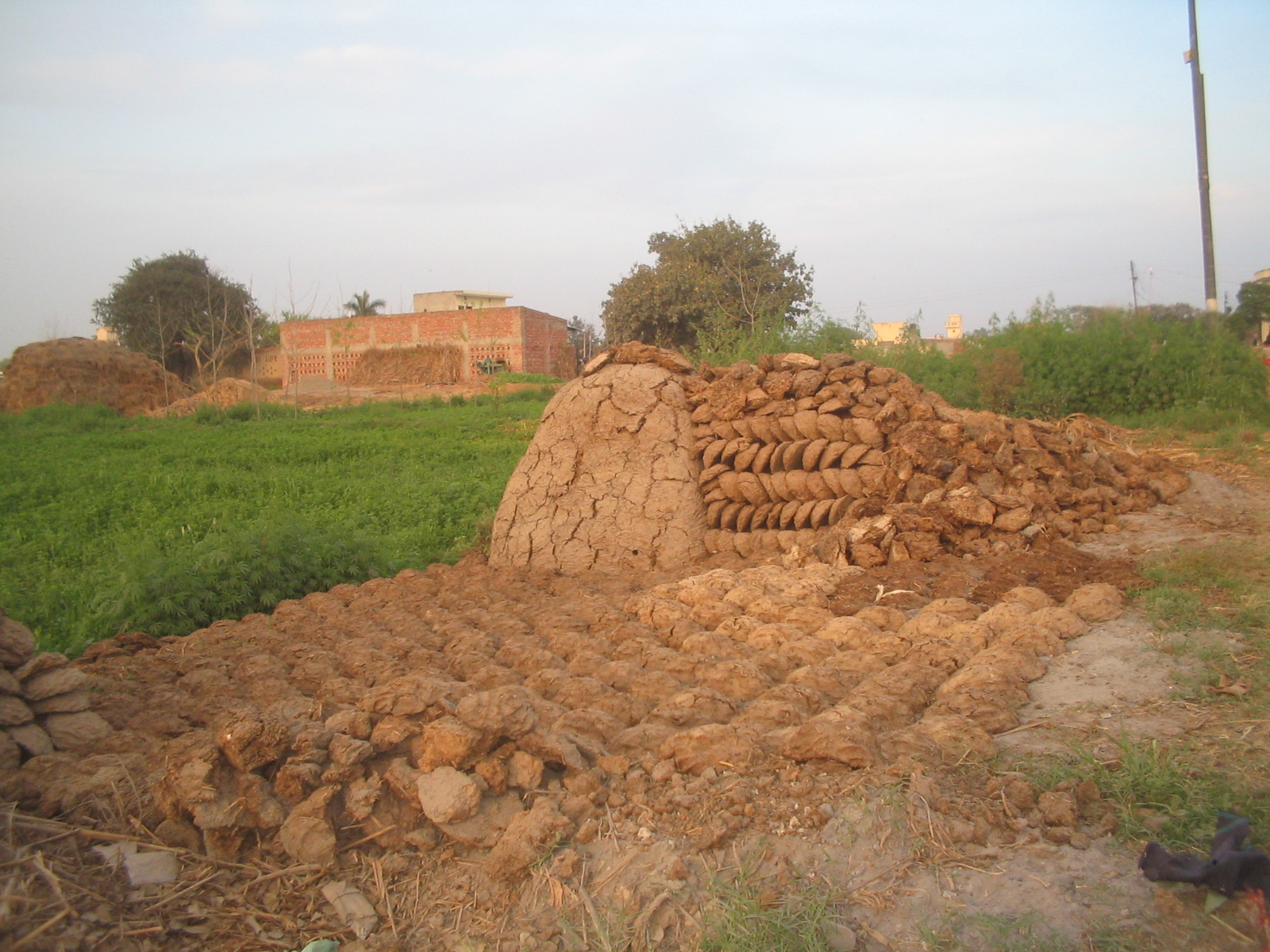
The company's range included a talcum powder substitute made of dung and the ash of burnt cow pats; a toothpaste of dung, urine distillate and stevia, a plant-based sweetener; an under-eye gel of distilled urine; and shaving and shower creams. Its best seller was a soap made with panchagavya, a combination of milk, yogurt, ghee, dung and urine. Soni said that in the early years he gave away half his stock as gifts before sales picked up. He then supplied 400 wholesalers across India and exported to 14 countries. He had recently added non-caffeinated drinks: liquid teas of herbs and distilled cow urine, and a mix of herbs roasted over dried cow dung that, he insisted, tastes exactly like coffee.
Other ventures and government support
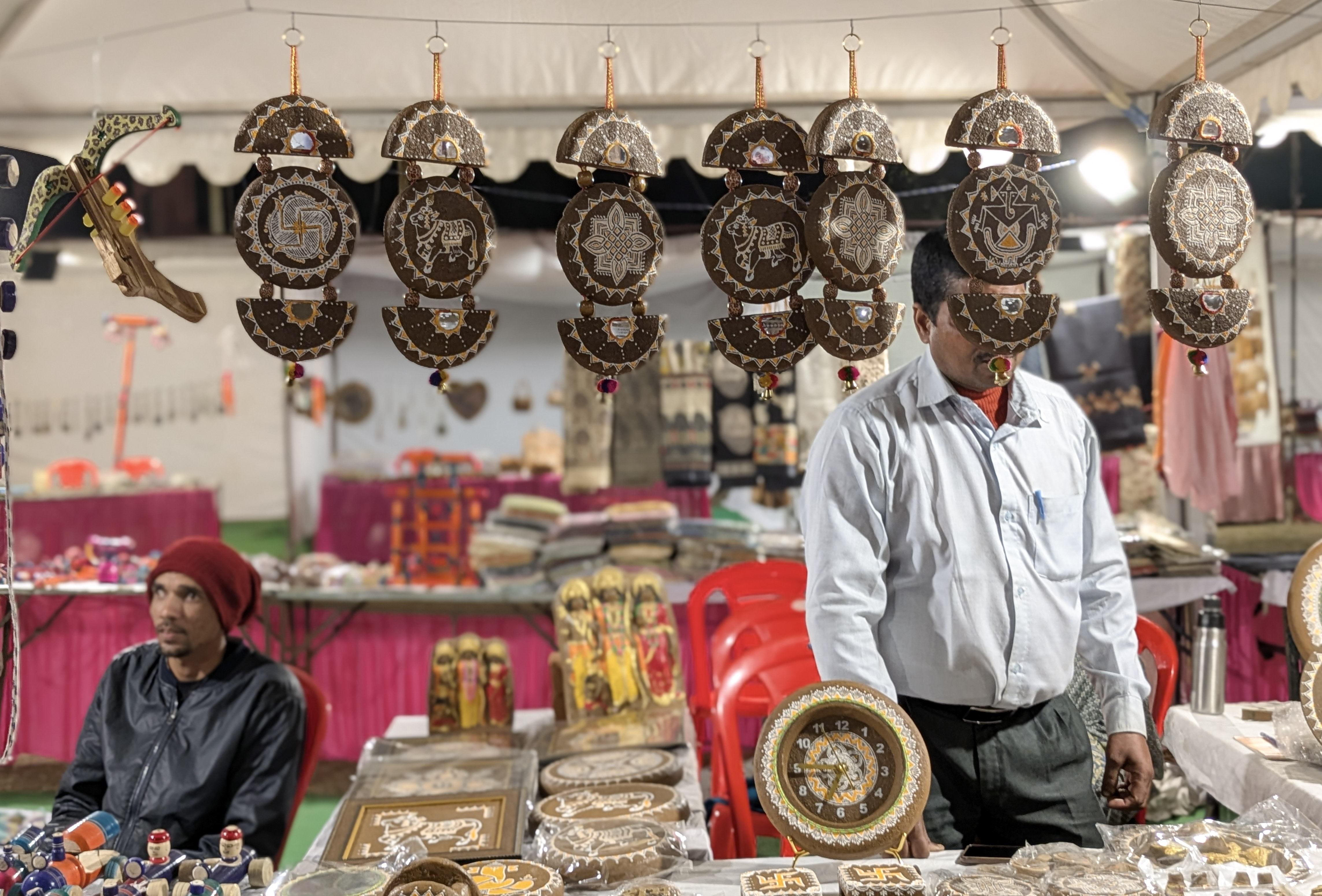
The same report described Ganeshan Palsamy, a 49-year-old craftsman in Madurai, Tamil Nadu, who makes more than 100 kinds of handicrafts from the dung and urine of his two cows. In Mumbai, Rajas Paranjpe and his wife Gautami started Bodhishop in August 2018, selling bio-fertilisers, sunscreens, face washes and soaps based on cow dung and urine.
The South China Morning Post reported that the government awards subsidies worth up to 60 per cent of the initial investment to commercial organisations using products derived from cows, though not their meat or hides. The Rashtriya Kamdhenu Aayog, an advisory body on cow protection policy, was set up in February 2019. In September 2019 Scroll.in, citing The Times of India, reported its chairman Vallabhbhai Kathiria as saying that startups commercialising cow dung and urine could get up to 60 per cent of their initial funds from the government, which he said would encourage people not to abandon cows that no longer give milk.
Health claims and the science
The health benefits attached to these products are their makers' own claims. Palsamy says the dung of his cows is antiseptic. In an October 2018 report on Cowpathy, the US broadcaster NPR quoted Soni as saying that "Cow dung is known to cure many skin ailments from eczema to gangrene", and noted the belief that panchagavya cures diseases including cancer and diabetes. NPR stated plainly that there is no scientific evidence to support any of these claims. "We are looking backward rather than looking forward," Vineeta Bal, a Pune-based immunologist, told NPR. Anyone with a skin condition or other illness should see a doctor rather than rely on such products.
A background of violence over cows
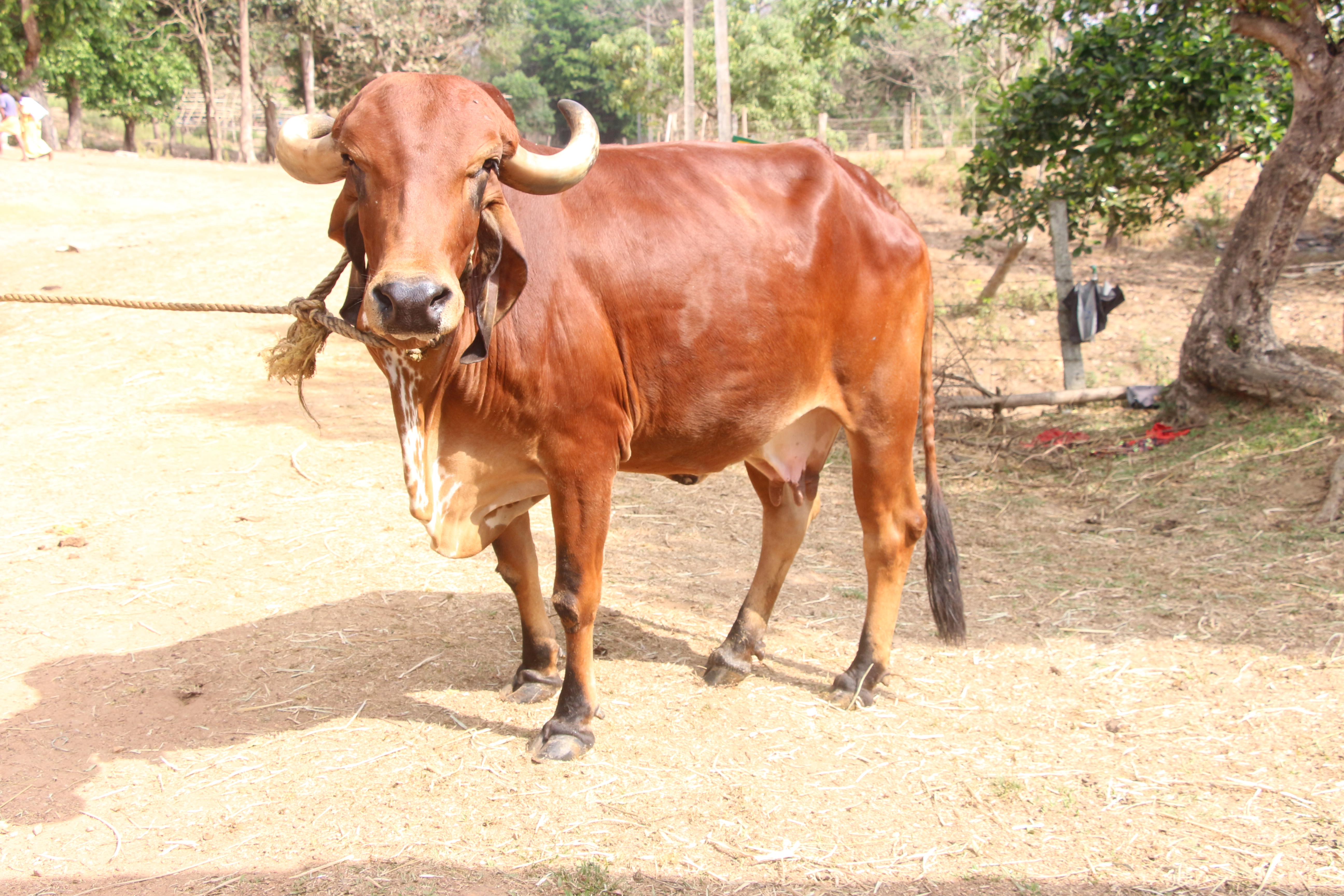
The South China Morning Post noted that the cow's status in India had become increasingly politicised. Cows are held sacred in Hinduism.
Photo: WarmaFiesta / Wikimedia Commons (CC BY-SA 4.0)
Sources: Ei Samay, South China Morning Post, NPR, Scroll.in


Comments
(0)