
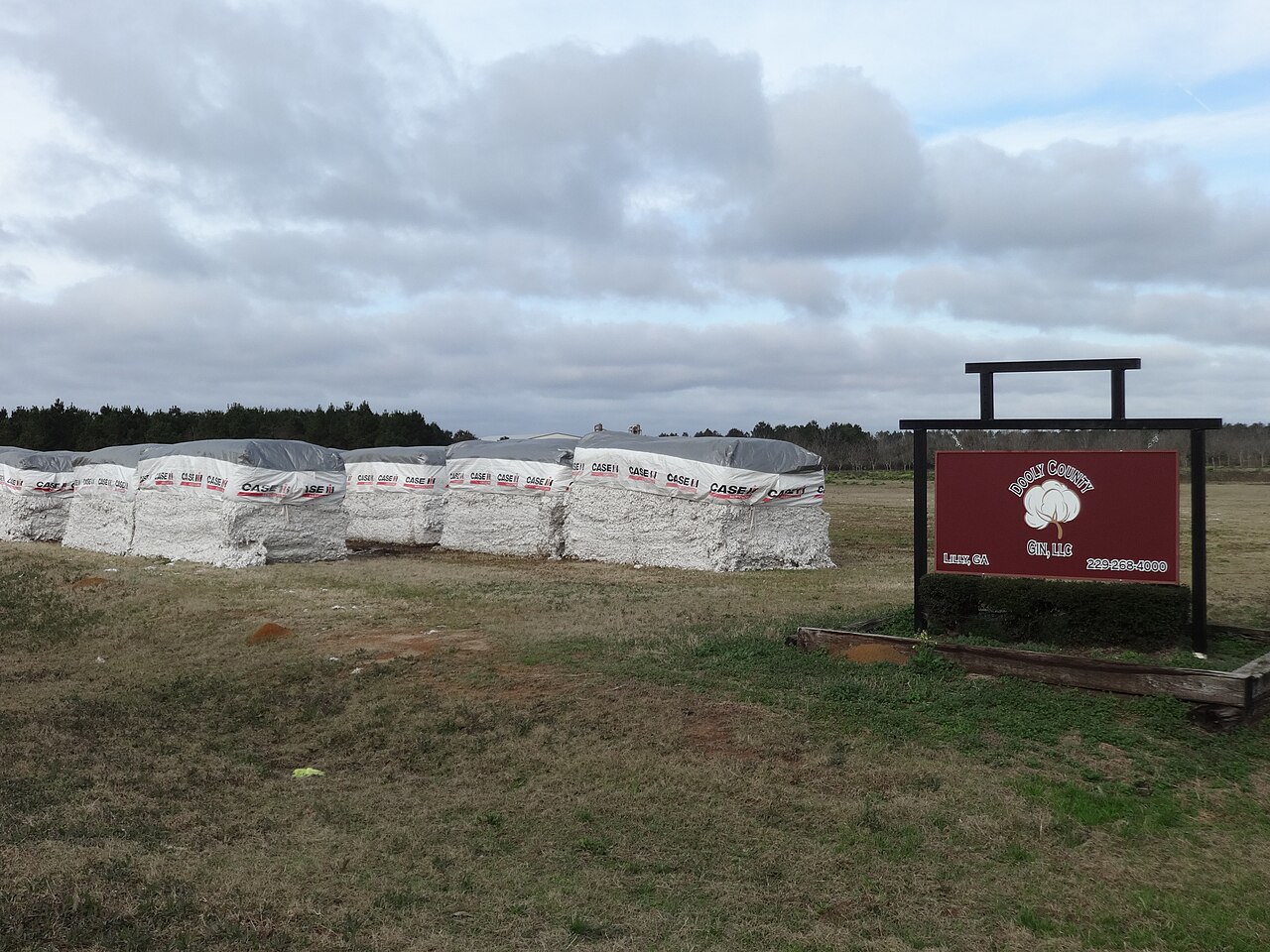
Tracing cotton through the supply chain gets harder the closer one gets to the field, according to a study released this month by the research collective Cotton Diaries. The authors argue that brands will only meet their environmental and social goals if they close that gap, rather than simply documenting it.
The report is the fourth instalment of WhoMadeMyCotton, a five-year study of the denim supply chain led by two textile industry veterans, Ani Wells and Anne Oudard.
Oudard said a pair of jeans can rarely be traced back to a single farmer, because in most parts of the world cotton is grown communally. Cooperatives, input suppliers, traders, lenders and local organisations all stand between the grower and the fabric. "You cannot have this direct link," she told AgFunderNews. Five years ago, she added, it was still unusual for a buyer even to ask where cotton came from.
She argues that traceability has to be more than a compliance exercise or a farmer's portrait in a sustainability report. Field information warns a buyer of trouble before it arrives. Her example is Turkey, where cotton production has fallen by as much as 40 percent by some estimates and some farmers are thinking of not planting it at all, which could affect world supply and prices. One of those doubtful growers is a pioneer of regenerative cotton, and Oudard said keeping that cotton in her garments meant making sure he had the money to farm the next season.
The report sees the biggest opening at the gin, where seed cotton is turned into fibre that can be spun into yarn. Gins buy, process and sell cotton and sit between farming and textiles, yet many in fashion do not know the step exists, Oudard said. Depending on the region, a gin's records can show who delivered the cotton, the farmers' identities, where it was grown, the volumes, its quality and the transactions. Passing that origin data along with the fibre could, the report says, cut today's fragmented and costly tracing and strengthen due diligence.
Data is not the end goal, the authors add. It has to be paired with long-term relationships with farmers, cooperatives, ginners and local partners, an approach Oudard calls "relational traceability". A transactional system only shows where cotton moved, she said; knowing the people and the conditions behind those movements is what builds a resilient supply chain. She also warned against reducing farmers' names to marketing.
Photo: Michael Rivera / Wikimedia Commons (CC BY-SA 4.0)
Reporting by Jennifer Marston, AgFunderNews.
Source: AgFunderNews

Comments
(0)