
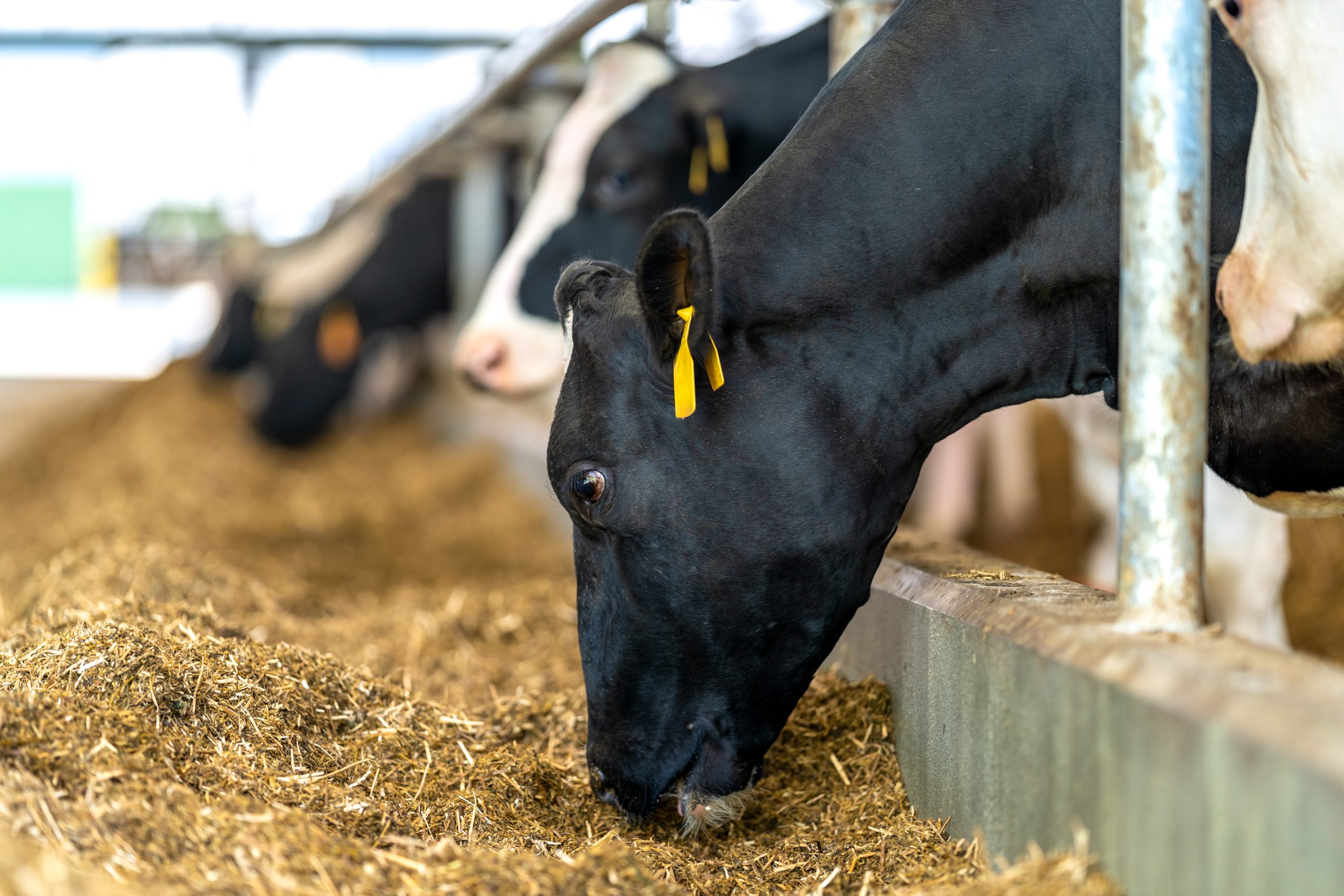
Corn fodder can be left in the field, baled or grazed, and each choice has a price, write Heidi Reed, an agronomy educator, and Tara Felix, a beef specialist, both with Penn State Cooperative Extension, in Farm Progress.
Left on the surface, stalks and leaves easily give 90% to 95% soil cover and add roughness, both of which cut soil loss according to RUSLE2, the tool the Natural Resources Conservation Service uses to estimate erosion. Baling or grazing removes 25% to 80% of that cover depending on method, leaving sloping ground particularly exposed.
That protection has a value. A 2012 Iowa State University Extension fact sheet put the cost of erosion at more than $20 an acre a year in today's money, counting lost nutrients that must be replaced with fertiliser, lower yields as topsoil moves and poorer subsoil takes its place, lost land value, damage to roads and property, and impaired water bodies.
The residue also carries nutrients that return to the next crop as it breaks down. Fodder dry matter is roughly equal to grain yield, so a 150-bushel corn crop leaves about 3.5 tons of dry fodder; using Michigan State University Extension's figures for nutrient content per dry ton, the authors value those nutrients at $36 a ton.
Removing fodder is not always wrong. It can be an economical feed or bedding source, and residue left in place can harbour pathogens that affect the following crop and slows soil drying and warming in spring. The decision, they say, should weigh those uses against the replacement cost of the nutrients and the soil the stalks hold in place.
Source: Farm Progress

Comments
(0)