
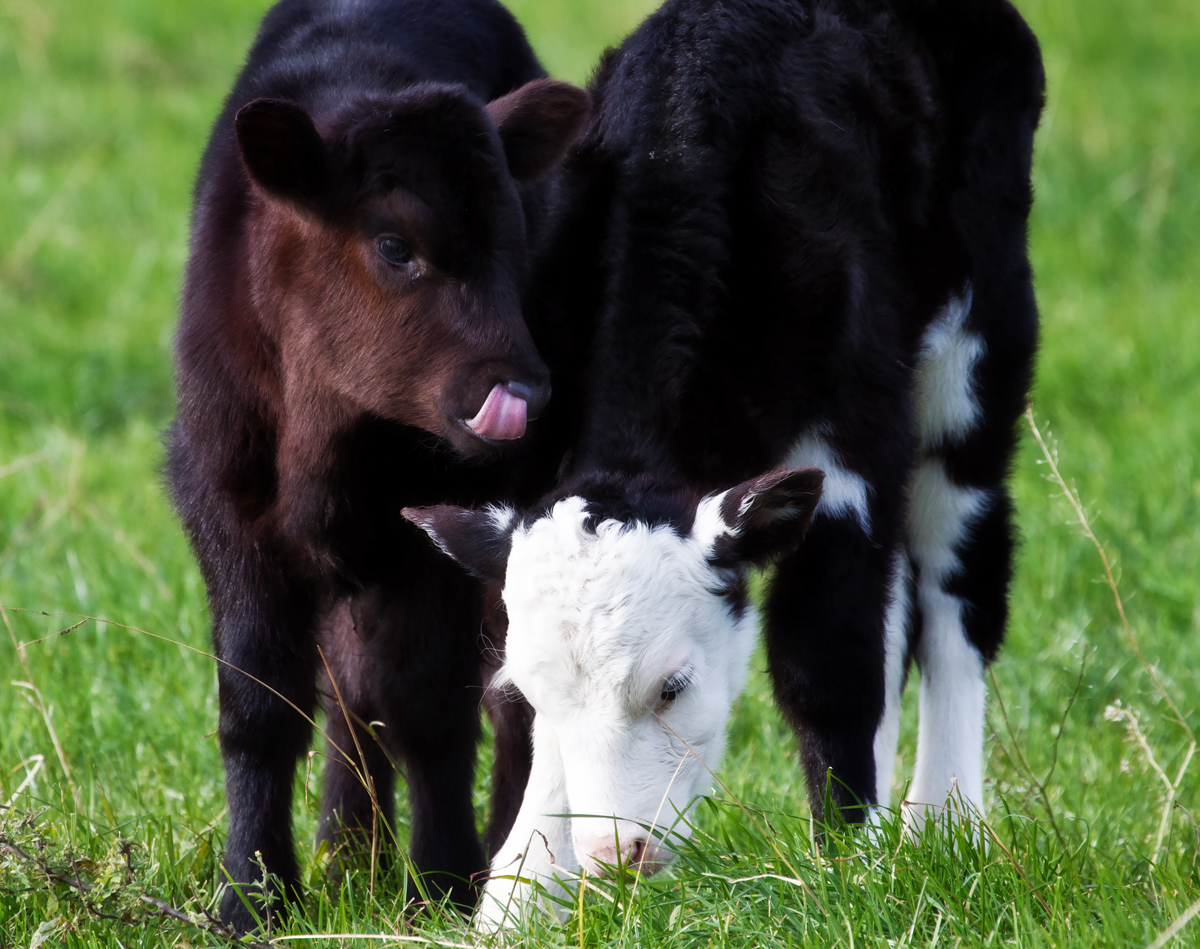
Heat stress in the first two months of a dairy calf's life can hold back its health, growth and later milk yield, and simple shade and airflow go a long way to prevent it, Dr Jimena Laporta of the University of Wisconsin-Madison told the DMC Hollard Conference near Durbanville in South Africa's Western Cape.
Calves tolerate heat better than milking cows and show no drop in production, so the problem is easy to miss. But heat builds up over a hot day: a calf comfortable at 7am may be breathing fast by early afternoon and still carrying the heat at 7pm. In severe cases a calf may take close to 100 breaths a minute.
Those first two months matter, Laporta explained, because the milk-producing tissue of the udder grows about 25-fold in that time, and the ovaries, gut and immune system about sixfold. "Shade is the number-one thing we need to provide," she said, but shade alone does not cool a calf if its hutch or pen traps hot air, so active ventilation comes next, with carefully managed misting where airflow is not enough.
Her group tested several systems. In Florida, a standard 48-inch fan blowing air at about 1.8 m/s across group-housed calves lowered breathing rates and body temperatures; the calves drank more milk, ate more starter and needed fewer treatments, including antibiotics, and later produced more milk in the herd. In the Midwest, small solar-powered fans in hutches, used only for the first four weeks, lowered temperatures, ammonia and bacteria, and more of those calves stayed in the herd through a first lactation.
In Georgia, a fan pushing air through a pipe with outlets at each hutch, plus a mister, cut pneumonia and diarrhoea and helped calves grow faster. "If I were a heifer and had to choose, I would definitely choose a hutch with a fan," Laporta said. The report is by Glenneis Kriel.
Photo: Dave Young / Wikimedia Commons (CC BY 2.0)
Source: Farmers Weekly South Africa

Comments
(0)