
Most consumers accept gene editing in plants, but the jury is still out on its use in animals, University of Saskatchewan agricultural economist Stuart Smyth told a panel at the World Agri-Tech conference in London last week, Farmers Weekly NZ reports.
Smyth said the technology has been used mostly in seeds since 2015 but is now moving into animals. Canadian researchers have gene-edited pigs for resistance to porcine reproductive and respiratory syndrome (PRRS), and lettuce to delay browning by a couple of days. "Farmers want it, because it is a low-cost production, but we don't yet know if consumers want GE pork chops, bacon or ham," he said, adding that acceptance could grow if the technology is used more to address animal welfare.
By contrast, he said, the millions of hectares of gene-edited crops grown across the Americas, Japan and Australia show consumers accept them as safe, and parts of Asia that opposed the technology a decade ago have eased controls because they see it as an answer to food security. Longer shelf life could win favour by cutting food waste, which researchers put at about NZ$2,100 per household a year, and plants edited to sequester 10 percent more carbon could benefit the wider community. "My message is 'Listen to the silent majority,'" he said.
New Zealand and the European Union have both begun relaxing their long-standing restrictions on gene technology, but the panel argued the world must adopt it faster. An Michiels of the agtech consultancy AgKnowledge said faster adoption was needed to confront climate change and food security.
Peter Beetham, co-founder of plant breeder Cibus, said it would soon be possible to edit corn to raise production by 50 percent, but that the more immediate need for growers facing more erratic weather, such as those in Australia, is crops that are more drought tolerant and climate resilient. Smyth said editing has become far more accurate and specific, and that the open question now is the role artificial intelligence will play.
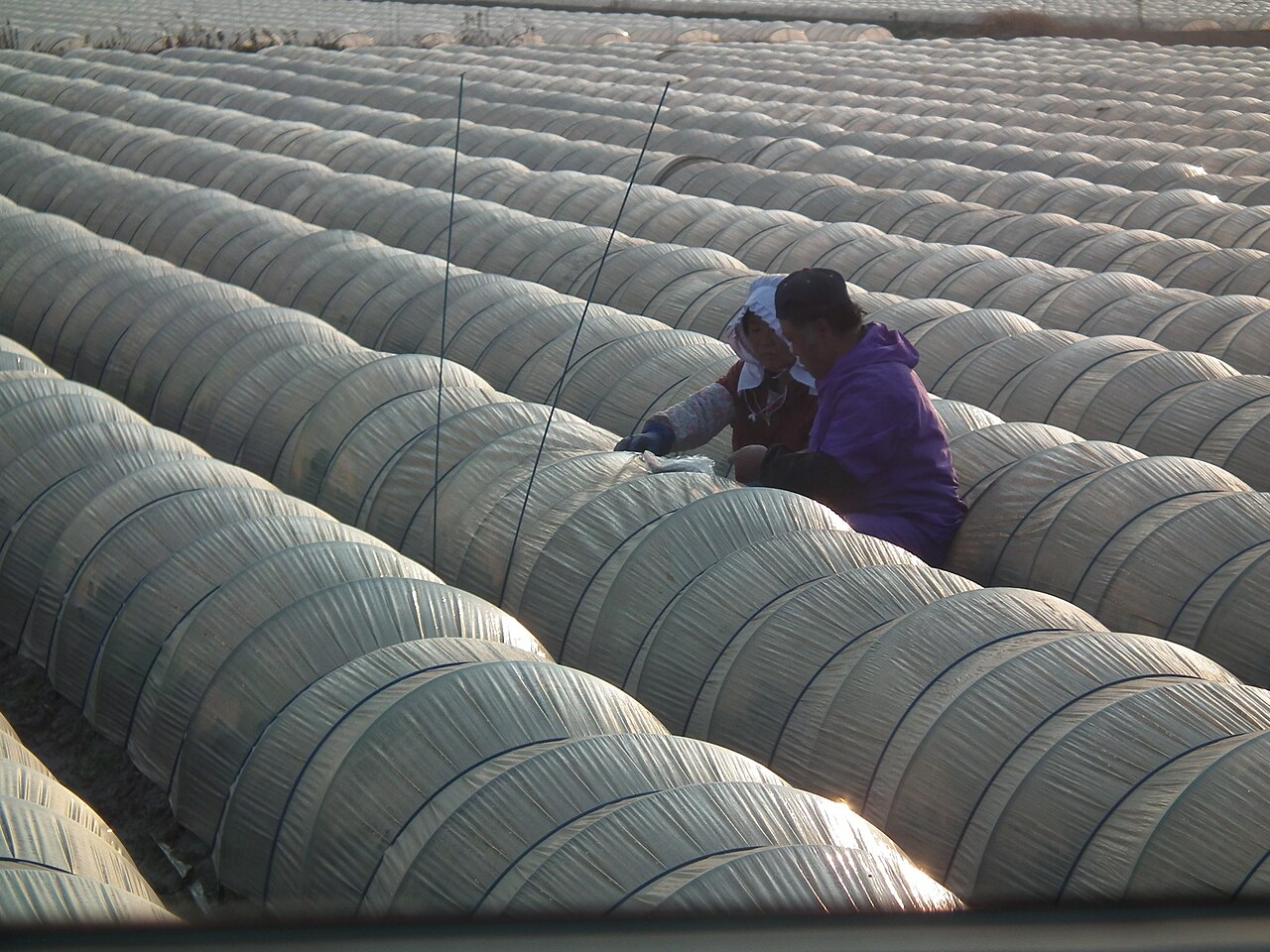
Photo: 松岡明芳 / Wikimedia Commons (CC BY-SA 3.0)
Source: Farmers Weekly NZ

Comments
(0)