
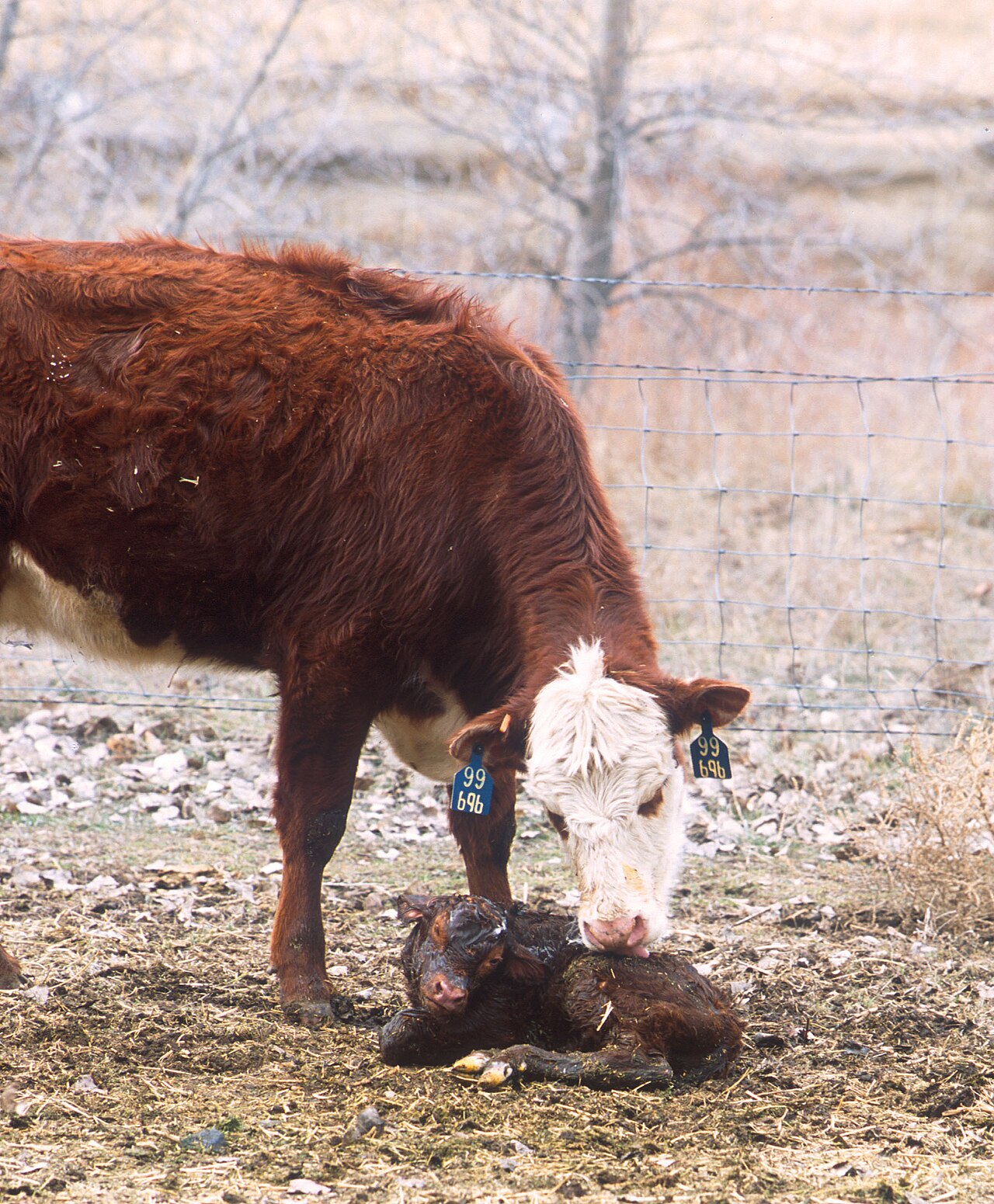
A calf that stands and suckles looks reassuring, but watching it cannot tell a farmer how much colostrum it drank, how rich that colostrum was in antibodies or how well they were absorbed, Wales-based veterinary consultant Dr Ryan Davies told the World Wagyu Conference at Cavalli Estate near Somerset West in the Western Cape. Davies provides technical consulting to the Saskatoon Colostrum Company.
Calves are born without circulating antibodies and depend on colostrum, the cow's first milk, for early protection. It is packed with immunoglobulin G (IgG), carries much more fat than ordinary milk to keep the calf warm and its blood sugar up, and supplies vitamins A, D and E, prebiotics and growth factors for the gut. Absorption of antibodies is highest right after birth and falls fast: the first feed should come within one to two hours, and by about 24 hours the gut has largely closed to them.
Good colostrum starts with the cow. Illness should be treated promptly and the pre-calving diet should meet her needs; heat stress late in pregnancy can lower colostrum quality and the calf's ability to absorb antibodies. Davies advised working with a vet on vaccination before calving where suitable vaccines exist, to raise antibodies in the colostrum against particular diseases.
Quality varies between cows, so Davies recommends testing with a Brix refractometer. By his guideline, a reading of about 21-22% Brix means roughly 50 g of IgG per litre or more, and 28% or higher means about 90-100 g per litre. Two litres at 50 g a litre give 100 g of antibody; the same volume at 100 g a litre gives twice as much. For Wagyu, he recommends at least 24% Brix. Records of the readings also show how well pregnant cows are being fed and managed.
After birth, farmers should check each calf's vigour: how alert it is, how quickly it stands and whether it finds the udder. Calves of heifers, calves born after a long labour, and weak or slow calves need extra attention, even when the farmer did not have to assist the delivery. The report is by Glenneis Kriel.
Photo: Scott Bauer, USDA / Wikimedia Commons (public domain)
Source: Farmers Weekly South Africa

Comments
(0)